The federal records on the investigation into the assassination of American activist Martin Luther King Jr. were published this Monday on the website of the U.S. National Archives. The administration of President Donald Trump called the disclosure of these documents a triumph of transparency.
The decision was made despite the opposition of some relatives of the most prominent leader of the civil rights movement in the United States, shot dead in the city of Memphis (Tennessee) on April 4, 1968.
In a statement, the King family noted that the publication of the files “has been a topic of interest for decades, captivating public curiosity.” However, they emphasized that the records should be analyzed “in their complete historical context,” as Martin Luther “was the subject of a disinformation and invasive, predatory, and deeply disturbing surveillance campaign” led by Edgar Hoover, then director of the FBI.
Distract?
The U.S. National Archives and Records Administration clarified that the disclosure of documents on King’s death
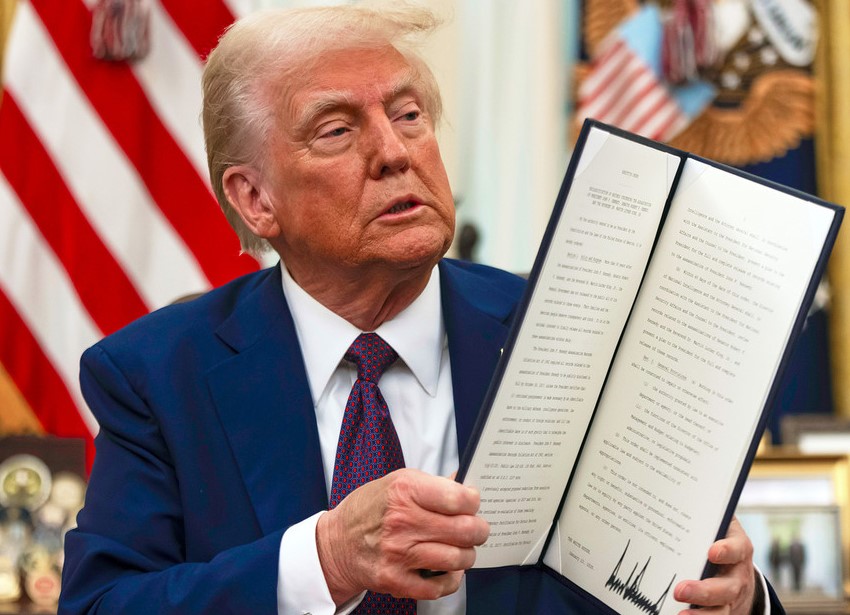
responds to an executive order issued in January by Trump.
However, the disclosure, made without prior notice, takes place at
a time when the president and White House officials are trying to divert attention from the handling of the files of businessman Jeffrey Epstein, who died in prison in 2019 while awaiting trial.
Regarding this, Bernice King, daughter of the social activist,
has asked the Government to “now review Epstein’s files”.
Previously, the leader
requested the Director of National Intelligence, Tulsi Gabbard, and Attorney General Pam Bondi, to coordinate with other officials to review the records related to King’s homicide.
It was planned that the files would remain sealed until 2027, but in June the lawyers of the Department of Justice
asked a federal judge to
lift the restriction before its expiration date.
Few updates
The files constitute
a collection of FBI documents and press clippings compiled over decades, including reports drafted for the investigations of the case carried out in 1976 by the agency and in 1979 by the House Select Committee on Assassinations.
According to The New York Times, several historians specializing in the figure of King indicated that
the documents offer few new revelations about his assassination. They also noted that the published records do not include the recordings of wiretaps made on King by the FBI or other materials that remain classified by a court order until 2027.