

Santo Domingo.– Jurist José Martínez Hoepelman considered that the Dominican Republic must move towards the decriminalization of so-called “word crimes” when the expressions are related to State matters, topics of public interest, or issues that have an impact on society.
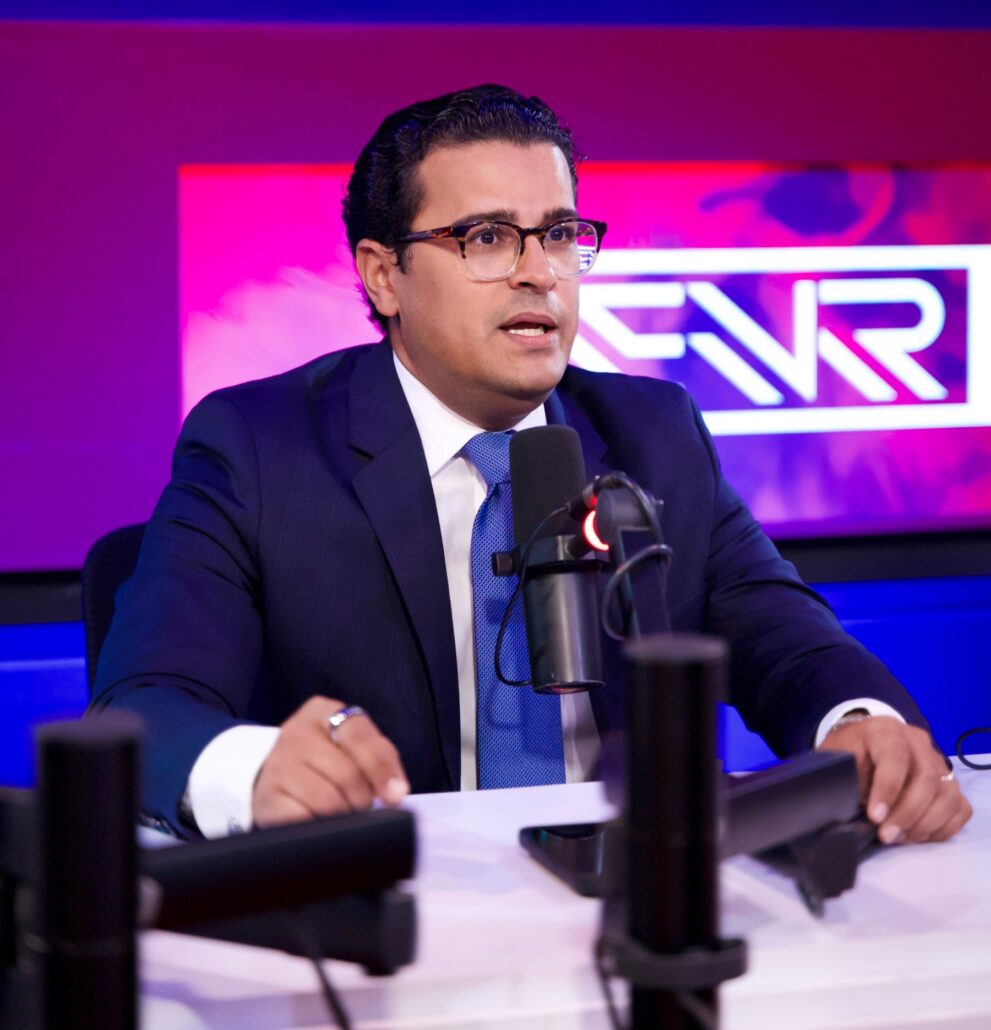
While participating in the third installment of RD Debate, Hoepelman maintained that the protection of freedom of expression constitutes a fundamental element for the strengthening of democracy and warned about the risks of using criminal law to restrict criticism related to public management.
“The crime of speech must be decriminalized when it has to do with matters of the State”, the lawyer proposed when analyzing the boundaries between freedom of expression and conduct that can generate judicial consequences.
The jurist explained that this right is not limited to a person’s ability to express their opinions, but rather possesses a dual dimension, as it also includes the citizens’ power to seek and receive information that allows them to form their own criteria on matters that affect society.

In that sense, he considered that opinions, criticisms, and questioning regarding public matters must have broad protection, even when they may be harsh or uncomfortable for those who exercise public functions.
Hoepelman pointed out that the Dominican Republic has moved away from an international trend aimed at removing so-called speech crimes from the criminal sphere. However, he highlighted that the new Penal Code introduces distinctions related to expressions linked to cases of public interest.
You can also read: Hoepelman denounces clash between Court and Senate
In his view, the intervention of criminal law should focus primarily on situations that affect aspects strictly related to the private life of individuals, establishing a clear distinction from debates on public matters.
“In order to have a strong democratic State, freedom of expression must be supported”, he stated.

The lawyer pointed out that one of the main challenges consists of precisely determining where the legitimate exercise of freedom of expression ends and at what point conduct can generate liability, without criminal regulations ending up becoming a tool to limit public debate.
His statements come amid discussions regarding the treatment of defamation, slander, and other crimes linked to expression in Dominican legislation, particularly in the wake of the provisions contemplated in the new Penal Code.
The third installment of RD Debate also featured the participation of lawyer and communicator Eduardo Saint Hilaire, as a guest moderator, alongside Jaime Rincón and Víctor Gómez Casanova.
The space is organized by El Nuevo Diario and the Economic and Social Development Council of Santo Domingo (CODESSD).