

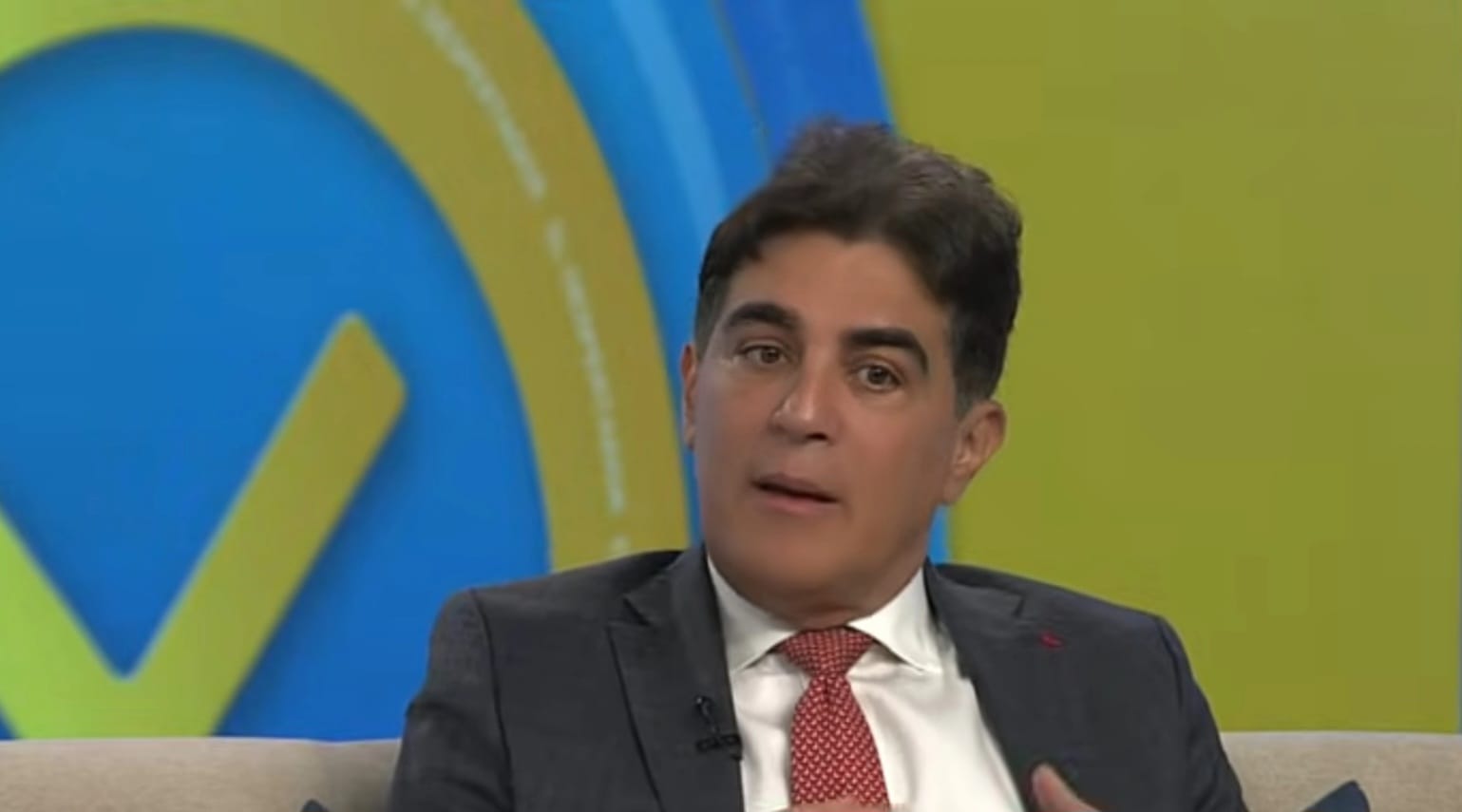
Santo Domingo.– The jurist Julio Cury expressed his disagreement with the letter that judge Pilar Jiménez sent on November 7th to the National Council of the Magistracy (CNM), in which she denounces having been removed from the Supreme Court of Justice arbitrarily. According to Cury, the document has a “defiant tone and inappropriate for a judge”, pointing out that the “personal accusations, the illegal and imprudent reproduction of private conversations with the president of the Constitutional Court, and the unsubstantiated complaints, reveal a lack of self-control and restraint”.

You can read:Congresswoman and therapist Altagracia de los Santos calls to protect children, especially from close relatives
According to Cury, Jiménez limited himself to resolving pending demands, some even after the main judgments were issued, and did not produce decisions with novel jurisprudential criteria. He also highlighted that his delay in the cases violated the deadlines provided for in the cassation law, affecting the procedural guarantee of the litigants. “Furthermore, he promoted a second courtroom agreement that restricts the filter of cassation interest, generating a procedural regression,” he indicated. The jurist called the comparison of Jiménez to the president of the Constitutional Court a “sottise” and stated that, instead of demonstrating her aptitude, the judge dedicated her letter to questioning the evaluation of her performance, constructing what he called a narrative of victimization and breaking with the principle of judicial self-restraint.