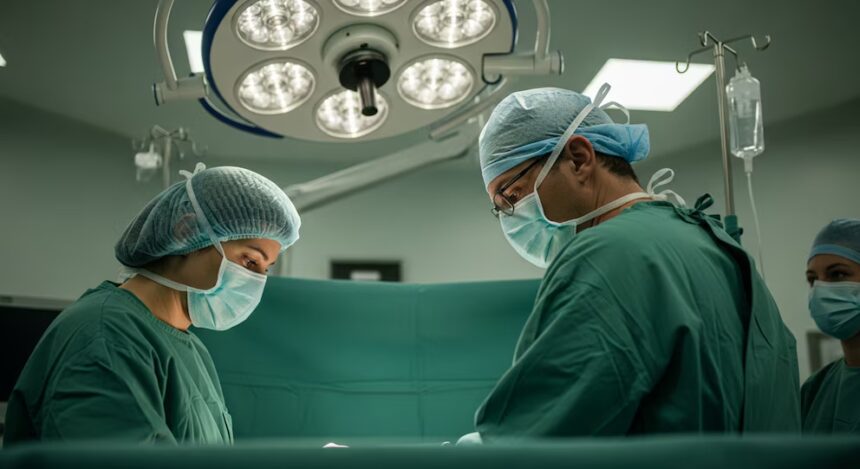
The story of Mayra and Daiana, two 14-year-old twins, marks a turning point in Argentine pediatric medicine. The Garrahan Hospital performed a simultaneous kidney transplant on twin sisters for the first time in its history, a procedure that highlights not only the technical capability of the medical team but also the human impact of organ donation.
Both 14-year-old teenagers, originally from Laferrere, Buenos Aires province, have faced a genetic disease since birth that conditioned their lives and that of their family. The intervention, performed at the beginning of April, avoided the need for dialysis and opened up new possibilities for their future.
An unprecedented transplant for the twins
The twins arrived at the Garrahan Hospital last August, referred from the San Justo Children’s Hospital with a diagnosis of autosomal recessive polycystic kidney disease. This genetic condition compromises kidney and liver function and leads to chronic kidney failure, a situation that both sisters have shared since childhood.
The transplant took place in the early hours of Thursday, April 16. The operation began the previous afternoon, when the teenagers went to the hospital for a routine check-up and were admitted upon confirmation of the availability of compatible organs.
We recommend reading: More than 700 people are waiting for a kidney transplant in Peru

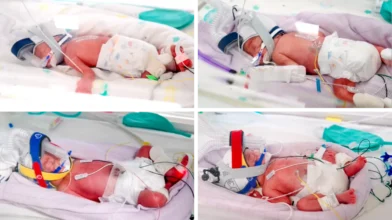
Mayra and Daiana, teenagers from Laferrere, have faced a genetic disease since birth that affected their kidneys and conditioned their family and school life (Illustrative Image Infobae)
The operation was performed in two operating rooms simultaneously. Doctor Juan Ibáñez, head of the Nephrology department, detailed that 20 specialists participated, including anesthesiologists, technicians, urologists, cardiovascular surgeons, and nephrologists. The organs, coming from a single donor from the city of La Plata, allowed both girls to receive compatible transplants, which ensured a faster recovery and a better quality of life.
“They entered two operating rooms simultaneously, two anesthesia teams were formed, with anesthesia technicians, circulating nurses, urologists, cardiovascular specialists, and nephrologists; a total of 20 people participated in the surgeries, which were successful and without immediate complications,” pointed out Ibáñez. At 10:30 in the morning, the team confirmed that both patients were urinating normally, a sign that the transplanted kidneys were functioning correctly.
More Read

Life before and after the transplant
Before the intervention, Mayra and Daiana lived a life adapted to the restrictions of their illness, under monthly medical check-ups and a strict diet without salt or processed foods, organized by their mother Nidia and their older sister Evelyn. The family became accustomed to a care routine from the first months of life due to episodes of urinary tract infections and abdominal distension in the twins. The disease affected the kidney and liver function in both twins, causing chronic kidney failure since childhood.
Over time, the frequency of check-ups increased, and in December, the Garrahan team decided to place them on the kidney transplant waiting list. Dr. Ibáñez explained in the hospital report: “One of our main objectives is to expedite the evaluation of patients with advanced kidney disease for entry onto the waiting list, allowing them to receive a kidney transplant and thus avoiding the start of dialysis. This preventive approach ensures better clinical progress and, above all, a better quality of life in the future.”
After medical discharge, the teenagers resumed their daily activities at home, under periodic check-ups and specific postoperative care. The success of the intervention allowed the twins to plan new dreams, such as attending a BTS concert, the Korean musical group they both admire, and studying careers related to healthcare or law.
High complexity and another milestone for Garrahan
The Garrahan Hospital reached an annual record of 55 pediatric kidney transplants in 2025, 14 of which were performed simultaneously. This intervention is the first in twin sisters receiving organs from the same donor, an unprecedented achievement for the institution.
The Garrahan has consolidated itself as a national benchmark in pediatric transplantation, providing access to innovative treatments for children from all over the country (Garrahan Hospital)
Autosomal recessive polycystic kidney disease is characterized by the formation of multiple cysts in both kidneys, which causes an increase in size and damages the renal tissue, leading to manifestations such as blood in the urine, high blood pressure, and chronic kidney failure. Thanks to the interdisciplinary approach at Garrahan, the patients were able to access a transplant before requiring dialysis, which improves their prognosis and quality of life.
More Read

The hospital consolidated itself as a national benchmark in pediatric transplantation, with an operational capacity that allows it to respond to emergency and high-complexity situations. “This preventive approach guarantees better clinical progress and, above all, a better quality of life in the future,” reiterated Ibáñez.
The story of Mayra and Daiana highlights the importance of organ donation and the joint work of doctors, technicians, and family members in the success of highly complex procedures. The Garrahan Hospital reiterated its commitment to providing access to innovative and excellent treatments for pediatric patients from across the country.