
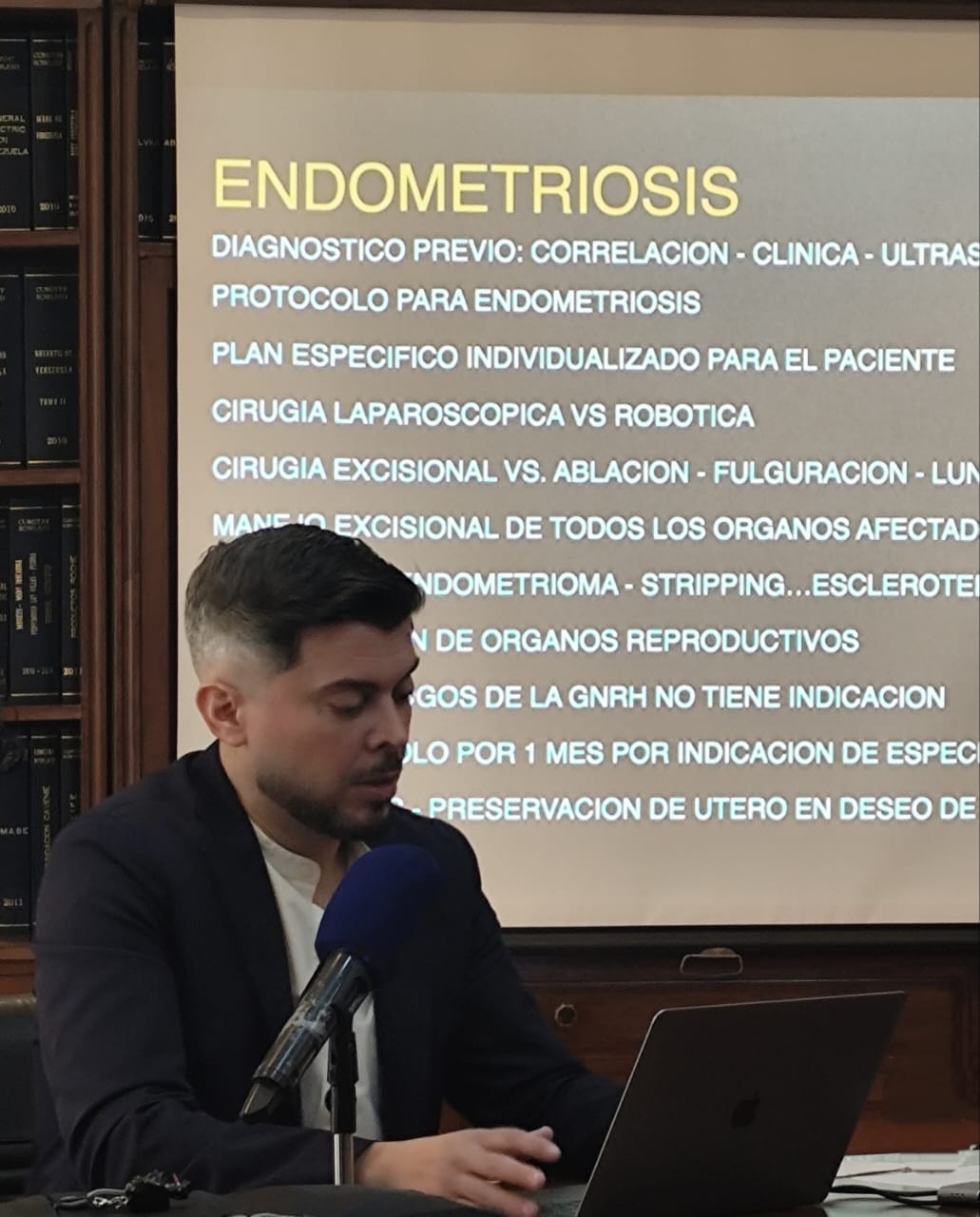
Caracas.- In Venezuela, one in seven women live with endometriosis, a chronic, painful, and often invisible gynecological disease. This alarming statistic reveals not only the high incidence of this condition in the country, but also the serious failures in its diagnosis and treatment, which are often delayed and aggressive.

Endometriosis primarily affects women of reproductive age and is characterized by the abnormal growth of endometrial tissue outside the uterus, which can cause chronic pain, infertility, and compromise organs such as the ovaries, intestines, lungs, and even the heart. Its physical and emotional impact is profound and long-lasting.“The unjustified removal of pelvic organs is more common than we think, with modern technology and minimally invasive techniques, most organs can be treated and preserved, even if they are compromised by endometrial tissue,” says Castellano.
You can also read: Dominican Republic registered 651 suicides in 2024
Castellano, a pioneer in Venezuela in the use of the NOSE (Natural Orifice Specimen Extraction) surgical technique for cases of colorectal endometriosis, emphasizes that the country urgently requires a change in the medical approach to this pathology. This technique, practiced by only four groups in the world, allows surgeries to be performed without visible incisions, extracting affected tissue through natural orifices of the body. This reduces the risk of infections, shortens recovery time, and improves the quality of life of patients. The specialist insists that modern medicine should focus on conservation and emotional support.“La endometriosis exige una medicina que entienda el cuerpo femenino en profundidad. No se trata solo de extirpar, sino de preservar calidad de vida”,
asegura.