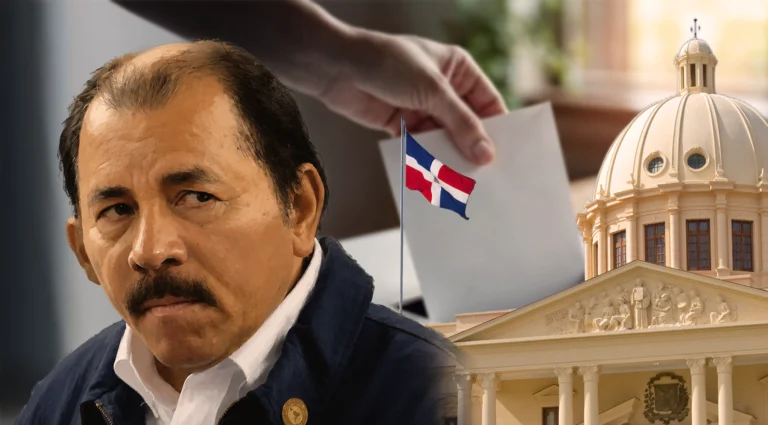


That year, the old Sandinista leader was trying to regain the presidency of Nicaragua after three consecutive electoral defeats, in which he did everything to overcome the ceiling of more or less 38 percent of the Nicaraguans’ sympathies.
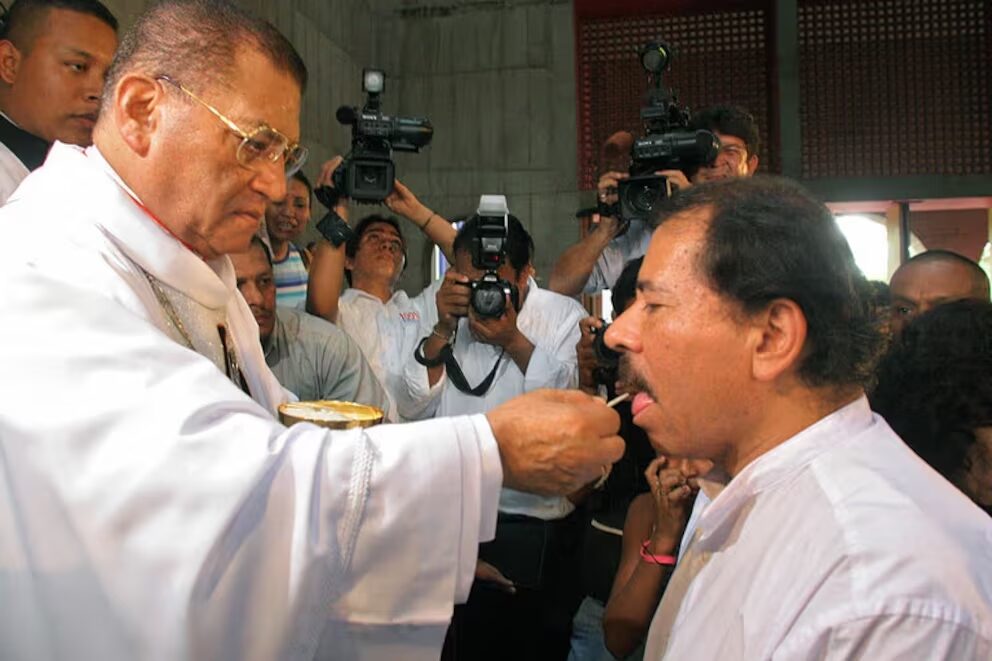
He dressed up as Chayanne and showed himself to be a troublemaker in 1990. Then he dressed in white and preached peace, reconverted into a kind of monk, in 1996. He asked for forgiveness from the Catholic Church that he persecuted in the 80s and even abandoned the civil union he had with Rosario Murillo and got married in a solemn religious ceremony to appear familiar and in tune with Catholic precepts, in the campaigns of 2001 and 2006. That didn’t do him any good. His voters didn’t exceed 38 percent and to win in the first round, according to Nicaraguan electoral rules, he needed to surpass 45 percent of the votes, a bar that was too high for him. And in the second round he had no chance against a majority united anti-Sandinism.You may be interested in:The IACHR ordered Daniel Ortega’s regime to release six Nicaraguan political prisoners
You can also read:The constitutional reform that grants total power to Daniel Ortega came into effect in Nicaragua
But, beneath the surface, a slow decomposition of the social and political fabric was occurring. In 2016, the regime began to eliminate opposition parties and empty the elections of content. Massive abstention in the general and municipal elections was an early sign of the crisis to come. For the first ten years, Ortega governed in a strange alliance with big capital, which allowed him to consolidate the dictatorship through the control and submission of all the powers of the State, the Army and the Police. Ortega gave apparent power to the businessmen in the economic management of the country, on the condition that he be allowed to do what he wanted in the political field. The oil money that arrived from Venezuela for his free use allowed him to create a client base that did not resist when their freedoms were taken away. Against the current of the current Political Constitution, Ortega established presidential re-election, and annulled the elections, which since 2008 began to be a useless exercise where Ortega’s group of power decided who participated, who won and who lost. Of course, Ortega always won. Thus, he has been re-elected three times, each time with a higher number of votes that he himself has decided. Barberena identifies three decisive moments. “The first is the electoral fraud of 2008,” which allowed the Sandinista Front to control the territory and deploy its surveillance machinery. The second was the Supreme Court ruling that enabled presidential re-election in 2011. “There are clear culprits in the Supreme Court of Justice,” he underlines. The third, the constitutional reform of 2014 that allowed indefinite re-election and laid the foundations for perpetuation in power. The definitive break came in April 2018. The civic rebellion, triggered by reforms to the social security system, turned into a national demand for regime change.The response was a brutal repression that left hundreds dead, thousands injured, and an unprecedented wave of exile in peacetime. “It was brutally suppressed and inaugurated the most serious phase of human rights violations and the consolidation of a totalitarian regime,” says Barberena.
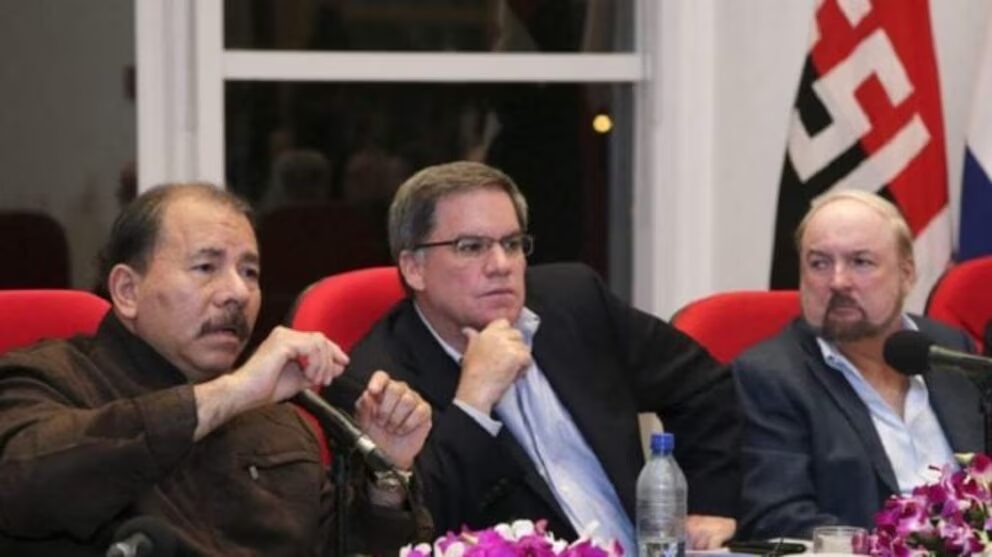
Why did Ortega choose dictatorship to govern? The first answer is because he could, and the second is because he needed it to install his dynasty. “Ortega and his closest circle never conceived of life outside of power”, says Barberena. The electoral defeat of 1990 was an experience they were not willing to repeat. “When they retook power on January 10, 2007, they did so with the absolute conviction of never giving it up, as recognized by commander (Sandinista) Tomas Borge”.
Today, with Daniel Ortega nearing 80 years old and practically absent from public life, Rosario Murillo’s rise is complete. The figure of the “co-president”, introduced in the 2025 Constitution, formalized a power she already exercised de facto. Ortega appears less and less, while Murillo controls the discourse, the administration, and the repression. In the international arena, events in Venezuela have introduced a new element of uncertainty. Barberena considers that “the transition that seems to be starting in Venezuela will inevitably have an effect on Nicaragua.” Venezuela was the main political and economic ally of the regime, along with Cuba. Its weakening forces Ortega and Murillo to recalculate their opportunities. Vargas agrees that the impact is accelerating. “The pillars supporting the regime have been fractured by the repression itself,” he says. The economy is growing at an average of just 2 percent annually since 2018, well below the previous period. In this context, Vargas outlines several scenarios for 2026. The first, authoritarian continuity with dynastic succession. The second, a controlled electoral opening to buy time. The third, a civic-military coup. “Those scenarios are still valid,” he affirms.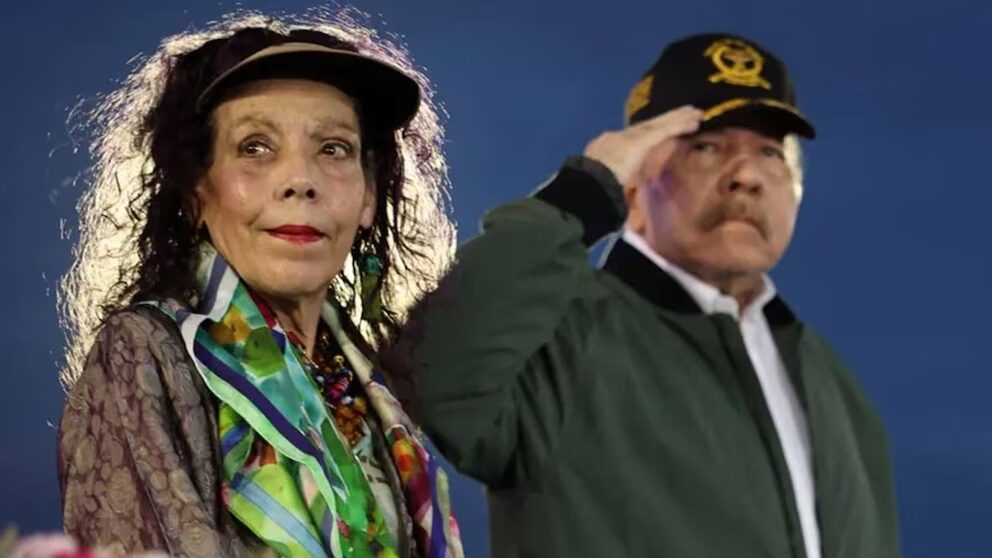
We recommend reading:Daniel Ortega criticizes rulers who do not recognize results in Venezuela
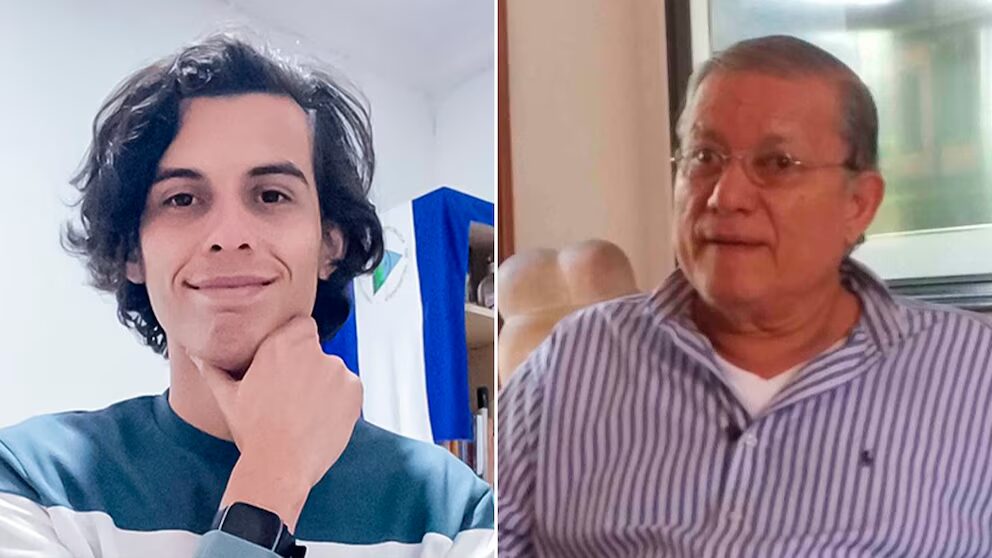
Juan Diego Barberena, like hundreds of thousands of other Nicaraguans, is in exile. Nineteen years is two-thirds of his life. In that time he graduated as a lawyer in Managua, did a postgraduate degree in Costa Rica and a master’s degree in Spain. And, of course, he is an opponent.Due to his critical positions, Ortega imprisoned Oscar René Vargas, his former comrade-in-arms and ally. He banished him and now he also lives in exile, in Costa Rica. “It’s a cruel dictatorship. I consider it to be even worse than Somoza’s, because Somoza had repressive peaks, but not a constant repression like the current one,” he says.