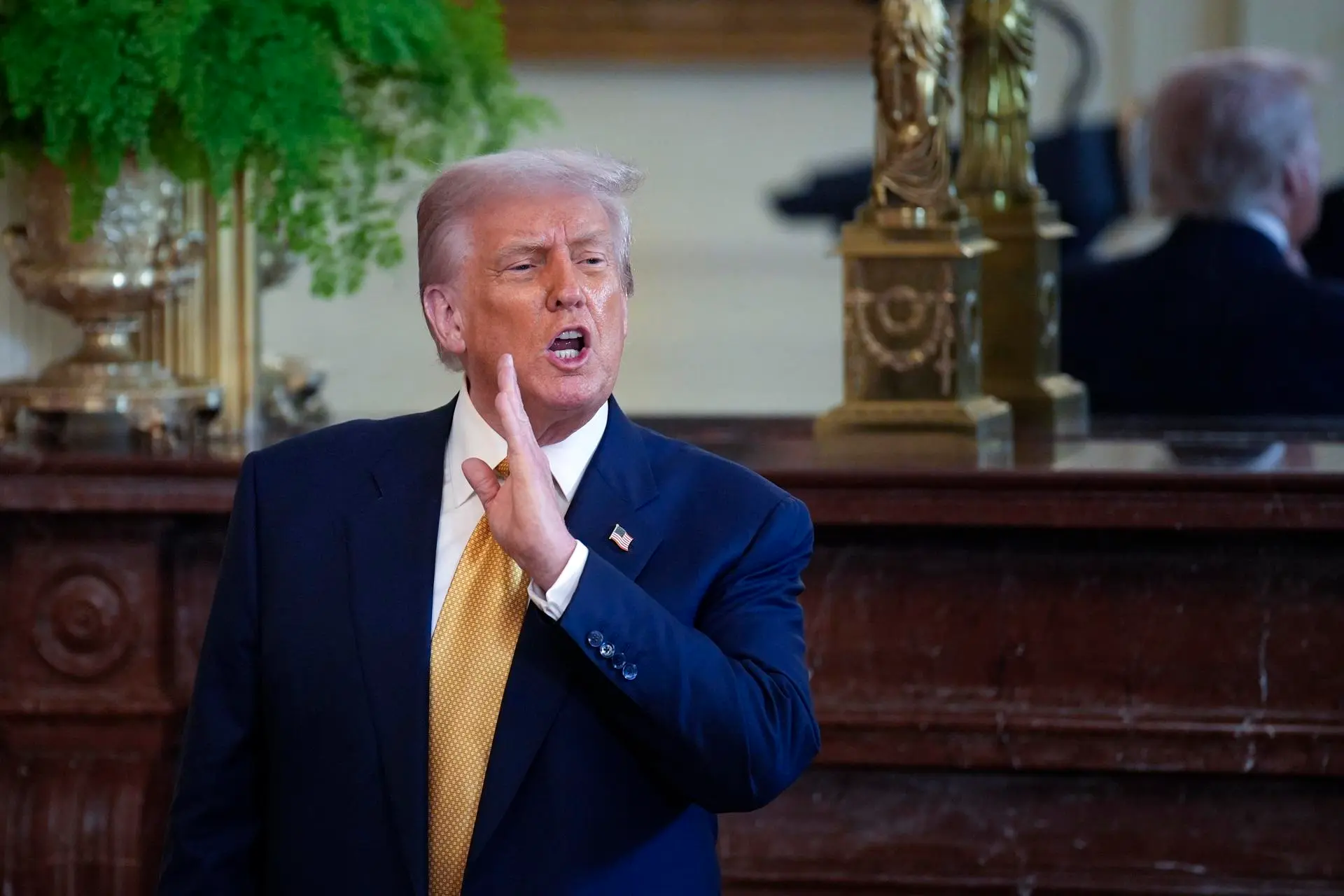
Washington (USA).- US President Donald Trump signed an executive order this Thursday that will make it easier for states and cities to remove homeless people from the streets and send them to treatment centers, even if they have not given their consent.

You may be interested in: http://Trump says he is following situation in Venezuela «with great interest» and does not want «its oil»
The measure asks Attorney General Pam Bondi to take legal action to overturn judicial precedents and consent decrees that limit the ability of local and state governments to move people living on the streets and in encampments to treatment centers. It also instructs the prosecutor to provide assistance to state and local governments that allow for the civil commitment and appropriate treatment of people with mental illnesses who pose a danger to others or who live on the streets and are unable to care for themselves. “The relocation of homeless people to long-term institutions so that they receive humane treatment through the appropriate use of civil commitment will restore public order,” reads the order titled ‘Ending Crime and Disorder on American Streets’. The regulation also requires the Departments of Justice, Health and Human Services, Housing and Transportation to prioritize federal grants for states and cities that “enforce prohibitions” on the open consumption of illicit drugs, camping in urban areas, and loitering. The order also demands a broad federal collection of data on homeless people and people with mental disabilities, which raises serious concerns about surveillance, privacy, and how such data could be used to justify further criminalization, the American Civil Liberties Union (ACLU) warned in a statement. Scout Katovich, an attorney at the ACLU’s Trone Center for Justice and Equality, said the order demonstrates a “notable disregard” for the rights and dignity of vulnerable people. “Imprisoning people in closed institutions and forcing them to receive treatment will not solve the problem of homelessness nor will it support people with disabilities. The truth is quite the opposite: institutions are dangerous and deadly, and forced treatment doesn’t work,” added the lawyer. Katovich recalled that Trump has doubled down on policies that “punish” disadvantaged people, such as the signing of the budget law that decimates the public health program Medicaid, the main funder of addiction and mental health services. Today’s measure follows one taken last March when the U.S. president ordered the National Park Service to remove homeless encampments and graffiti on federal lands. The number of people (274,224) who lived on the streets of the United States on a single night during 2024 was the highest ever recorded in the country, according to data cited by the White House in the order.