

Energas concluded one of the most significant maintenance programs in its recent history, with an investment exceeding US$55 million aimed at strengthening the availability, efficiency, and reliability of its generation facilities, thereby contributing to the energy security of the Dominican Republic.
The works, executed between January and May of this year, together with the start of commercial operation of Energas 4, strengthen the company’s generation capacity ahead of the start of the hurricane season and the period of highest electricity demand, supported by renewed infrastructure, greater energy availability, and reinforced operational continuity protocols at the service of the national electricity system.
“Ensuring reliable energy for the country requires planning, investment, and a long-term vision. These investments allow us to have a more robust and resilient infrastructure today, strengthening the reliability of our operations and contributing to the national electrical system having more robust and resilient support, especially during periods of high demand and in the face of increasingly demanding weather scenarios,” stated Osvaldo Oller Bolaños, Commercial and Operations Director of Energas.
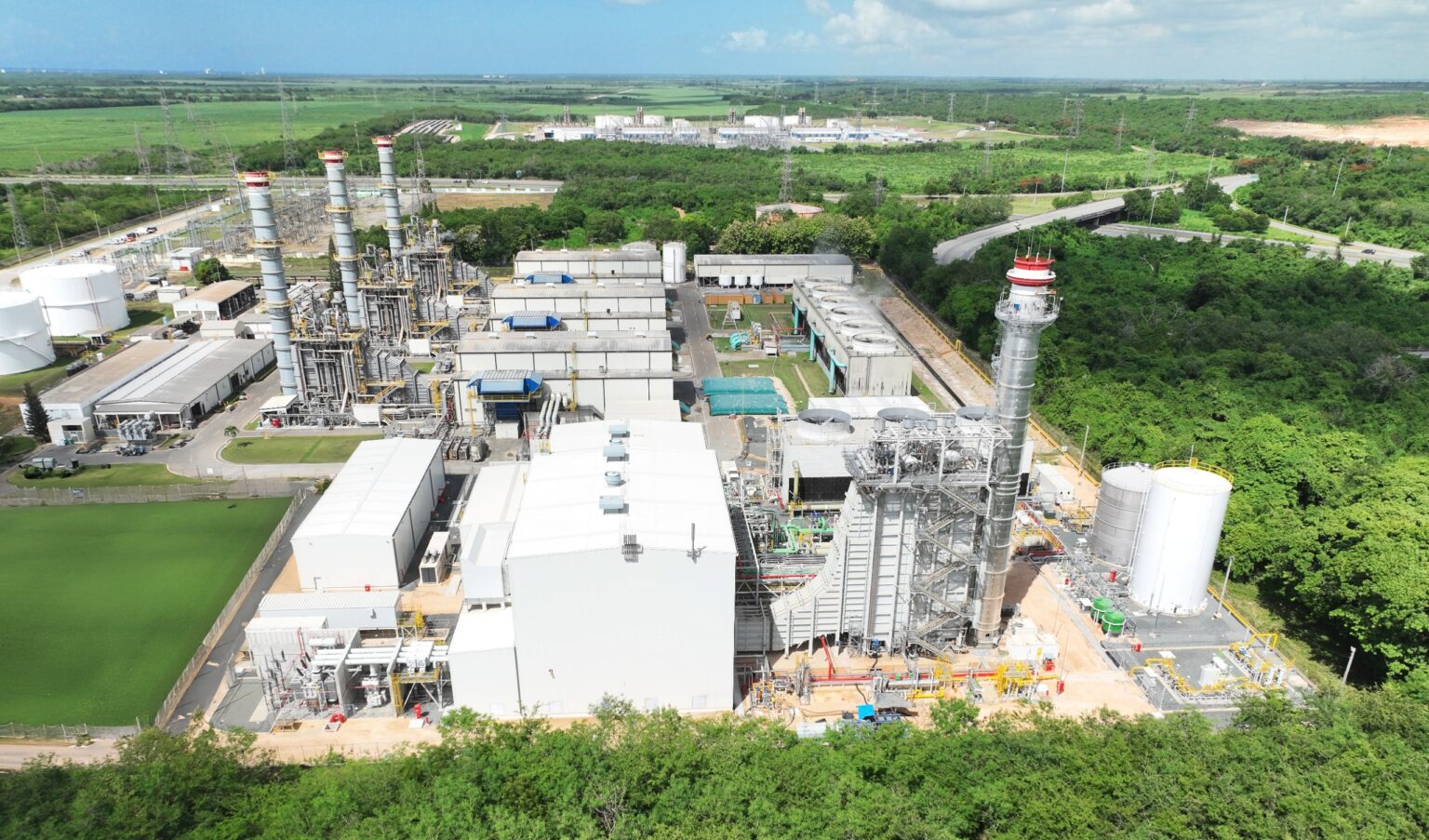
As part of this program, the company carried out major interventions in its three generation units, each consisting of a gas turbine and a steam turbine in a combined cycle configuration. The work included the replacement of a cooling tower, major maintenance on gas and steam turbines, and upgrades to components associated with fuel and circulation systems. The major maintenance was carried out in coordination with the original equipment manufacturers, Siemens Energy and Everllence (formerly MAN Energy Solutions), ensuring the highest technical standards in the sector.

The company also updated monitoring and control systems linked to the operational behavior of turbines, generators, and auxiliary equipment, incorporating solutions that allow for more robust supervision and more stable operation under different generation scenarios.
Each of these interventions had the objective of increasing operational stability and reducing vulnerabilities that could impact the electricity supply. In practice, this translates into greater responsiveness to demand and an energy infrastructure better prepared to support economic development and strengthen national energy security.
The work began in January and was carried out in a staggered manner to ensure the progressive reincorporation of the units into the SENI. The process involved nearly 400 people, including engineers, technicians, and specialized contractors, while also boosting economic activity associated with industrial services and technical support.