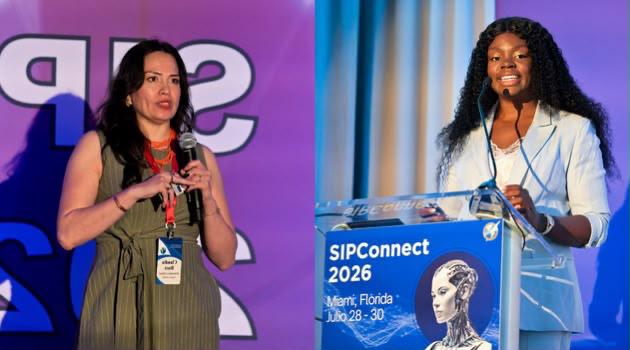

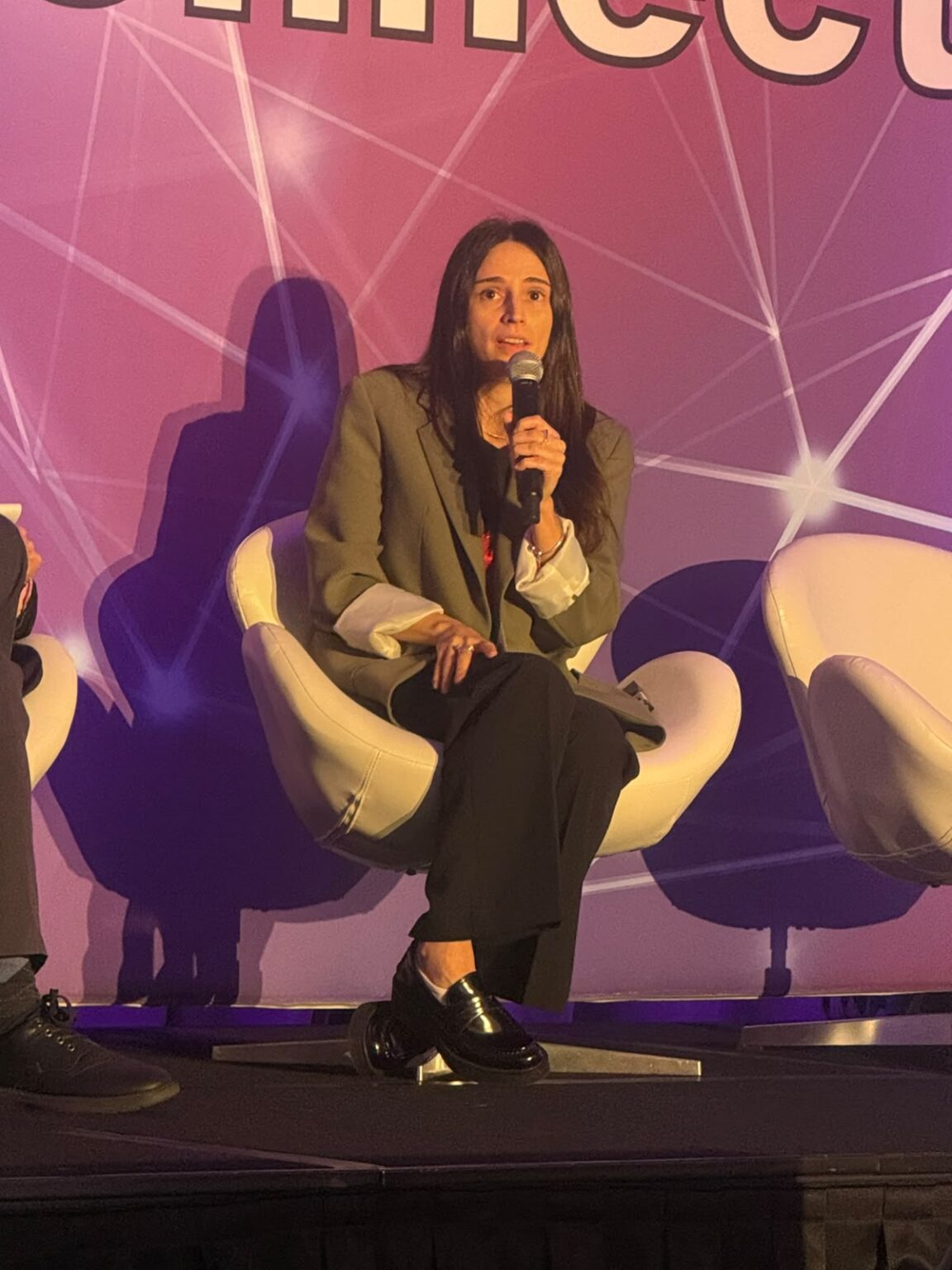

Santo Domingo.- The culture of experimentation and continuous learning must become part of the DNA of newsrooms. That was one of the main messages from Fernanda Brovia, Social Media Manager at Noticias Telemundo (United States), during her participation in SIPConnect 2026, as she shared the strategies the outlet implements to innovate in the production and distribution of digital content.
Brovia maintained that the transformation of journalism does not depend solely on incorporating new tools, but on creating teams willing to test, measure results, and constantly adjust their processes.
“Innovation does not always require a new tool,” he stated, explaining that experimenting does not mean improvising, but rather working with clear objectives and evaluating the impact of each initiative.
During his presentation, he highlighted that artificial intelligence has become an ally for optimizing repetitive tasks and freeing up time for work of greater journalistic value. However, he warned that these technologies do not replace professional judgment.

“AI is not replacing my judgment, but it is giving me time to do the other things I need to do,” he/she expressed.
Brovia explained that Noticias Telemundo has incorporated artificial intelligence and automation tools to streamline production processes, although he insisted that editorial rigor must remain an unalterable principle.
The executive also invited the media to build newsrooms where experimentation is part of the daily routine and not an occasional practice.
“Platforms, algorithms, artificial intelligence, and our audience change, but we can never stop changing and learning,” he emphasized.

In that sense, he pointed out that journalists must develop a mindset open to change, understand the behavior of new audiences, and take advantage of the opportunities offered by digital platforms without renouncing the principles of journalism.
As a final reflection, Brovia asserted that the challenge for journalistic organizations does not consist solely of adopting new technologies, but of consolidating an organizational culture that encourages lifelong learning, innovation, and the ability to adapt to a constantly evolving digital environment.