Periodista con experiencia en producción audiovisual y creación de contenido para marcas. Egresada de la UCSD en la carrera de Comunicación Social y estudiante de término...
Share
3 Min Read
SHARE
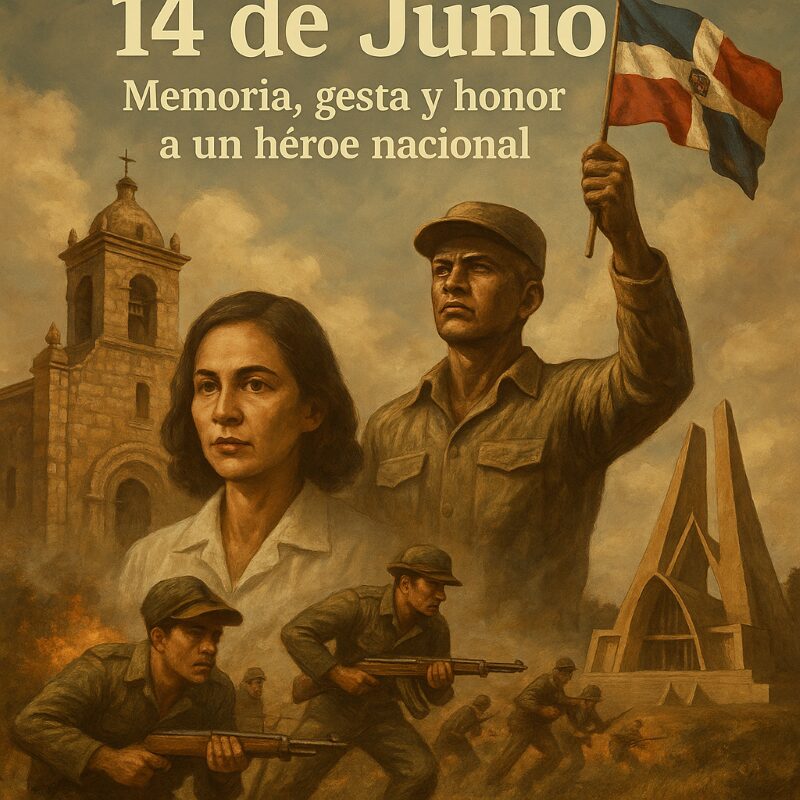
Every June 14th, one of the most emblematic feats against the dictatorship of Rafael Leónidas Trujillo is commemorated: the 1959 guerrilla expedition, organized by the Revolutionary Movement 14th of June (14J) which was led by Manolo Tavárez Justo and Minerva Mirabal.
On this day, the bravery of hundreds of men and women is revived, who, organized in fronts like Constanza, Maimón and Estero Hondo, undertook the fight to restore democracy in a country marked by more than thirty years of oppression.
On June 14, 1959, multiple guerrilla fronts composed of Dominicans and Cubans entered from mountainous areas in coordinated actions with the aim of overthrowing the dictatorship. This movement, inspired by similar struggles in the region, operated with independent groups dedicated to combat and civil resistance activities. Although the expedition did not achieve its immediate military objective, it signified a symbolic blow of great relevance.
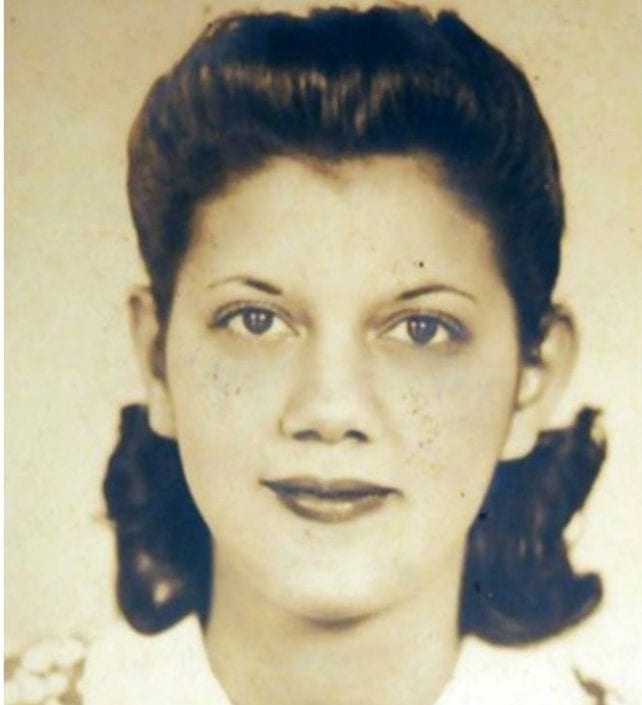
Asela Morel, vinculada al movimiento 14 de junio.
One of the icons of this feat was Asela Mercedes Morel Pérez, a doctor and activist linked to the 14J movement, who was arrested and tortured in “la 40” prison for her participation.
In honor of all these protagonists, the chosen date has become a remembrance and vindication of the fight for freedom.
So much effort has been made to remember and keep them alive that a structure was erected in 1955 to value the efforts of the Heroes of June: the “Monument to the Heroes of Constanza, Maimón and Estero Hondo.”
Although many of the expeditionaries were captured, tortured, and executed, the spirit of resistance they embodied became an essential part of the Dominican democratic imaginary. Recently Delio Gómez Ochoa was recognized as a national hero, within the framework of the 66th anniversary of the deed, the Chamber of Deputies granted a special tribute to the former Cuban military man, the only survivor still alive.
This day becomes, beyond a simple anniversary, a date to remember that Dominican democracy has deep roots in active resistance and supreme sacrifice.
The country not only evoked a historic feat, but also embraced one of its living protagonists. The recognition of Delio Gómez Ochoa symbolizes the ability of a country to honor its past, exalt memory, and chart a path to the future inspired by sacrifice and dignity.
This day, June 14th, continues to be a date of unveiling and vindication for all that it represents: resistance, sacrifice, and, now, the recognition of a hero who crossed borders in the name of justice.
Periodista con experiencia en producción audiovisual y creación de contenido para marcas. Egresada de la UCSD en la carrera de Comunicación Social y estudiante de término de la maestría en Ciencias Políticas y Políticas Públicas.