Santo Domingo. — With the aim of strengthening the culture of structural prevention, expanding its technical capacity and offering greater protection to the Dominican population, the National Office of Seismic Evaluation and Infrastructure and Building Vulnerability (Onesvie) begins the year by promoting an institutional agenda focused on technical cooperation, the modernization of its operational capabilities and the consolidation of national and international strategic alliances.
In that context, the institution received a visit from Carlos Mendieta, Consul General of the Dominican Republic in Shanghai, during which strategic lines of work were addressed, aimed at the modernization of the technical laboratory, the promotion of specialized training programs, the strengthening of school infrastructure, and the development of international alliances that allow raising the structural safety standards of the country, as well as support mechanisms for the management of technical equipment and the transfer of knowledge.
This institutional strengthening process is based on the legal function of the institution, as a technical body of the State responsible for evaluating the state of vulnerability and existing infrastructures and issuing technical recommendations for prevention, without executing works or imposing structural reinforcements directly, functions that correspond to other State bodies in accordance with the current legal framework.
You can also read: David Collado says he will continue at the head of the Ministry of Tourism “for a while longer”
The institution provides evaluation services to both public and private buildings, addressing formal requests from citizens, companies, and institutions, which expands its preventive scope for the benefit of all society
Between the years 2020 and November 2025, 1,391 structural evaluations have been carried out in different areas of the national territory. In 2025 alone, 513 evaluations were executed, reflecting sustained growth in the demand for specialized technical services and a significant advance in the prioritization of prevention as a fundamental axis of public safety.
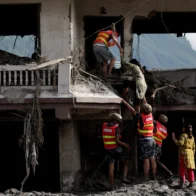
The scope of the evaluations includes educational centers, hospitals, public and private buildings, road infrastructure, aqueducts, and other critical structures, directly contributing to the protection of lives and property throughout the country.
As part of this strengthening, Onesvie has consolidated the Dominican Structural Evaluators Network (REED), comprised of 366 certified engineers and architects, strengthening its operational capacity to respond to the growing demand for specialized studies.
For this new year, the entity plans to increase the number of evaluations, reduce response times, expand its capacity to serve citizens, and continue promoting a solid culture of structural prevention, consolidating its role as a technical pillar of the Dominican State in terms of prevention and risk management.
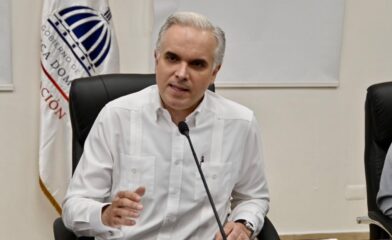
The meeting was led by the general director of Onesvie, Leonardo Reyes Madera, and the deputy director Nítida Sánchez.
ABOUT ONESVIE
The National Office for Seismic Evaluation and Vulnerability of Infrastructure and Buildings (Onesvie) was created by Decree 715-01 in the year 2001, with the purpose of evaluating seismic risk in buildings in the country and proposing corrective solutions. It is the entity responsible for preserving the heritage of public buildings and protecting the lives of citizens against natural threats.
Works on identifying structural vulnerabilities to prevent disasters, offering services such as seismic assessments, technical diagnoses, consulting, training, and prevention protocols, especially in key infrastructures like schools, hospitals, and government buildings.