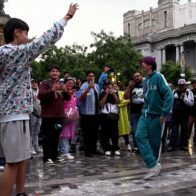

The initiative proposes the certification of students in “I know how to dance merengue” and “I know how to dance bachata”
Santo Domingo. – The Chamber of Deputies sent on Tuesday to the Permanent Commission of Culture the bill that declares of high national interest the preservation, protection, promotion and dissemination of merengue and bachata, recognized as cultural heritage expressions of the Dominican Republic.

Mandatory teaching of these rhythms in School
The bill by deputies José David Báez, Danilo Díaz, and Ycelmary Brito O’Neal establishes the obligation for the Ministry of Education (MINERD) to incorporate these rhythms into the Dominican educational system, both for their formative benefits and their patrimonial value. This teaching will be given in the Art Education Subject and in the context of the extended shift, covering both the practical dimension (dance) and its historical and cultural aspects. In that sense, the project considers Socio-educational foundations in which it proposes that the practice of partner dancing of merengue and bachata contributes to students achieving competencies and objectives of the school system related to: ◦ Teamwork. ◦ Respect for rules and roles. ⦾ Discipline. • Motor coordination. ⦾ Confidence for public exposure. Furthermore, they point out that this practice contributes to creating protective environments that positively impact the mental health, self-esteem, and well-being of students. Likewise, they emphasize that the promotion and teaching of both musical genres within the school system strengthens identity and the sense of cultural belonging, strengthening national pride, Dominican identity, and community roots, factors associated with greater emotional well-being of children and young people. The article 13 of the document states that at the secondary education level, the option of specialized classes in Merengue and Bachata will be created, through training workshops.Literacy Programs
The legislative proposal also stipulates that the MINERD implement the Merengue Literacy Program and the Bachata Literacy Program, as established in article 11 of the document. These programs will consist of talks, conferences, or other methods to teach the history and evolution of each rhythm. They will include the practical teaching of dance to achieve the certification of high school students with the phrases: “I know how to dance merengue” and “I know how to dance bachata”.Contests
They also propose, within the framework of the National Merengue and Bachata Festival, to establish an intra-school competition among certified student couples in both rhythms to recognize the most outstanding ones, coordinated by the National Council for the Preservation of Merengue and Bachata (CONPREMEB), a fundamental entity created by the Law Project to ensure the implementation and fulfillment of its objectives.