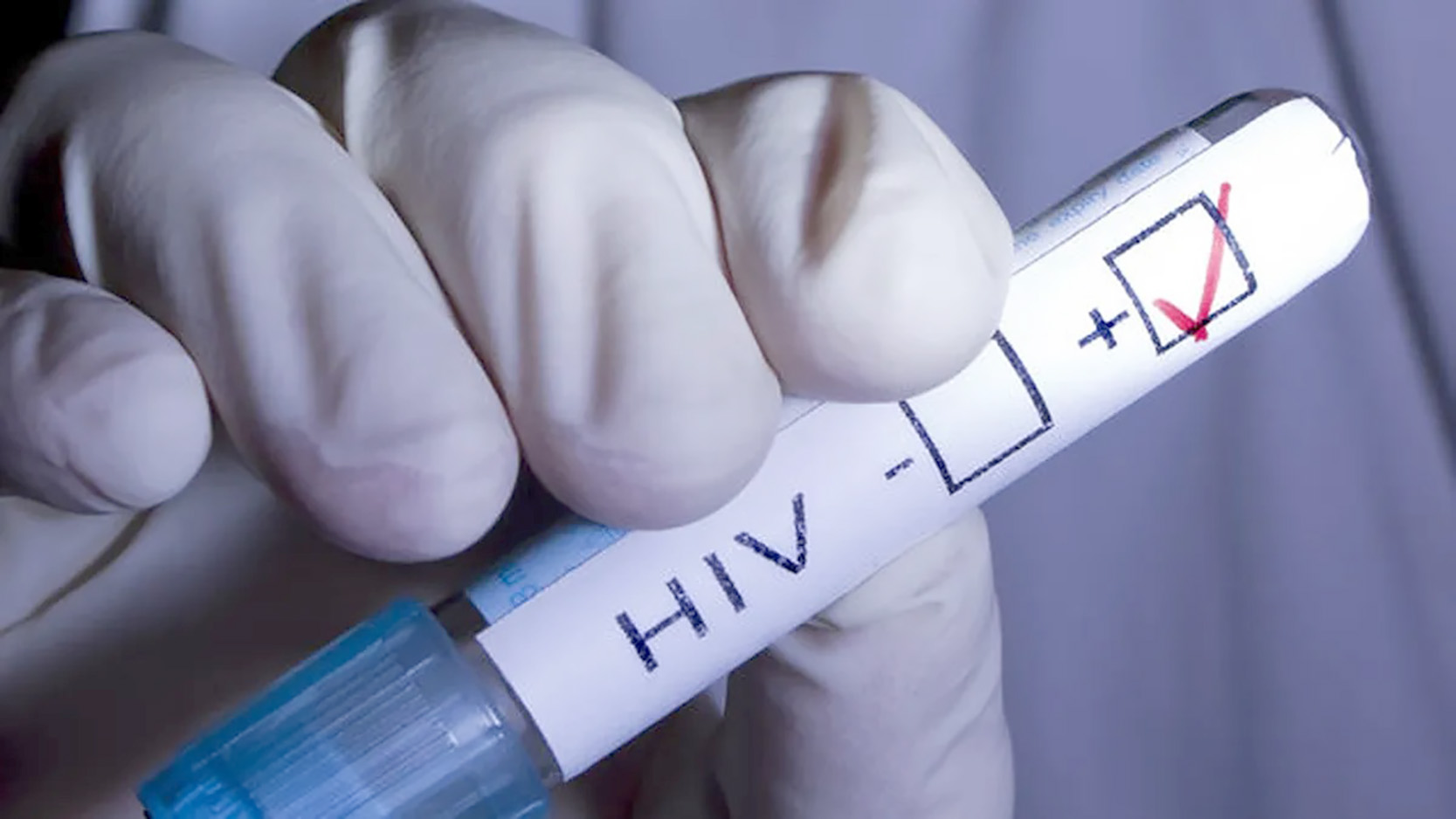
SANTO DOMINGO.- HIV/AIDS continues to be a major public health challenge in the Dominican Republic. Despite prevention, diagnosis, and treatment efforts, the country continues to report a high number of new cases each year. According to the most recent data from the National Council for HIV and AIDS (CONAVIHSIDA), some 77,000 people are living with HIV in the national territory. Of that population, 75,427 are receiving antiretroviral therapy and 1,465 remain under medical follow-up. “These figures are current estimates. We estimate that there are around 79,000 people with HIV, and 1,500 of them are children,” said Melvin Brioso, technical manager of CONAVIHSIDA.
As of August 10 of this year, the Dominican Republic had reported approximately 4,200 new cases. Data from the National Epidemiological Surveillance System (SINAVE) show that the majority, 50.86%, are women. The most affected group is between 20 and 39 years of age.

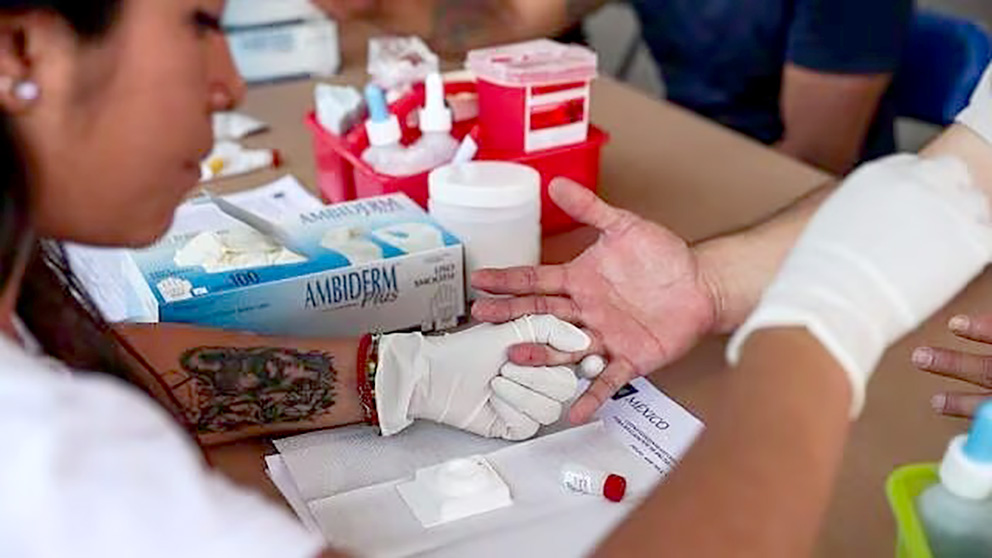
HIV incidence by nationality
- Dominicans: 50 476 cases (71.9 %)
- Haitian community: 18 567 cases (26.3 %)
- Venezuelans: 450 cases (0.6 %)
- Other nationalities: 222 cases (0.3 %)
- Unidentified: 630 cases (0.9 %)
Globally, UNAIDS reports that 39.9 million people are living with HIV, and 9.3 million, almost a quarter, are not receiving life-saving treatment. This causes one person to die every minute from AIDS-related causes.
HIV deteriorates the immune system, facilitating deadly infections and cancers. When this condition develops, it is called AIDS. The virus remains in the body for life. “Educational campaigns are essential to prevent risks associated with unprotected sexual relations or promiscuous behaviors, which increase the possibility of sexually transmitted infections,” detailed Dr. Rosa Abreu, pediatric infectious disease specialist at the Robert Reid Cabral Hospital.HIV Prevention
To avoid contagion, it is essential:- Use male and female condoms.
- Apply medications such as:
- PrEP: Pre-exposure prophylaxis, for HIV-negative people but at high risk.
- PEP: Post-exposure prophylaxis, for emergencies after possible contact with the virus.
Children with HIV
The Pan American Health Organization (PAHO) reported a reduction in the prevalence of HIV in children aged 0 to 14 years between 2018 and 2022. Currently, 1,500 children are living with HIV in the country.“These children have treatment and regular follow-up in the services we offer,” said Brioso. The main transmission in children remains from mother to child (vertical). Although protocols exist, efforts are still insufficient. Children receive specialized care at the Robert Reid Cabral Hospital and in Santiago de los Caballeros, with teams of psychologists and infectious disease specialists who ensure quality of life, medications, and micronutrients.
“The diagnosis includes free CD4 and viral load tests, with comprehensive psychological follow-up and counseling,” explained Rosa Abreu.
The weight of stigma
HIV poses a challenge to the physical, intellectual, and social development of children, who face stigma, discrimination, and economic difficulties. Many even lose their parents.“It is vital that society understands that HIV is a medical condition, like hypertension or diabetes, and is not transmitted by sharing objects,” clarified Brioso. When a child is abandoned, the National Council for Childhood and Adolescence (CONANI) transfers them to Casa Rosada, the only home for children with HIV in the country. Casa Rosada, founded in 1992, guarantees rights, medications, and emotional support.
“Here we monitor treatments and manage medications from the Robert Reid Hospital,” explained Génesis Eustaquio, a nurse at the institution.