The Ministry of Health of Costa Rica, through its Health Surveillance Directorate, published yesterday, July 2, the Epidemiological Bulletin number 24 corresponding to the year 2026.
Data confirms that, although the annual cumulative total shows a slight reduction compared to the previous year, the country is facing a sustained increase in dengue cases in recent weeks.
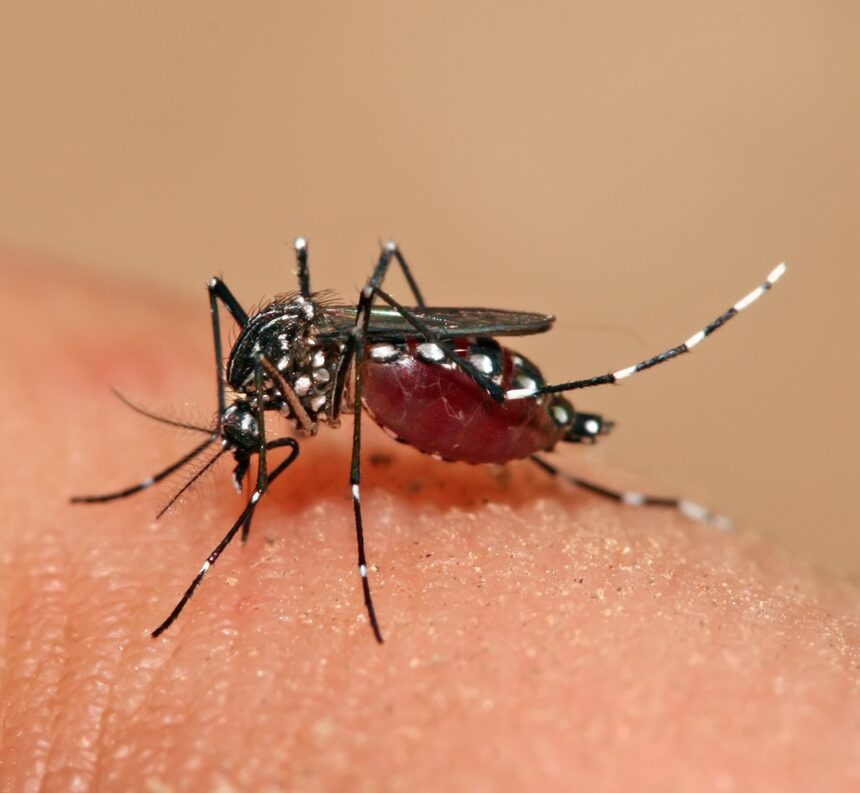
Current weather conditions have accelerated the reproduction of the transmitting mosquito, raising alarms in several regions of the national territory.
The analysis of the endemic channel reveals a crucial trend change starting from epidemiological week 17, which triggered a sustained increase in notifications that has led the curve to cross the historical average line, dangerously approaching the alert zone or upper limit (Upper CI).
Despite this rebound, the cumulative total for 2026 records 1,411 total cases, which represents an 8% reduction compared to the same period in 2025, when 1,540 infections were reported. However, authorities insist that this positive margin could disappear quickly if the upward trend of the last few weeks continues.
More Read

However, out of the 1,411 cumulative cases in the country, authorities identified a total of 24 cases classified as “dengue with warning signs,” which requires rigorous monitoring to prevent them from progressing into severe or hemorrhagic conditions. The sustained increase in cases starting in May is detailed (Courtesy: Ministry of Health of Costa Rica).

Recomen
Regarding hospital occupancy, the Medical Management of the Costa Rican Social Security Fund (CCSS), through data collected by the Unified Digital Health Record (EDUS), reported that as of June 29, there are 2 people hospitalized with a confirmed diagnosis of dengue.

Preventive measures and recommendations for the population
Authorities maintain active preventive campaigns throughout the national territory, but remind that community participation is essential to contain the advance of the vector. To prevent and manage the situation effectively, it is recommended to strictly apply the following measures:
- Elimination of breeding sites: It is essential to constantly clean any container that accumulates stagnant water. Special attention should be paid to roof gutters, flower vases, animal water bowls, and a thorough inspection of tires, buckets, or plastics in yards and around homes should be carried out.
- Early medical attention: Upon the appearance of the first symptoms associated with the disease, such as high fever, severe muscle or joint pain, headache (especially behind the eyes), and general malaise, it is vital to go immediately to CCSS health services or private clinics.
- Avoid self-medication: A strong appeal is made not to consume medications such as aspirin, ibuprofen, or naproxen, as these drugs can increase the risk of hemorrhaging in patients with dengue.
Health authorities insist on checking tires, flower vases, and plastics to prevent stagnant water from becoming a source of dengue contagion (Courtesy: Ministry of Health).
Dengue in the Costa Rican country has shown significant spikes, especially in coastal areas and those affected by climate change and the El Niño phenomenon. The combination of high temperatures and intermittent rains creates the perfect scenario for the rapid reproduction of the Aedes aegypti mosquito.
Similarly, the bulletin specifies that the Central Pacific region is positioned as the current epicenter of the disease, recording the highest number of reported cases with 293 infections. Furthermore, this region presents the most alarming incidence rate in the entire country, with 91.0 cases per 100,000 inhabitants.