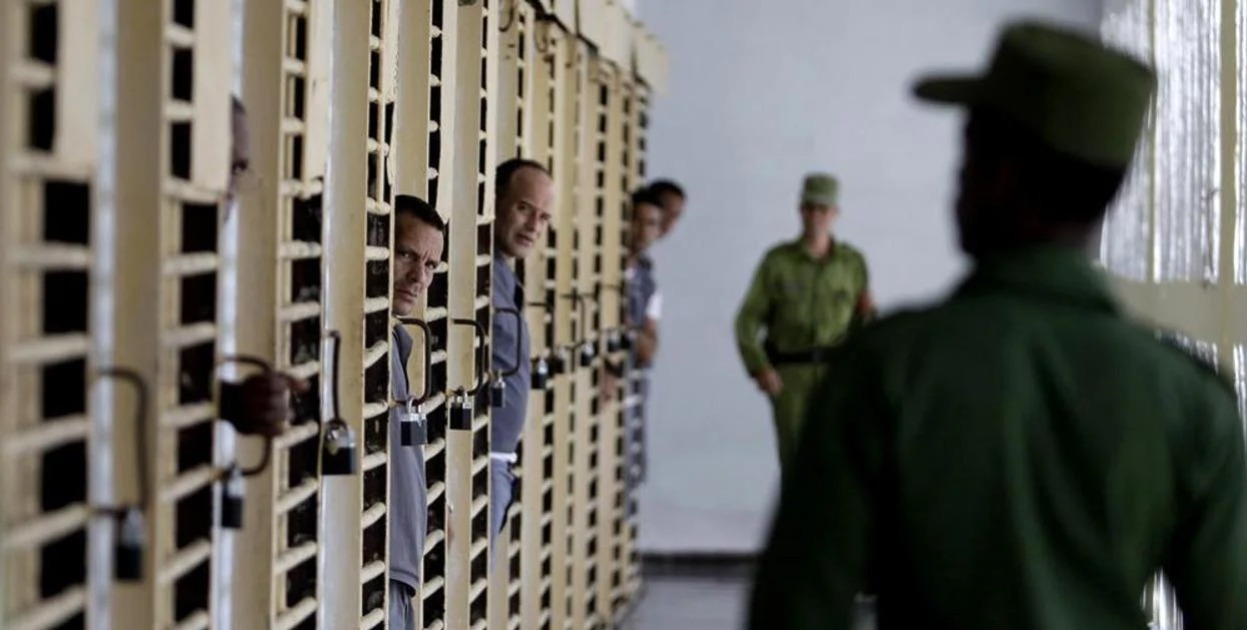
A corruption case in a Cuban state-owned company brought two executives and a private worker before a court, accused of several crimes, including embezzlement, for which they were sentenced to between 8 and 15 years in prison, state television reported on Thursday. For the second time in the last month, the television space ‘Hacemos Cuba’ was dedicated to addressing acts of administrative corruption in state-owned companies, one of them detected in the Finance and Prices department of the province of Pinar del Río (west). The main person involved, facing a sentence of 15 years in prison, is the Director of Finance and Prices of the province, who irregularly transferred around two million pesos (about $83,000 at the official exchange rate for legal entities or 71,091 million euros) and partially benefited from that money. The official was also convicted of authorizing payments to another private entity for services not rendered and for falsifying invoices for 70,000 Cuban pesos (about $2,916 or €2,497).
Between 8 and 15 years in prison for three convicted of corruption in Cuba