“In rich countries, because they have well-nourished children, with good health, even when they get measles, the probability of death is four in 1,000, while in Africa it is 300 in 1,000,” he explained, when asked about the recent anti-vaccine movement in Western countries.“The data on vaccines is super clear, and in developing countries, quickly, if there is a rumor against the vaccine, for example the measles vaccine, there will be many deaths, very quickly. And mothers will say: wait a minute, this is a tragic mistake,” exemplified the businessman, pointing to the “rich countries.”
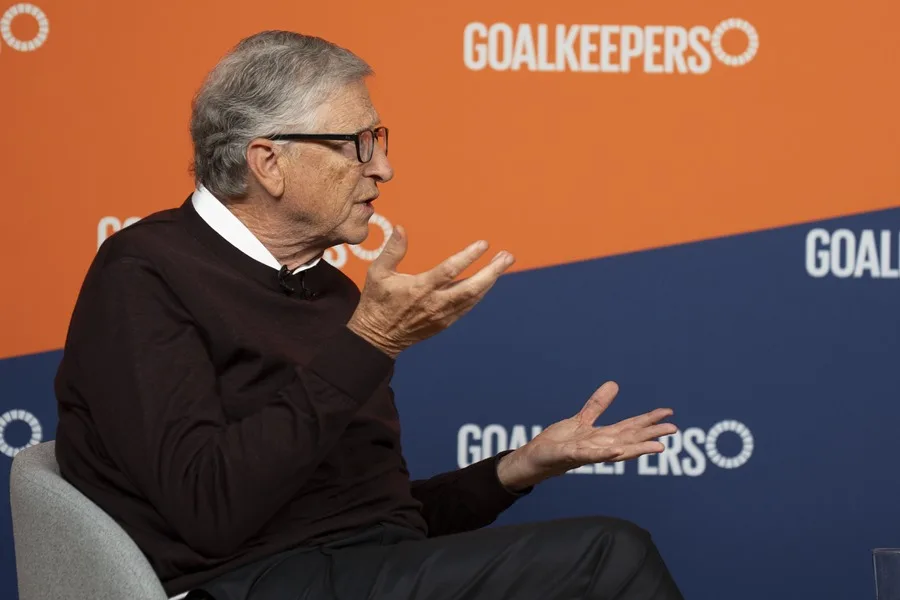
Bill Gates defends the impact of vaccines
«Any death is a tragedy, and we must tell the truth about vaccines: they are the main reason why we have gone from ten million children dying each year at the beginning of the century, to now less than five million», said Bill Gates, aware that this statement today may be seen as a controversial political positioning. And he pointed directly to the “Global Fund” for the fight against malaria, AIDS and tuberculosis, and the vaccine platform “GAVI”, “which have the most credit for that miraculous improvement”. Gates, whose priority is the improvement of global health, claims on several occasions that voters in democratic countries who donate money to this cause should be “proud” to contribute to the “success” that is pulling developing countries out of the “poverty trap”. “It’s saving lives in exchange for very little money for each life saved, and helping these poor countries escape an incredible poverty trap, because all these diseases are much more prevalent in poor countries,” argues this figure in technology, who plans to donate all his money in the next 20 years.A Richer World and More Child Deaths, A Fair Trade?
Bill Gates is no stranger to the fact that his country, as a power, is one of the main funders of the global health cause, but under the Republican government Donald Trump that progress is at risk due to cuts and freezes in foreign aid, under the premise of controlling public spending. “The world is getting richer, there is no reason to think that allowing more children to die is a correct trade-off,” says the philanthropist, whose foundation, nourished by his immense fortune, has gradually become one of the major funders of development, above governments.You may be interested in: Trump suggests dosing vaccines for children in several stages to reduce autism
Contents