
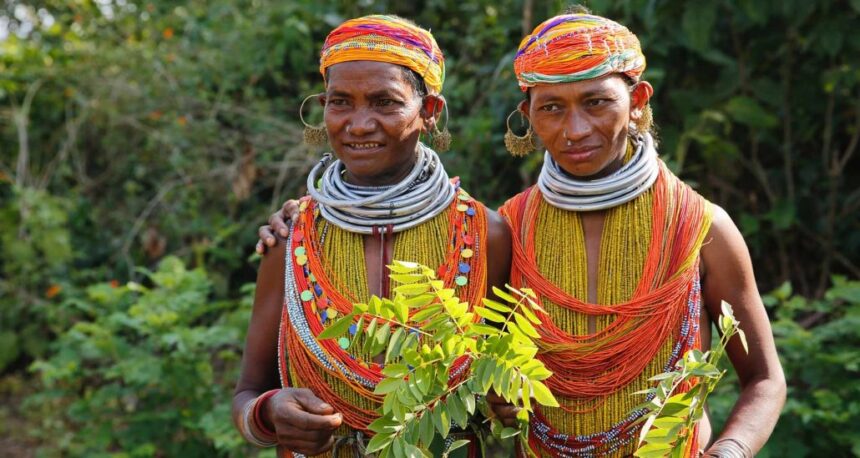
Every August 9th, the world commemorates the International Day of the World’s Indigenous Peoples, a date established by the UN in memory of the first meeting of the Working Group on Indigenous Populations held in Geneva in 1982. This day seeks to make their struggles visible, recognize their rights, and promote actions that guarantee the preservation of their cultures, languages, and territories.
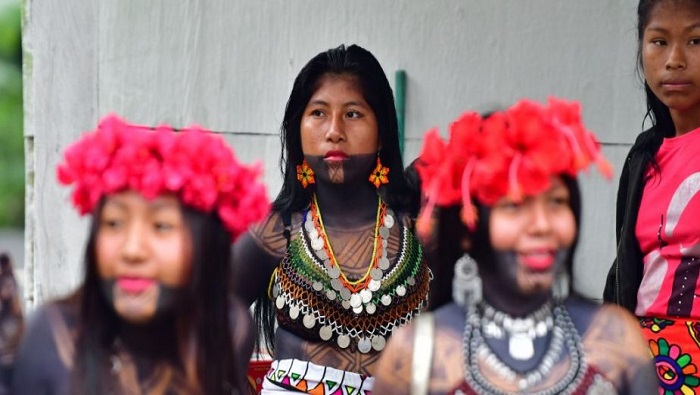
In 2025, the theme is: “Indigenous Peoples and AI: defending their rights for the future”,
an invitation to ensure that the technological revolution does not leave behind those who, for centuries, have cared for the earth and the cultural diversity of humanity.
Diversity and resilience
Currently, around 476 million Indigenous people live in 90 countries, representing 6% of the global population. However, they make up at least 15% of the poorest people on the planet. Their cultures, knowledge systems, and ways of life are unique, and they maintain a deep and sustainable relationship with the environment.
Historically, they have fought for the recognition of their identities, the protection of their territories, and control over their natural resources. The international community today recognizes the need for special measures to guarantee the preservation of their rights and cultures.
Current challenges
The figures reflect structural inequality:
More Read


- 47% of working Indigenous people have no formal education, compared to 17% of their non-Indigenous peers. The gap is even wider for women.
- More than 86% of Indigenous people work in the informal economy, compared to 66% of the non-Indigenous population.
- They are nearly three times more likely to live in extreme poverty than their non-Indigenous counterparts.
Despite being guardians of the majority of the nearly 7,000 languages that exist in the world, and inhabiting territories key to biodiversity, Indigenous Peoples continue to face serious violations of their rights.
Indigenous Peoples and Artificial Intelligence: Defending Their Rights for the Future
Artificial intelligence (AI) is transforming the world at an unprecedented speed. For Indigenous Peoples, this advancement represents a paradox: it can be a powerful tool to revitalize cultures, empower youth, and adapt to climate change, but also a factor that intensifies exclusion, prejudice, and the misrepresentation of their realities.
Opportunities and risks
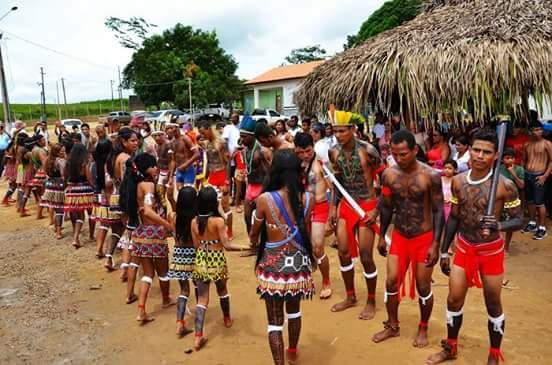
AI offers significant possibilities for Indigenous communities. From language preservation to environmental monitoring, its potential is undeniable. However, most models are developed without the participation of these communities, which increases the risk of misuse of their data, knowledge, and identities.
More Read

Furthermore, the installation of large-scale data centers in their territories can generate environmental and social impacts, affecting their lands, resources, and ecosystems. Added to this is the persistent digital divide in rural areas, which limits Indigenous participation in the design and use of AI.
The role of Indigenous Peoples in AI
To harness the full potential of this technology, it is essential to recognize Indigenous Peoples as rights-holders, co-creators, and decision-makers. True inclusion, data sovereignty, and innovation rooted in their cultures are essential elements for AI to serve as a tool for empowerment rather than marginalization.