Carlos Alberto Lindao Vera lives in Puerto El Morro, a coastal rural parish of Guayaquil, and in recent weeks his name became national conversation due to a figure that disorients even longevity specialists: 123 years old. According to his identity card, he was born on October 17, 1902. That date, repeated in recent reports and coverage, is today the main public support for his age and the starting point of a story that mixes physical work, life in the mangrove, and a pending last wish. In a country accustomed to great stories happening in the capital or in government palaces, Lindao’s emerges from the estuaries of the gulf. The media that have visited him describe him as a thin, active man, who still moves independently and retains lucidity. On December 11, 2025, the Municipal Council of Guayaquil honored him in a solemn session and officially made him, locally, a symbol of “long life” and human dignity. According to Primicias, the recognition highlighted his work history and his connection with El Morro, where he has spent practically his entire existence.
The image that feeds the legend is not that of an immobile old man, but that of a man who still gets into a canoe, travels the estuary and continues to be dedicated to an almost disappeared trade: the artisanal production of charcoal, historically associated with the life of the mangrove. According to El Universo, during the municipal act it was mentioned that Lindao continues to be active, sails through the estuary and works in the production of charcoal. Expreso, on the other hand, underlines that he attributes his longevity to a life of constant physical work and a simple diet, “free of chemicals”, in his own words and in the account of his environment.


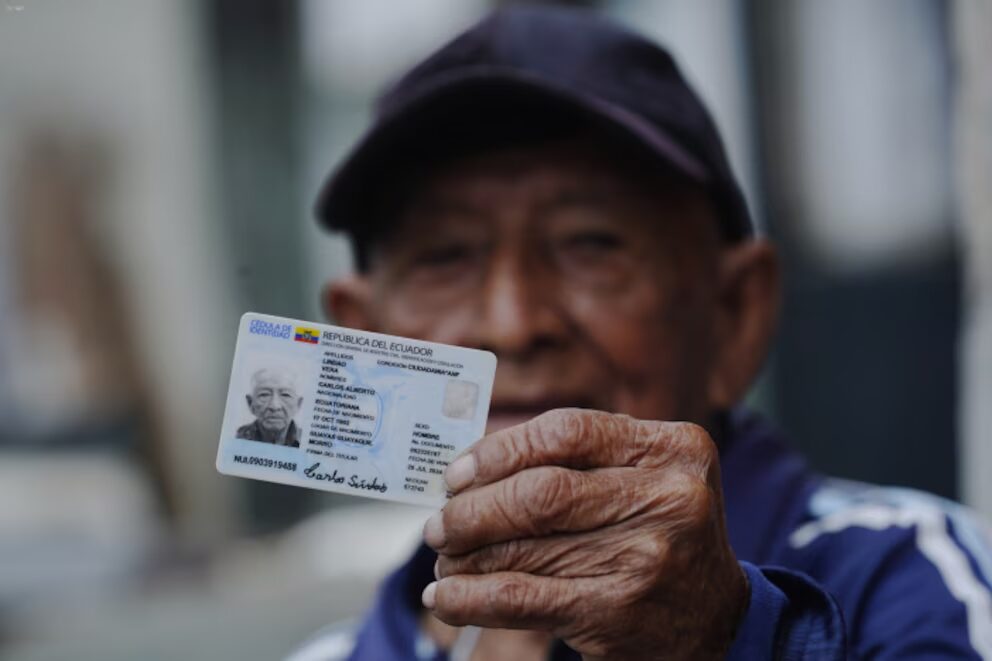
While that verification is pending, Lindao’s life is best told from the ground: the routine, the memory, and the family thread that fails to close. According to Primicias, her last wish is to reunite with the son she had as a teenager and whom she never knew. That element —the search for a son who could be more than a century old today— places her longevity not as an isolated feat, but as a reminder of the time lived and the accumulated losses: a biography marked by absence and persistence.
In the Council, the tribute functioned as a gesture from the city towards a rural history: Guayaquil recognizing a man from its periphery, from estuaries and mangroves, who survived complete generations and still endures in work. Carlos Lindao, for now, is two things at the same time: a man from El Morro whose identity document places him in 1902 and a story that still has to overcome the threshold of international certification if it wants to become a record. Between both planes —that of paper and that of life— remains a powerful scene: an Ecuadorian who, at 123 years old, still moves as if time were a navigable river and not a statistic.