Santiago.- The National Central of Transport Workers (CNTT) denounced this Wednesday during an assembly with the main leaders in this city the current challenges facing the transport sector, including the increase in fuel prices, the high cost of medicines and mass consumption products, and the alleged exclusion of traditional drivers in the allocation of routes and state subsidies
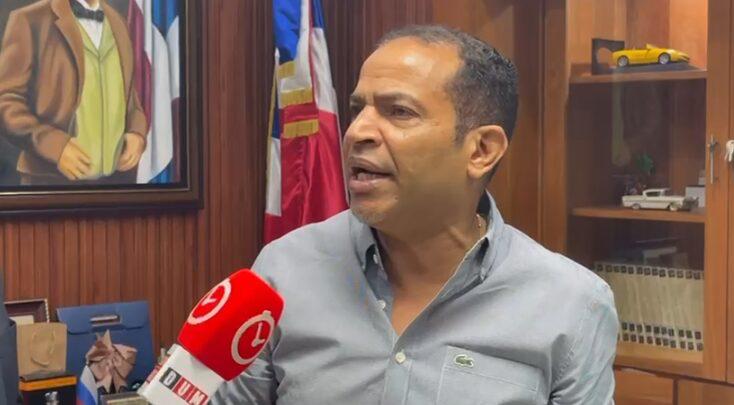
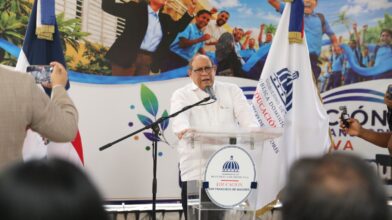
During the activity, the president of the CNTT, Juan Marte, launched strong criticisms towards the authorities of the transportation sector and the Ministry of Industry, Commerce and Mipymes (MICM), where he described as a “false subsidy narrative” and an unfair distribution of resources destined to compensate for the rise in fuels.
“La República Dominicana paga el combustible más caro de América Latina. A pesar de que el gobierno dice que subsidia el gasoil cada fin de semana, la realidad es que el barril de petróleo ha bajado por más de un año y siete meses, pero los precios se mantienen excesivamente altos para los transportistas”,
señaló Marte.
Likewise, the leader asserted that the government has disbursed more than 9,000 million pesos in subsidies for the gallon of diesel, supposedly delivered to transport leaders, but that aid “has not reached the average driver, the one who really moves the Dominican people“.
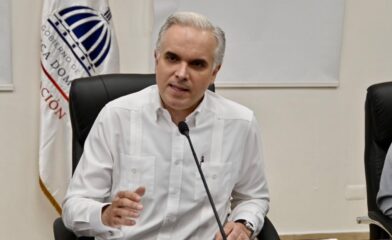
In that sense, he denounced that the government monthly delivers 80 million pesos in fuel cards (known as “BonoGAS cards”), many of which are not in the hands of the transporters who really need them. “It’s time for the Minister of Industry and Commerce to explain to the country why this pricing formula remains obscure and unfair“, he expressed
In the meeting, the union leader and CNTT affiliates also discussed the issue of the incursion of new bus routes in Santiago, which, according to Juan Marte, have been granted without taking into account the legally established associations that have been operating on the routes for years.
“Se están entregando rutas a espaldas de los transportistas tradicionales, sin diálogo, sin respeto a los derechos adquiridos, y eso tiene al sector muy preocupado”,
refirió.
During the event held in one of the halls of the Hotel Matum, Darlinda Santana, president of the School Transportation Association, also participated, who valued the space as an opportunity to express the difficulties faced by different subsectors, including taxis, concho, student transportation, and light cargo.
“We are here to listen to each other, to seek joint solutions, because the situation is affecting every mode of transport. For me it is an honor to be here and to feel the support of all my colleagues,” Santana stated.
Tense atmosphere and police presence
The day unfolded in a tense atmosphere. Both inside and around the venue, a significant presence of National Police officers was observed, including several patrols, which was interpreted by some attendees as an attempt to dissuade or monitor the mobilization of the transporters.
Upcoming actions and social agenda
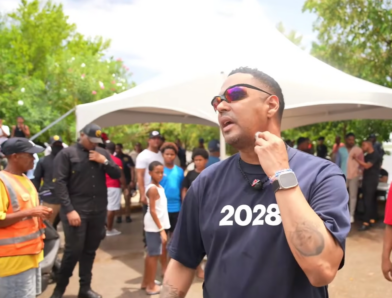
The president, CNTT announced that this assembly is part of a national listening and mobilization day, which will include meetings with popular communities and social organizations in different parts of the country.
“Esta jornada es para caminar junto al pueblo, para luchar con él en los temas que le duelen. La CNTT no se limita al transporte; somos una fuerza social comprometida con la justicia y el desarrollo”, concluyó Marte.