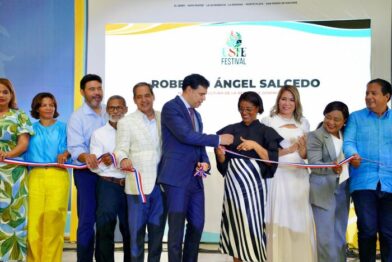
Puerto Plata.- The inauguration of the Ruta del Encuentro de Dos Civilizaciones (Meeting of Two Civilizations Route) in La Isabela Histórica marks a milestone in the preservation of Dominican historical memory and opens a new stage for cultural tourism on the north coast of the country.
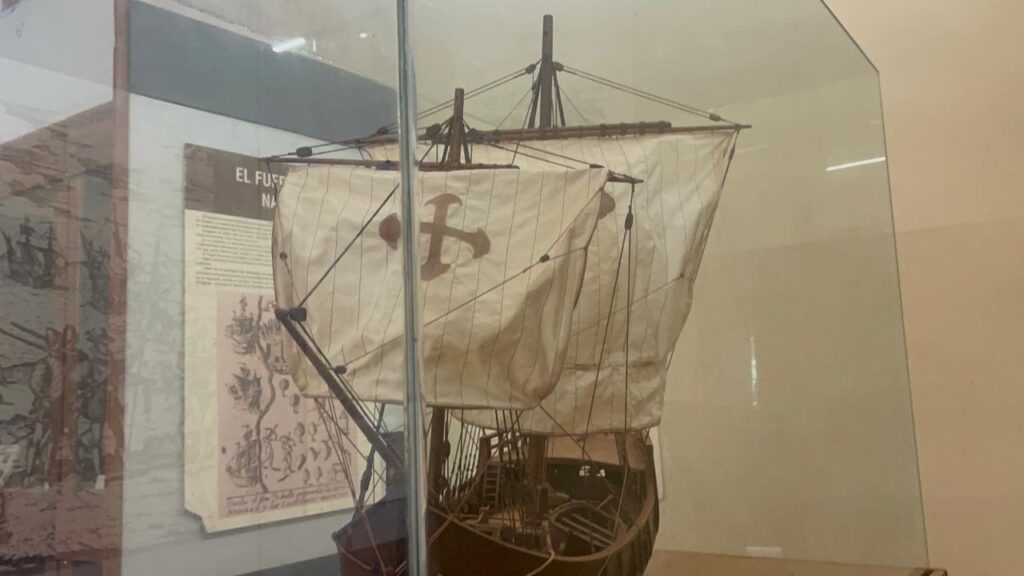
This project rescues one of the most emblematic spaces from the beginning of European colonization in America, where in 1493 Christopher Columbus and his companions established the first European settlement in the New World.
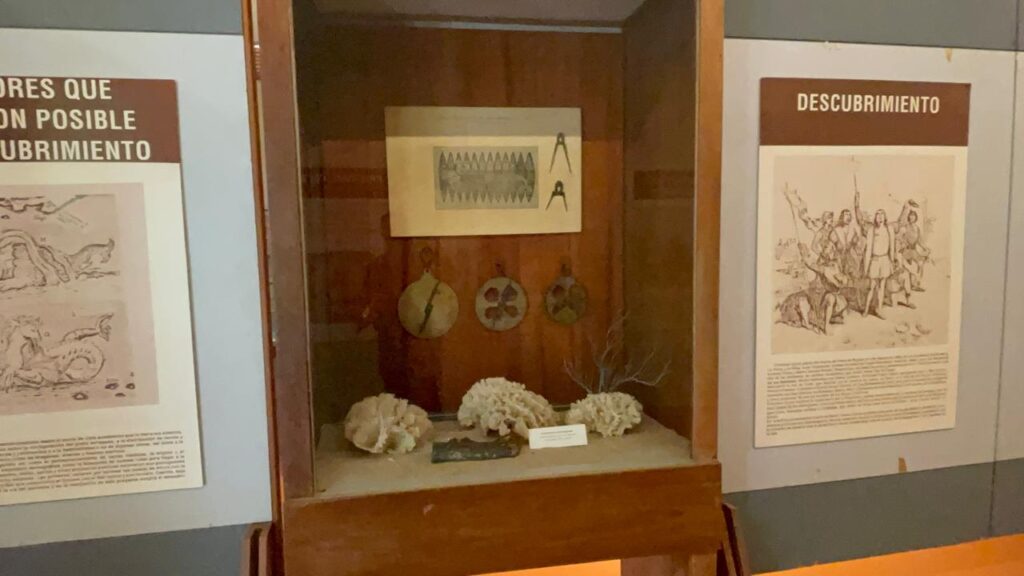
The refurbishment of the area and the Museo de La Isabela highlights the archaeological remains still preserved at the site, including tools, utensils, and structural remains used by the Spanish expeditionaries, pieces that narrate the beginning of the contact between two civilizations and the profound historical impact that this encounter generated.
In the museum, visitors can appreciate objects that reflect the daily life of the colonizers, as well as material evidence of the process of occupation and adaptation in American lands. These elements, properly preserved and exhibited, constitute tangible evidence of one of the founding chapters of Dominican history and the continent.
Beyond its historical value, the reopening of this route aims to strengthen cultural and educational tourism in the Dominican Republic, especially in Puerto Plata, a province that has been one of the main engines of national tourism development. The authorities and project managers are betting that this initiative will contribute to diversifying the tourism offer in the area, traditionally known for its beaches, by incorporating a historical component that attracts national and foreign visitors.
The Route of the Encounter of Two Civilizations seeks to strengthen La Isabela Histórica as a mandatory reference point for those who wish to know the origins of the country and understand the process of cultural mixing that shaped the Dominican identity. With this renovation, Puerto Plata reinforces its positioning as an integral destination, where history, culture, and sustainable tourism development converge.