Ombudsman’s Office calls on guerrillas to cease violence and allow humanitarian aid in Catatumbo, Colombia

Arelis Suero
Periodista egresada de la Universidad Autónoma de Santo Domingo (UASD). Le gusta escribir sobre política e historias humanas que puedan transformar vidas. Actualmente cursa un master...
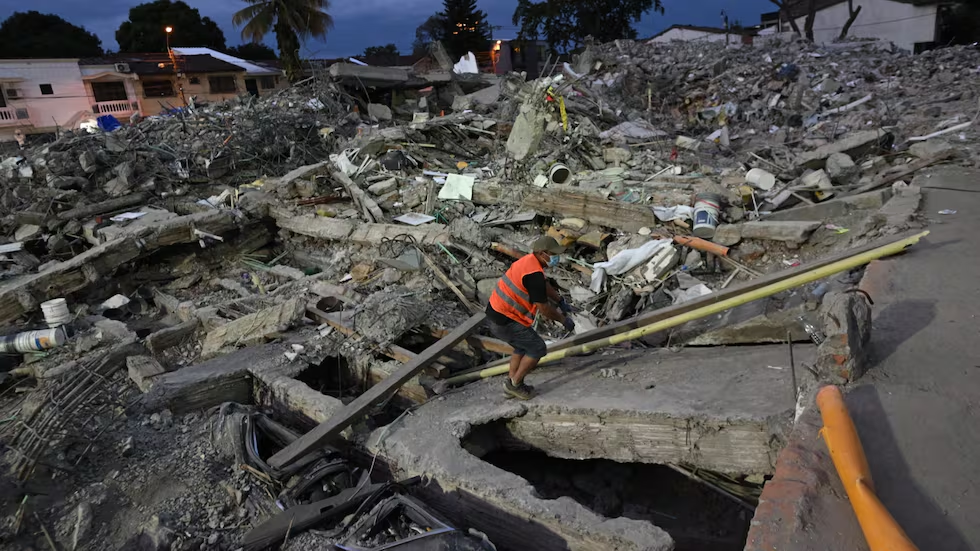
Bogotá.- Colombia’s Ombudsman’s Office asked this Monday the National Liberation Army (ELN) guerrilla and a dissident group of the FARC to “immediately cease” armed clashes between them and allow humanitarian corridors to assist the population of the Catatumbo region, affected by violence.
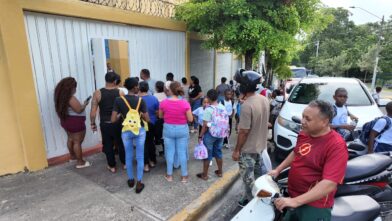
More than 250 people from Catatumbo —a region belonging to the department of Norte de Santander (northeast)— abandoned their homes and about 6,000 are at risk of confinement and displacement due to armed clashes between both illegal armed groups since last week in a rural area of Tibú.
The Ombudsman’s Office asked «the illegal armed groups, in particular the 33rd Front of the dissidents and the ELN, to immediately cease armed confrontations, adopt measures to protect the civilian population, respect IHL and avoid affecting communities and civilians in the Catatumbo».
The entity also requested the armed groups to “allow the activation of humanitarian corridors that result in actions in favor of the people affected by the hostilities”.
Periodista egresada de la Universidad Autónoma de Santo Domingo (UASD). Le gusta escribir sobre política e historias humanas que puedan transformar vidas. Actualmente cursa un master en Comunicación Política y Marketing Digital.