Throughout the decades, each generation has had its own urban tribes, labels, and exaggerated or incomprehensible movements.
In recent days, the word “therian” has become a trend on various social media platforms, due to its exaggerated form of expression, sparking fascination, curiosity, and criticism because of the magnitude of its outlandish costumes. Therians are defined as people who identify, on a psychological or spiritual level, with a non-human animal. This is a social and cultural phenomenon that does not imply a physical transformation or the belief of possessing a different body, but rather an internal experience of identity. The term comes from the English therianthropy, which in turn derives from the ancient Greek therion which means beast or wild animal, and anthropos. Thus, the term refers to the spiritual ability to transform into an animal, but this transformation would not occur physically, but rather by experiencing an inner connection with a specific animal, not necessarily linked to an artistic or recreational practice. The leap to popularity of therians came with the rise of social media, and it is common to see young people imitating animal movements and sounds, or running on all fours. Therians are often confused with furries, but they are distinct social phenomena. The furry fandom is a subculture centered on the fondness for animal characters with human characteristics. However, this does not imply that they believe they are that animal, in the same way that a cosplayer does not consider themselves to actually be the character they are portraying.You can also read: Announce possible gathering of Dominican “therians”
But this is not the first time that a movement or “culture” generates bewilderment or controversies.

Why are these trends so shocking to those who are not part of them? In part, because youth always strains cultural boundaries. The new challenges the established. In addition, constant exposure on networks amplifies any minority practice, making it seem massive or threatening.
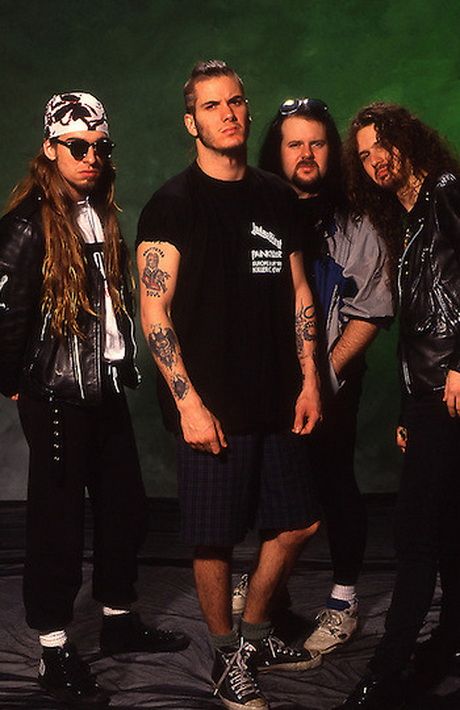
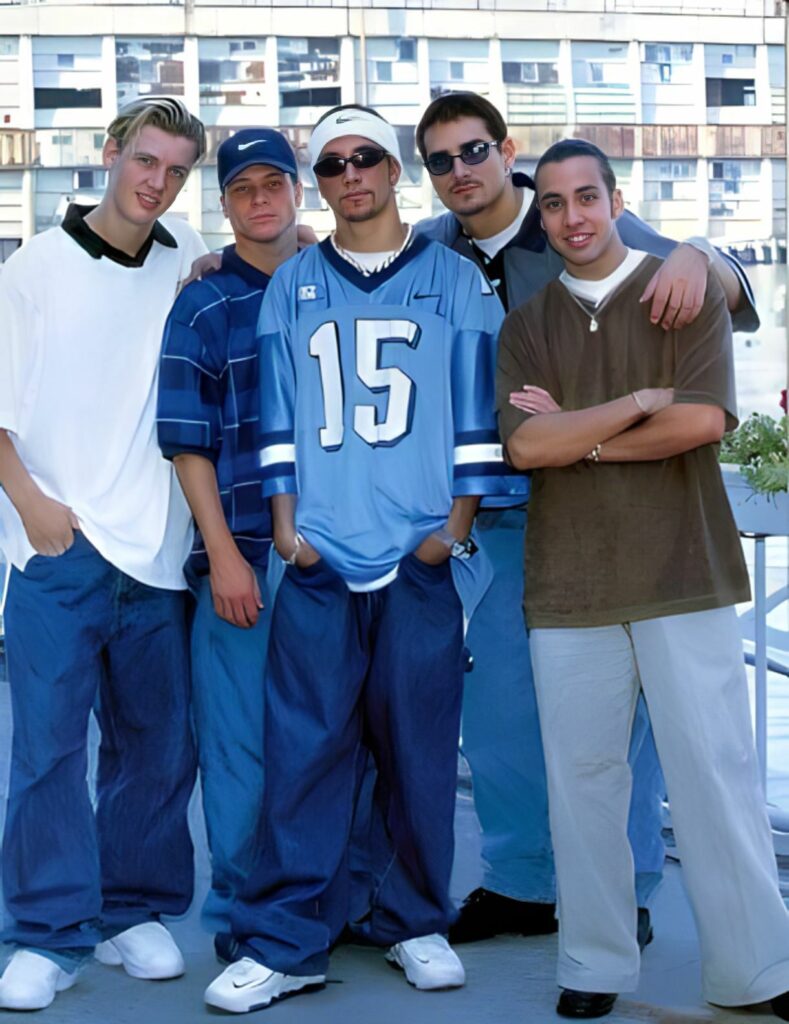
However, beyond the striking aesthetics or sensationalist narratives, the constant is the same: “the search for identity.” Adolescence and youth are stages of experimentation.Deep down, therians, metalheads, emos, the “you”, share something essential: the need to be seen and recognized. Each generation builds its own narrative to face the challenges of its time. What seems extravagant today will be historical anecdote tomorrow.