The UN Refugee Agency (UNHCR) urgently called on the international community to support Honduras in caring for more than 423,000 people displaced by violence and natural disasters, a problem that continues to affect thousands of families in the Central American country.
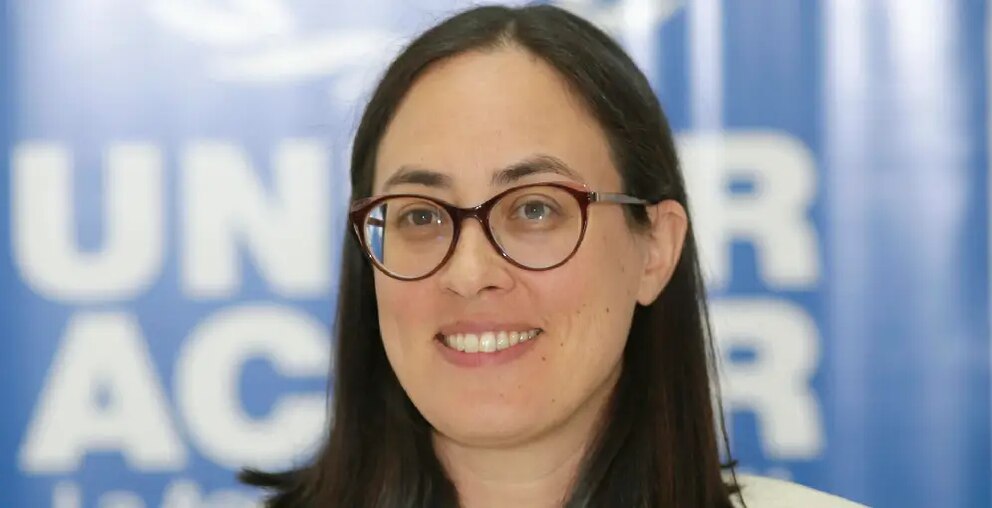
In an interview given to EFE in Tegucigalpa, the UNHCR representative in Honduras, Kathryn Lo, warned that the phenomenon of internal forced displacement cannot be addressed solely by the Honduran State, but requires a comprehensive and coordinated response between authorities, international organizations, communities, and civil society.
“I believe it’s a job that truly requires the collaboration of communities and the State at all levels; international cooperation, affected communities, the whole society, because it’s a phenomenon that really affects the whole country,” the official expressed.
The statements by Lo come in a context marked by the increase in displacements caused both by criminal violence and by extreme climatic events that recurrently affect Honduras, one of the most vulnerable countries in Latin America in the face of natural phenomena.We recommend reading:18 victims have been rescued in Honduras for trafficking and child pornography
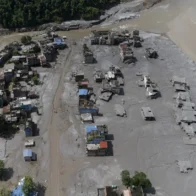
According to data from the Permanent Household Survey of Multiple Purposes, some 423,845 people, equivalent to 4.5% of the Honduran population, have been forced to leave their homes at some point in their lives due to threats, extortion, persecution by criminal groups, or natural disasters.Women and young people represent the majority of people affected by internal displacement in Honduras. (Photo: Courtesy)
For UNHCR, the officialization of these figures represents a significant step forward, as it allows for a clearer understanding of the magnitude of a problem that remained invisible for years.
More Read
Kathryn Lo highlighted that behind each number there is a human story marked by pain, uncertainty, and loss.

“Behind these figures we must remember that there are people. Each number represents a boy or girl who had to leave their school, or a father and a mother who made the difficult decision to leave their home to protect their family,” he emphasized.
Internal forced displacement primarily affects women and young people. According to UNHCR, around 55% of displaced people are women, many of them victims of gender-based violence, threats or persecution. Likewise, close to 38% corresponds to young people between 15 and 34 years old, a sector highly vulnerable to recruitment by criminal structures and social exclusion. The situation becomes even more complex in rural areas and remote communities, where displaced families face enormous difficulties in accessing basic services, medical care, education, and employment opportunities. One of the main challenges highlighted by UNHCR is the effective implementation of the Law for the Prevention, Attention and Protection of Internally Displaced Persons, approved by Honduras in 2022. Although the regulations were considered a historic step in recognizing the problem, their application still faces significant delays. The lack of safe schools increases the risk of educational exclusion and forced recruitment of displaced children. The UNHCR representative indicated that it is urgent to approve the law’s regulations and activate the fund for humanitarian assistance contemplated in the regulations to guarantee immediate attention and lasting solutions for the victims.“Many state institutions are working on the response and prevention, but there is much more they can do, for example, advance with the national policy of prevention of forced displacement,” said Lo.
More Read
UNHCR also warned about the situation of some 163,000 people living in double vulnerability.
These are families fleeing violence who end up settling in areas prone to flooding, landslides or other climate risks, or people initially affected by natural disasters who are then exposed to contexts of insecurity and criminality. In this scenario, the United Nations agency considers it essential to design differentiated responses that integrate humanitarian assistance, protection, and sustainable development strategies. The situation of displaced women is another of the aspects that most concerns the international organization. Many of them face risks of sexual violence, exploitation, and discrimination, especially when they have to move to unknown communities or makeshift settlements.You can also read: Wave of violence leaves three women murdered in less than a day in Honduras
Therefore, UNHCR insists on the need to create safe and accessible services, particularly in rural areas, where infrastructure and state care limitations are greater.In the case of children, the agency warned that displacement increases the risks of school abandonment, educational exclusion, and forced recruitment by criminal groups.
The lack of safe schools and psychological support programs deepens the emotional and social impact on thousands of minors.