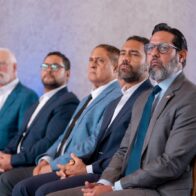
Santo Domingo.- The recent statement by U.S. Secretary of State Marco Rubio regarding the revocation or denial of visas to foreign officials who participate in acts of censorship against U.S. citizens has generated reactions among Dominican lawyers.
Several lawyers have expressed their support for this measure, highlighting the sovereign right of each country to protect the interests of its citizens.
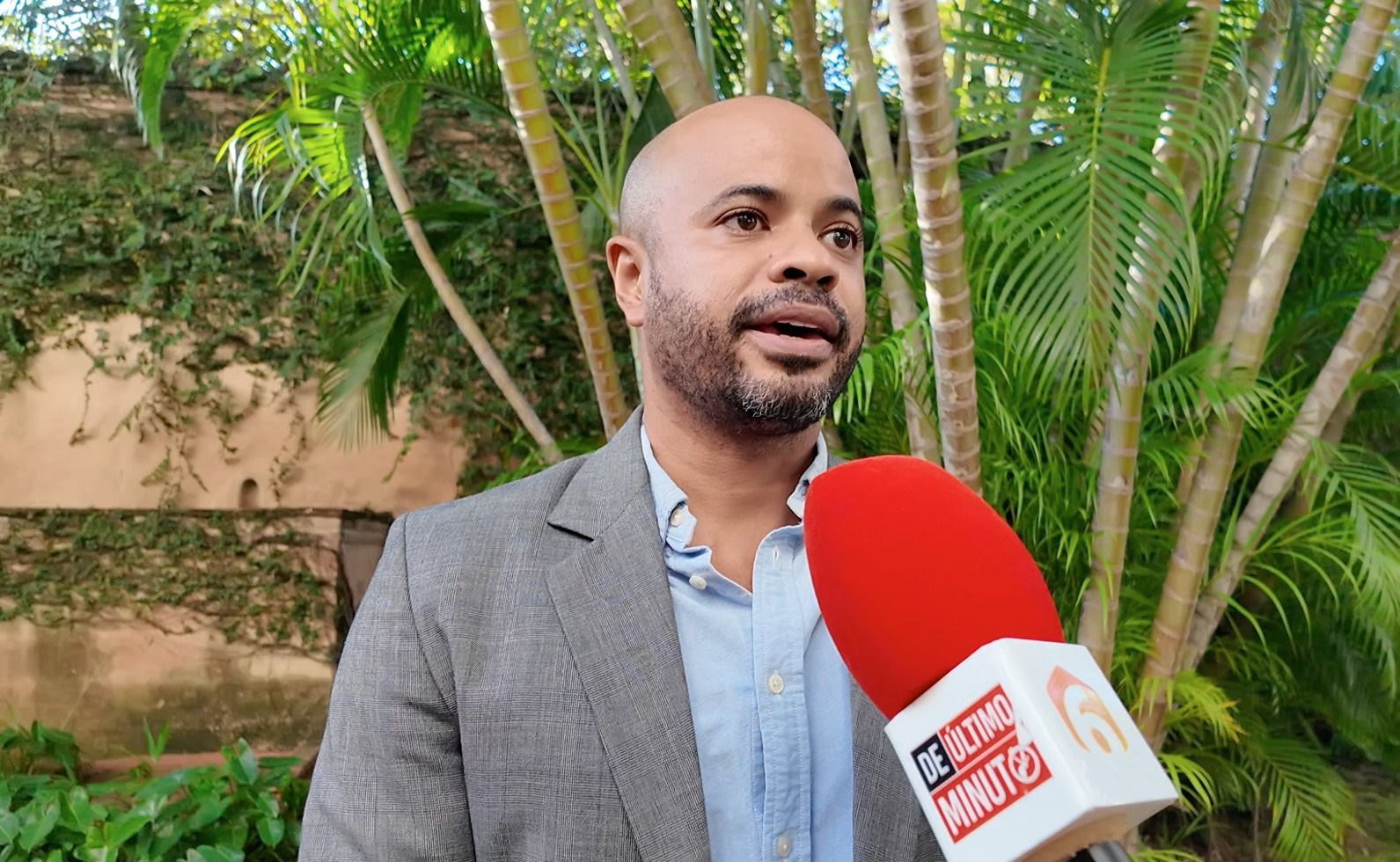
In that sense, the president of the Dominican Association of Lawyers (ADOMA), Jhonny Aristy Tejeda, maintained that “States are sovereign when it comes to implementing policies that will protect the interests of their citizens.”
In that order, he considered that Rubio’s statements should be respected, as they correspond to legitimate decisions of the American government.

“We, as the Dominican Republic, also as a sovereign state, can have our conditions when establishing mechanisms against certain types of censorship,” Aristy pointed out.
More Read
For his part, lawyer Edward Moreno agreed on the need for caution, especially in relation to the current debate on the Organic Law on Freedom of Expression and Audiovisual Media
that is being discussed in Congress.
“The policy announced by Rubio is a clear response to the censorship that American citizens have faced in countries like Saudi Arabia, the United Kingdom, and Brazil,” he explained.
Moreno warned that if the proper safeguards are not included in Dominican legislation, a jurisdictional conflict with the United States could arise, especially due to provisions that require foreign platforms with a large audience in the country to submit to prior registration. “Care must be taken when legislating so as not to clash head-on with judicial systems of other countries,” he pointed out.