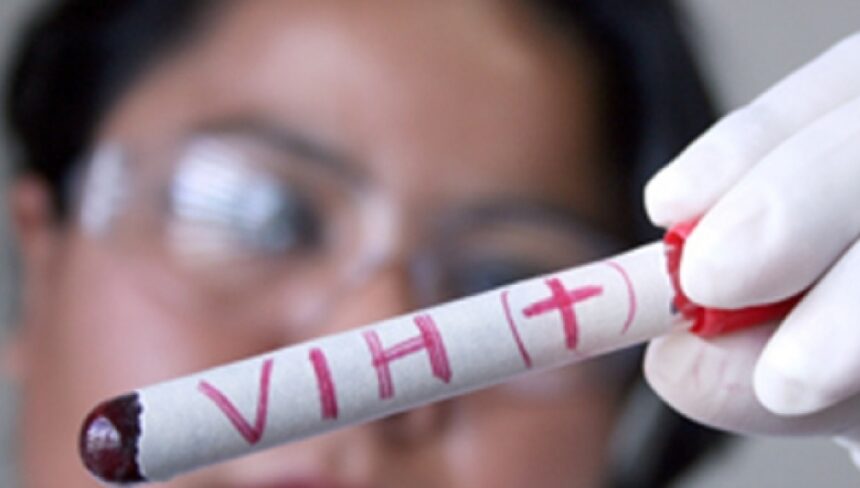
The government of Fiji has declared HIV a national crisis after new diagnoses increased by 27% last year, according to a government statement cited by Reuters.
A total of 2,016 people were diagnosed with HIV in Fiji in 2025, while authorities estimate that one in every 60 adults in the country is living with the virus.
The government also reported that 59 babies were born with HIV last year, with 18 dying before reaching their first birthday.
Authorities said expanded testing helped identify more infections and allowed patients to begin treatment earlier.
Fiji plans to expand access to free, voluntary and confidential HIV testing, preventive medications and treatment, as well as harm-reduction services for people who inject drugs.


With a population of around 900,000, Fiji is experiencing one of the world’s sharpest increases in new HIV infections, according to UNAIDS. The agency estimated that 9,100 Fijians were living with HIV last year, but only 39% knew their status and 22% were receiving antiretroviral treatment.
“Fiji has recognized the urgency of the moment and is intensifying its response,” UNAIDS Executive Director Winnie Byanyima said.
She added that the situation is also a reminder that AIDS remains a global public health concern.
More Read
Among cases with a known transmission route, UNAIDS reported that more than half were linked to sexual transmission, while more than 42% were associated with injecting drug use.
UNAIDS welcomed Fiji’s plans to introduce a needle and syringe program and expand access to pre-exposure prophylaxis, or PrEP, as part of the country’s response to the growing number of infections.