
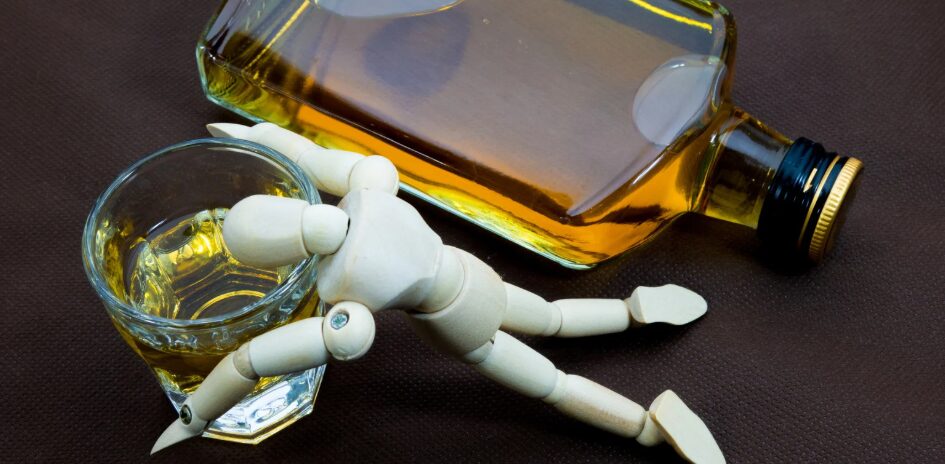
London.– The rise of remote work since the pandemic has led to a worrying increase in secret alcohol consumption, according to a new survey cited by Daily Mail and prepared by The Priory, a private provider of mental health services and addiction treatment in the UK.
Research indicates that more than a quarter of workers have increased their alcohol consumption since they started working from home, while one in six people believe that someone close to them is drinking more since they stopped going to the office. According to the data, 17% of respondents have sought help for addiction in the last three years, and 26% express concern about the alcohol consumption habits of a family member or friend. Only in the period 2023-2024, more than 30,000 adults in England received treatment for alcohol-related problems, the highest figure recorded since 2009. Debbie Longsdale, psychotherapist and director of therapy services at The Priory, explained that the flexibility of teleworking can facilitate risky behaviors.“With fewer demands for in-person work, many people organize their work day as they please, and that same freedom can extend to alcohol consumption,” he/she noted.
Since the beginning of the lockdowns in 2020, The Priory has recorded an increase of nearly 30% in requests for alcoholism treatment.

You may be interested in: Thailand lifts the ban on evening alcohol sales after 53 years of veto
The warning coincides with the participation of some 17.5 million people in the United Kingdom in the so-called “Dry January”, an initiative that promotes abstinence from alcohol throughout the month. However, experts warn that this practice could lead to a pattern of “bingeing or failure”, instead of a sustained reduction in consumption. Julian Braithwaite, CEO of the International Alliance for Responsible Alcohol Consumption, stated that a single month without drinking does not guarantee a lasting change.The British National Health Service (NHS) recommends not exceeding 14 units of alcohol per week, distributed over at least three days. However, one in four adults in England admits to exceeding that limit. Health authorities urge those who suspect they have a problem with alcohol to consult their GP, who can refer them to specialized services. According to the NHS, withdrawal symptoms usually disappear within a week, although professional support is key to avoiding relapses.“The most effective thing is to promote moderate and sustainable habits that allow reducing health risks without resorting to extremes,” he indicated.