Iran closed the Strait of Hormuz in mid-July, following new US bombings
Tehran.- Iran stated that the agreement reached with Oman for the joint reopening of the Strait of Hormuz will not take place until the United States complies with the commitments acquired in the Memorandum of Understanding.
“The Islamic Republic has reached an agreement with Oman on the conditions for transit through the Strait of Hormuz,” said Iranian Deputy Foreign Minister Kazem Garibabadi, in statements reported this Sunday by IRNA.
You might be interested in: The United States Army asserts that the Strait of Hormuz is cleared of mines and open
“However, this agreement will not automatically enter the implementation phase, as its application is conditioned on the fulfillment of commitments by the other party, specifically the United States,” added the politician.
Tehran’s conditions
Garibabadi asserted that if the United States does not comply with Tehran’s conditions, “Iran is in no hurry to open the strait and will maintain its defensive measures.”
Iran and Oman have reached an agreement for the establishment of a corridor for the transit of vessels in the Strait of Hormuz and its management by the two countries, but they had not reported until now that it depends on the United States accepting the conditions of the Persian country.
More Read


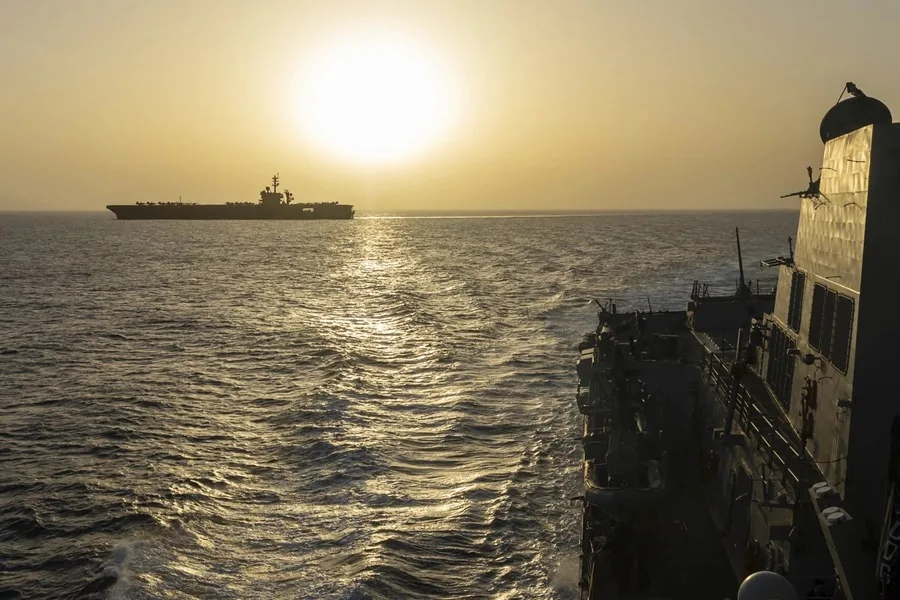
Those conditions are the ones agreed upon in the Memorandum of Understanding signed by Tehran and Washington in June, which include the end of the war on all fronts, including Lebanon, the lifting of the U.S. siege on Iranian ports and vessels, and the end of sanctions against the Islamic Republic.
Iran closed the Strait of Hormuz in mid-July, following new U.S. bombings against the south of Iranian territory, to which the United States responded by reimposing a blockade on Iranian ships and ports that is damaging the Persian country’s economy.
The Islamic Republic also insists on charging fees for navigation, security, and environmental services for transiting through the strait, through which 20% of crude oil circulated before the war, something that the United States opposes.
More Read

The Strait of Hormuz, between Iran and Oman, is one of the world’s main routes for oil and gas transport and has become one of the main flashpoints of the conflict between the United States and Iran.