

NEW YORK.– The 2026 World Cup is already beginning to reflect its economic impact in the United States. An analysis by Bank of America reveals that visitors traveling to host cities are boosting consumption, with spending 16.7% higher than that recorded by local residents during the tournament.
The report, based on transactions made with cards in the 16 host cities of the World Cup, indicates that total consumer spending increased by 6.3% compared to the same period of the previous year. The biggest boost comes from domestic and international travelers, who concentrate their spending on lodging, food, transportation, shopping, and recreational activities.
Impact of the 2026 World Cup
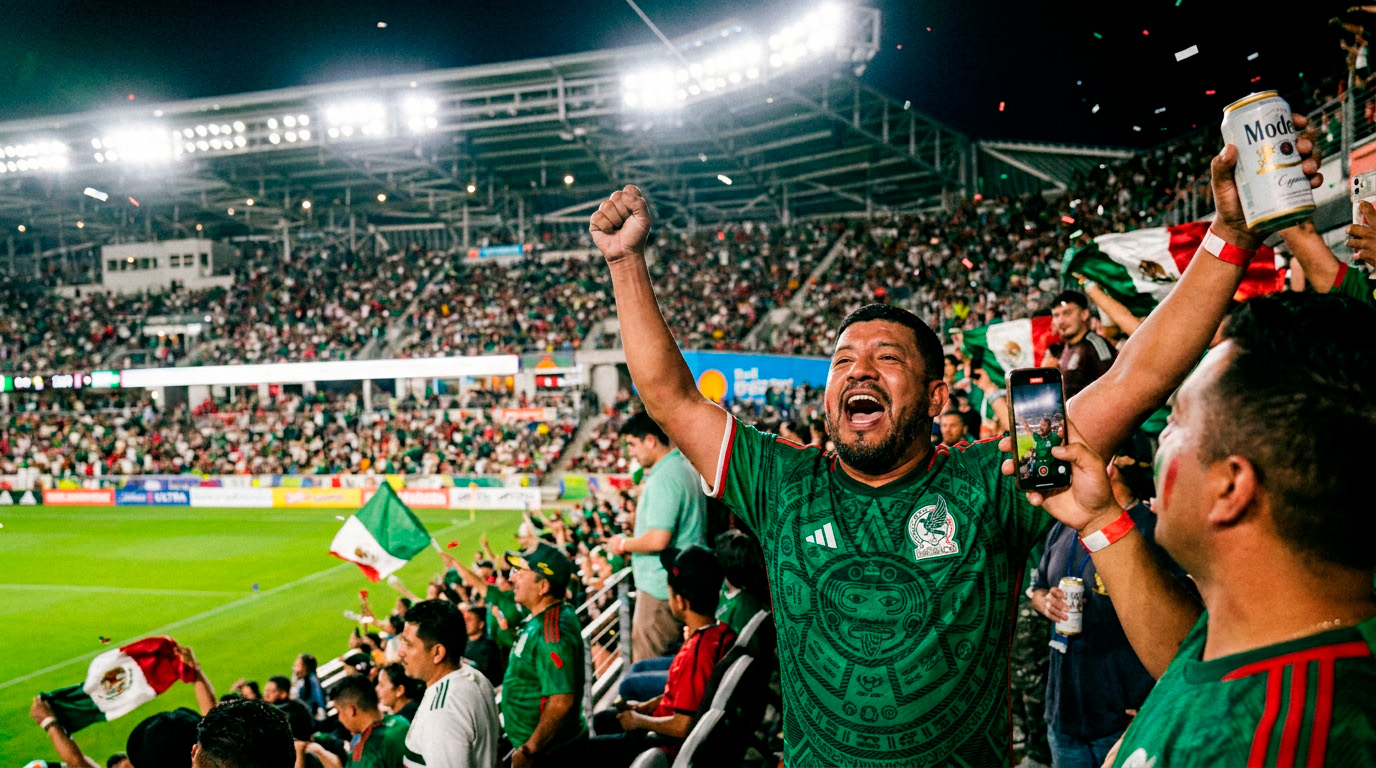
According to the report, this behavior confirms the immediate effect that major sporting events generate on local economies, by attracting thousands of fans who stay for several days in the cities where the matches are played. The hospitality, gastronomy, and retail sectors are among the main beneficiaries of the 2026 World Cup.
Economy and 2026 World Cup
Economic analysts point out that, although it is still early to measure the full impact of the tournament, initial indicators suggest that the competition is meeting expectations in terms of tourism and commercial activity. However, they warn that the economic effect of these events tends to be concentrated during the competition period and may vary between the different host cities.

The 2026 edition of the World Cup, the first with 48 teams and 104 matches, is being held in the United States, Mexico, and Canada. In addition to breaking attendance records, the 2026 World Cup is considered one of the greatest drivers of consumption for the region, with projections estimating billions of dollars in economic activity linked to tourism, commerce, and services.