

Causes of the increase in ticks in New York
According to researchers, the cause of the increase is linked to an ecological phenomenon that occurred in 2023: an abundant acorn harvest. This favored the reproduction of rodents such as mice and squirrels, which in turn served as hosts for tick larvae. “This generated a clear ecological chain: more food, more rodents, more ticks,” explained Joellen Lampman, a pest specialist at Cornell University.Tick-borne diseases
Cases of tick-borne diseases have also increased. In 2024, the following were reported:- 1,800 new Lyme cases
- 1,031 previously reactivated diagnoses
- 143 combined cases of babesiosis and anaplasmosis
Although many infections occur outside the city, experts from Columbia University point out that some people contract these diseases in urban parks or residential gardens, especially in Queens, the Bronx, and Staten Island.
Contents

What to do if a tick bites you?
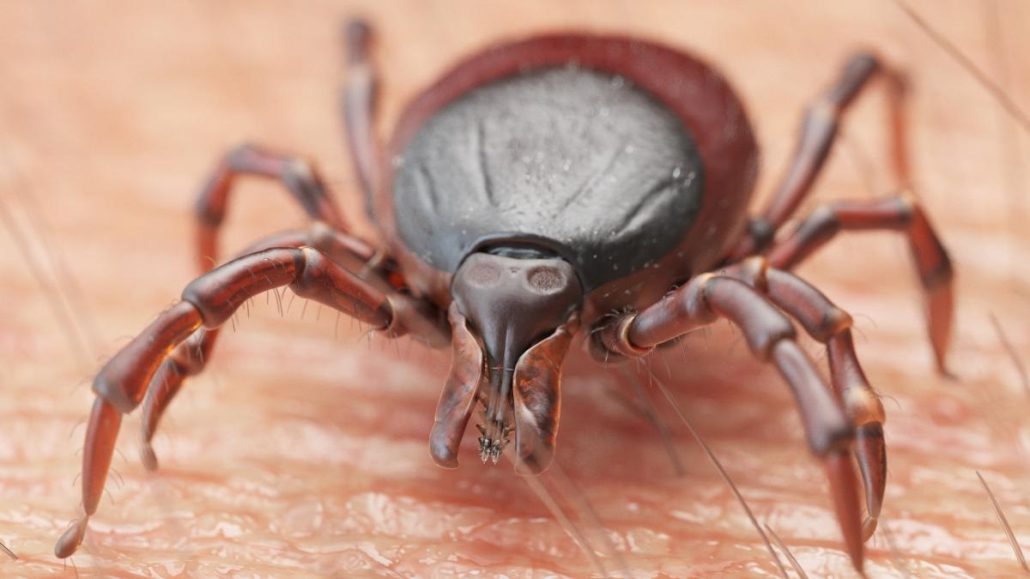
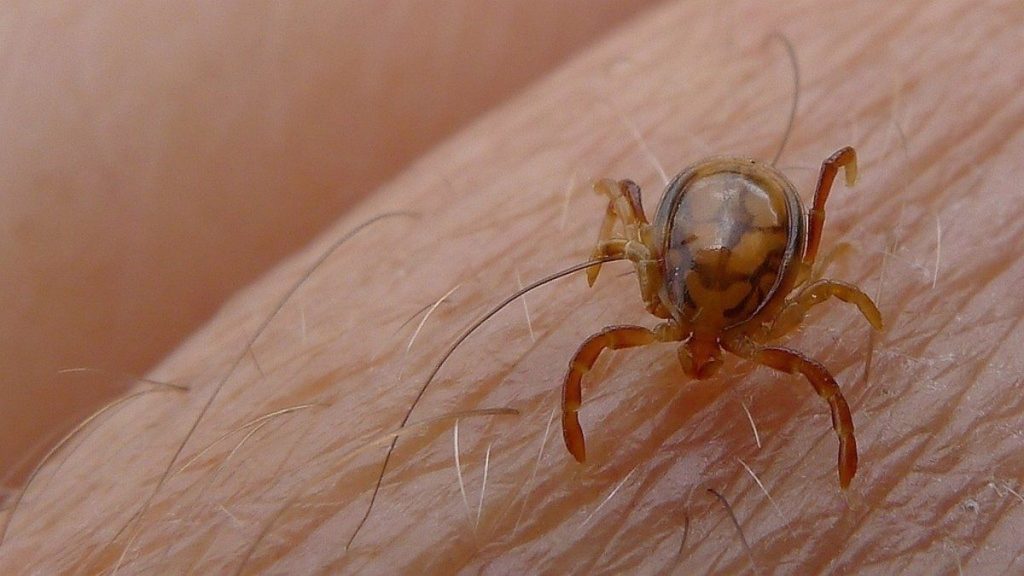
The CDC recommends removing it with fine-tipped tweezers, without twisting, disinfecting the area, and preserving the insect for analysis. It is also advised to see a doctor if symptoms such as fever, rash, or fatigue appear. The New York City Department of Health has identified activity of multiple tick species in the five boroughs. The most common are:- Ixodes scapularis (deer tick)
- Amblyomma americanum (lone star tick)
- Dermacentor variabilis (American dog tick)
- Haemaphysalis longicornis (Asian longhorned tick, invasive)
Some of these, like the lone star, are particularly aggressive and active even during the day.
The authorities recommend:
- Use specific tick repellent
- Avoid walking through tall grass
- Check clothing and body upon returning home
- Bathe within two hours of exposure
- Consult with veterinarians to protect pets