Lima.- The controversial law promoted in Peru to exclude police and military personnel who commit crimes during the exercise of their duties from common justice came into effect this Tuesday, facing rejection from human rights organizations, which see it as a mechanism of impunity for state agents responsible for deaths.
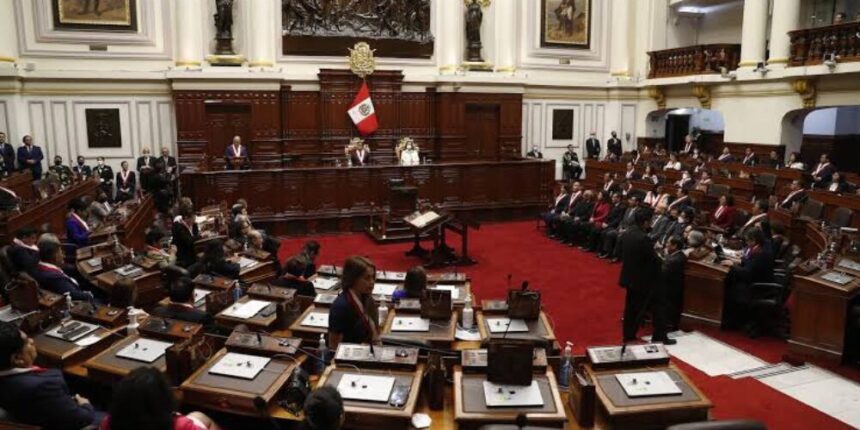
The regulation was published this Tuesday in the official gazette El Peruano, after it was promoted and enacted by the president of the Peruvian Parliament, the Fujimorist Fernando Rospigliosi, once the deadline for the interim president, José María Balcázar, to order its publication had expired.
Read more: Peru’s Congress enacts law excluding police and military from common justice
The text states that, under no circumstances, may criminal proceedings be pursued simultaneously in the ordinary jurisdiction and in the military-police jurisdiction against the same military or police officer when the facts and the subjects investigated or prosecuted are the same.

In that sense, it prioritizes that agents of the state forces be prosecuted and tried by police and military courts, respectively, composed of members of the same institution, instead of by judges of the ordinary justice system.
More Read
This law is in addition to others promoted by the current Peruvian Parliament, at the initiative of Rospigliosi, such as the amnesty for police officers, military personnel, and civilians who were members of self-defense committees who were being prosecuted or convicted for crimes committed during the internal armed conflict against the subversive groups Shining Path and the Túpac Amaru Revolutionary Movement (MRTA).
Also to the regulation that creates the crime against humanity so that those responsible for human rights violations cannot be prosecuted or convicted retroactively for acts committed before the establishment of the crime in Peru.
Organizations such as the National Human Rights Coordinator (CNDDHH) and Amnesty International (AI) have successively warned about the situation of impunity that may be created by these laws for those responsible for crimes against humanity in the country, mainly by agents of the National Police and the Armed Forces.