Read more: Donald Trump urges Israel to refrain from dropping bombs
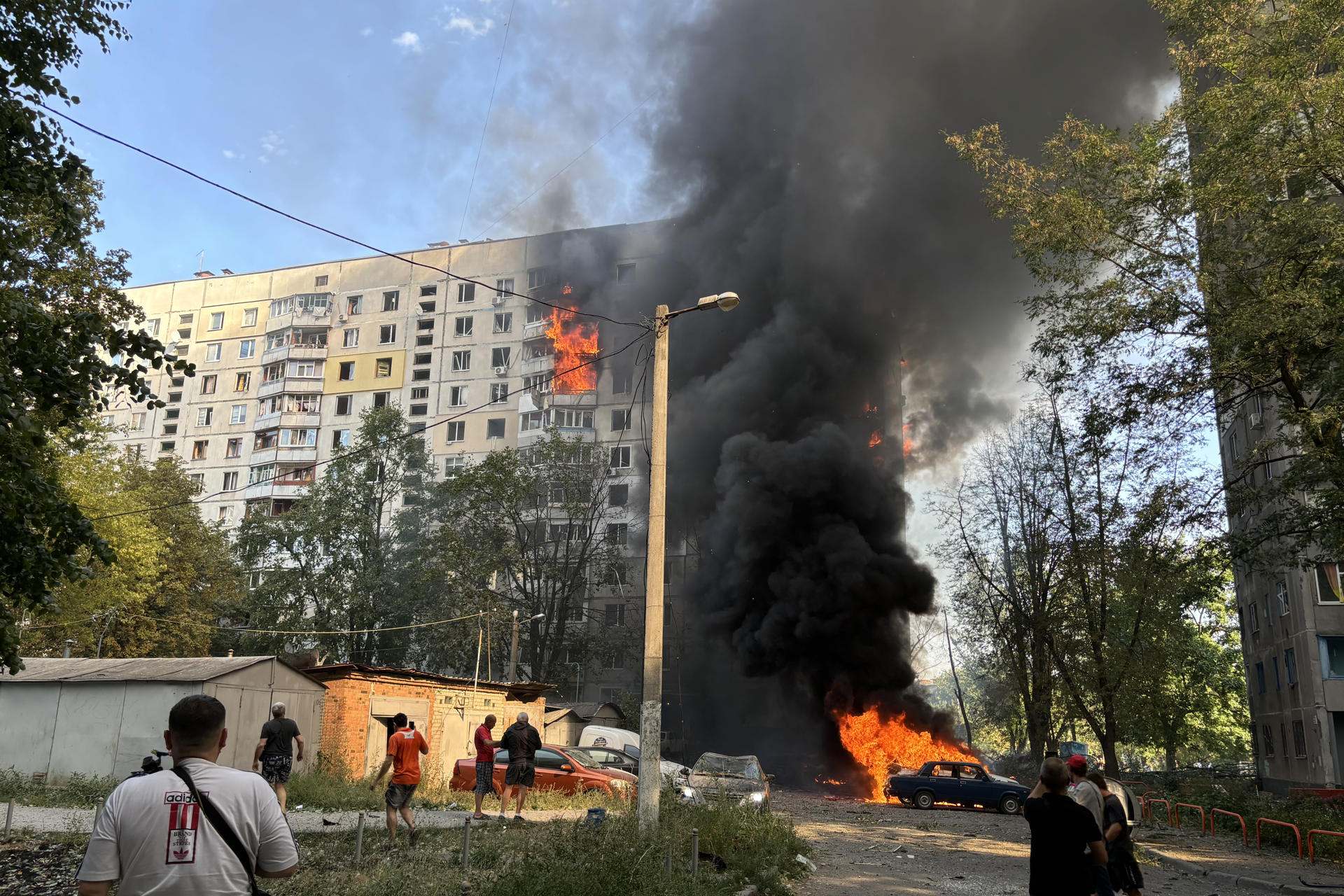
Many of these dead and wounded were victims of the Russian Shahed drones, a technology transferred by Iran at the beginning of the war that Moscow already produces in series. In addition to increasing the number of Shahed drones used in each attack, Russia has resorted to new tactics – such as flying them at higher altitudes and simultaneously launching dozens of replicas without explosive charges to confuse the enemy – to circumvent Ukrainian defenses, which have gone from intercepting 100% of the drones in each attack to neutralizing just over 80%. The improvement of Russian techniques is compounded by the growing shortage of ammunition on the Ukrainian side.When the drones flew at a lower altitude they could be shot down with machine guns that do not reach the Shahed when they enter Ukrainian airspace two kilometers from the ground, so missiles are needed, a much more expensive and difficult to obtain ammunition.
Contents

European Money in the Face of US Flight
To address this deficit, Kyiv has developed radioelectronic interception systems that cause a significant number of drones to lose their course and fall without causing damage in each of these attacks. According to Ukrainian President Volodymyr Zelenskyy last month, the Ukrainian army has also begun to use interceptor drones that shoot down their enemy counterparts from the sky at a lower cost than missiles. All these innovations are taking shape in Ukraine at breakneck speed thanks, in large part, to the money that European countries are injecting. With a military industry currently unable to meet the growing demand arising from Ukraine, Europeans are betting on contributing money to a Ukrainian defense sector that can bring to the continent the dynamism, competitiveness, and real-world war experience that Europe lacks.Artificial Intelligence vs. the Shahed
With its unique model of public-private cooperation, Ukrainian engineers have developed under the name ‘Sky Sentinel’ an AI-controlled cannon that automatically fires at any target that enters its range and is capable of shooting down both Shahed and subsonic cruise missiles.This system has already begun to shoot down Russian drones and should begin mass production with the help of donations raised by, among others, platforms such as the governmental United24, which requests funds on its website to put an end to the “never-ending nightmare” that the flight of the Shahed drones represents for millions of Ukrainians, waking them up every night and having already killed or injured hundreds of compatriots.
The destruction caused by the Shahed drones in residential buildings is evident after many attacks at the crash site, where affected neighbors contemplate with desolation the damage caused or cry inconsolably over the death of a loved one. Another less mediatized consequence of the loss of effectiveness in interceptions is the impacts against military installations, factories that supply the Ukrainian Army or other infrastructures related to Kyiv’s war effort, which must better protect this type of installation to continue facing the Russian invader on the front line.