
UNICEF calls for strengthening the quality of maternal and neonatal care in the Dominican Republic
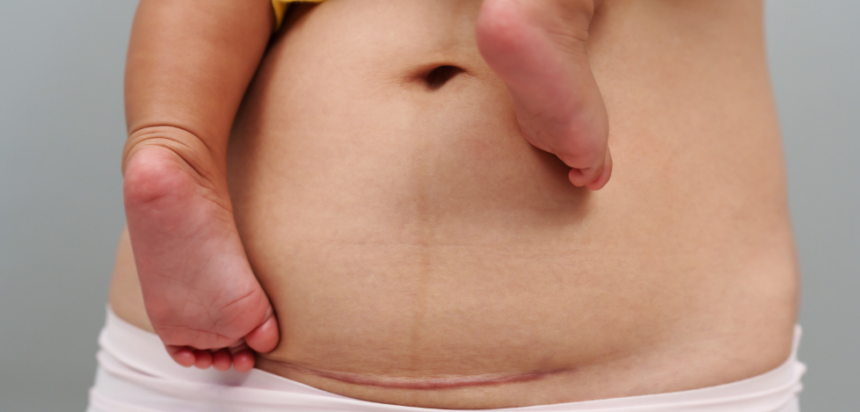
Santo Domingo.- 68.2% of births in the Dominican Republic occurred via cesarean section, compared to 31.8% of vaginal births, according to the results of the National Multi-Purpose Household Survey using the Multiple Indicator Cluster Survey methodology (ENHOGAR-MICS 2025), conducted by the National Statistics Office (ONE), with technical and financial support from the United Nations Children’s Fund (UNICEF).
The proportion is particularly high in the private sector, where 89% of births were performed by cesarean section, compared to 52.8% in public establishments.
You might be interested in: Growing concern among pregnant women due to infections detected at La Altagracia Maternity Hospital
These data contrast with international averages. According to estimates by the World Health Organization (WHO), the cesarean section rate was 21.1% globally and 42.8% in Latin America and the Caribbean during the 2010-2018 period. The proportion recorded in the country exceeds the regional average by about 25 percentage points.

A call to review obstetric practices
UNICEF emphasizes that a cesarean section can be a fundamental intervention and save the life of a woman or a newborn when there is a clinical justification. However, as it is major surgery, it can involve risks such as infections, hemorrhages, complications related to anesthesia, and a longer recovery. In subsequent pregnancies, it can also increase the risk of certain obstetric complications. For newborns, cesarean sections can be associated with respiratory difficulties, especially when performed before the pregnancy reaches term.
More Read

The WHO does not establish an ideal cesarean section rate applicable to all countries. Its recommendation is that these interventions be performed when necessary and that health systems guarantee safe and quality care.

“The Dominican Republic has shown that it is possible to expand access to prenatal care. Now, the challenge is to ensure that every pregnancy and every birth receives quality care, respectful of women’s rights and based on the best scientific evidence,” stated Anyoli Sanabria, UNICEF Deputy Representative in the country.
To better understand the reasons behind cesarean section rates and guide improvement actions, the United Nations Children’s Fund highlights the usefulness of tools such as the Robson Classification, which allows for grouping women according to their obstetric characteristics and identifying in which groups the highest number of cesarean sections is concentrated.
Reviewing clinical protocols and practices, using evidence-based guidelines, and providing better information to women are some of the measures that can help ensure that every intervention truly responds to a clinical need.
More Read


Advances and gaps in maternal care
The results of the ENHOGAR-MICS 2025 also show that the country has improved very important indicators for maternal health. 97.6% of women aged 15 to 49 who had a live birth in the two years prior received prenatal care from qualified personnel. Likewise, 97.5% received blood tests, 96.9% blood pressure checks, and 96.6% urine tests.
However, inequalities persist after birth. 84.7% of women in the lowest income quintile received a postnatal check-up within two days of giving birth, compared to 97% among women in the highest income quintile.
“Pregnancy and childbirth are deeply significant moments in a woman’s life. Every woman has the right to receive safe, respectful, and quality care, in accordance with her needs, without unnecessary interventions, and with clear and sufficient information to make informed decisions about her pregnancy and childbirth. Quality obstetric care saves lives, prevents complications, and contributes to ensuring a safe and respectful experience for mothers and their children,” concluded Sanabria.
UNICEF calls for strengthening the quality of maternal and neonatal care in the Dominican Republic, guaranteeing safe, respectful, and timely services, as well as clear information and support throughout the process. This is essential so that every family can begin this new stage in conditions of safety, dignity, and well-being.