Read more: Donald Trump launches Trump Mobile
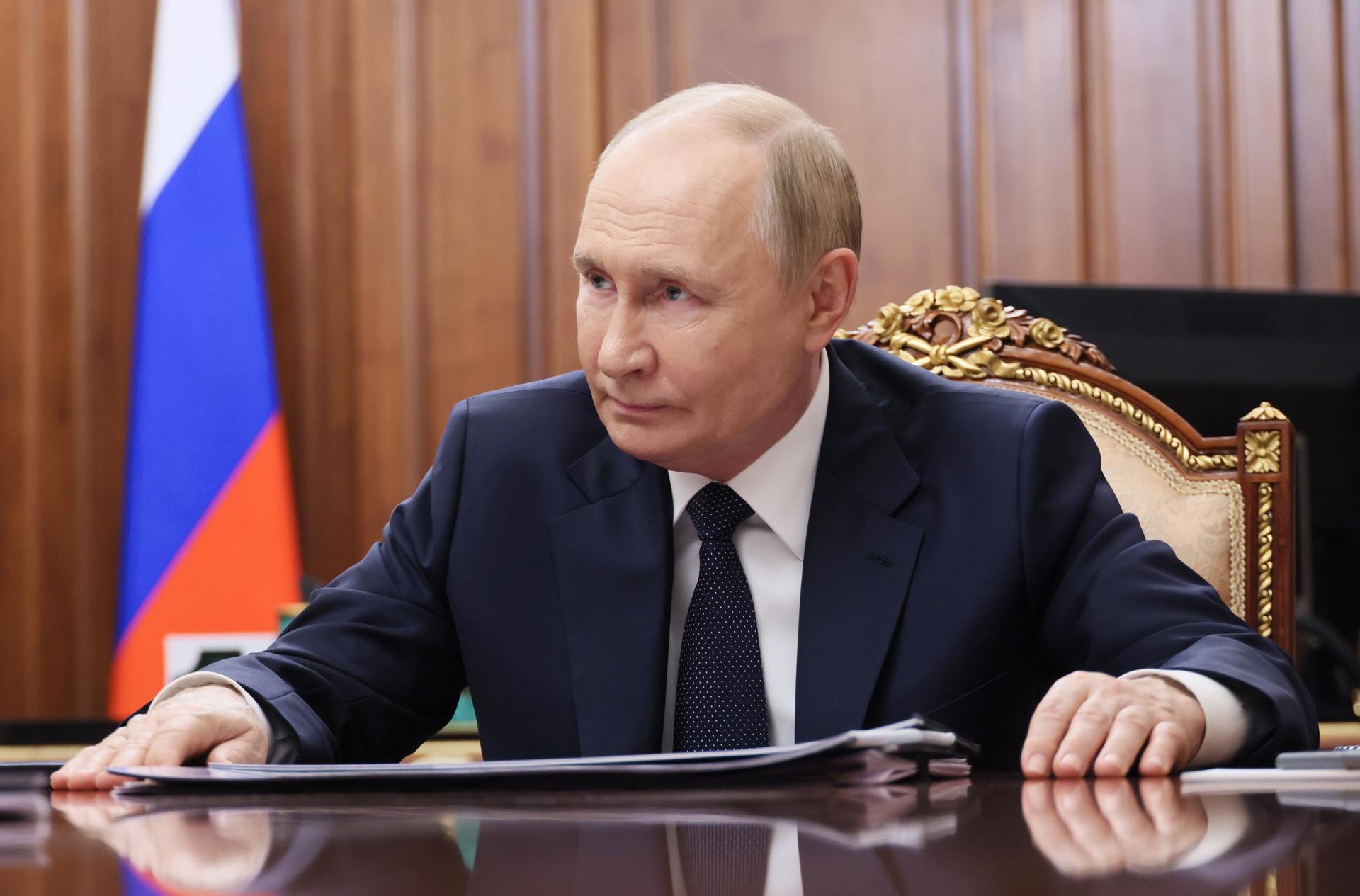
Putin first called Chinese President Xi Jinping and Indian Prime Minister Narendra Modi on Friday, whose country Trump imposed a 50% tariff on for importing Russian oil. While Xi has been more cautious due to his antagonism with NATO, Modi always advocated for stopping the war as soon as possible, although Kiev recently accused him of supplying Moscow with components for assault drones. On Saturday, Putin spoke with Brazilian President Luiz Inácio Lula da Silva, who expressed his support for peace efforts and showed his willingness to contribute to the process. In addition, he also called his main ally in Ukraine, Belarusian leader Alexander Lukashenko, and the presidents of the Central Asian countries Kazakhstan, Uzbekistan, Kyrgyzstan and Tajikistan. Putin informed everyone about the main results of the consultations he held this week in the Kremlin with the White House emissary, Steve Witkoff, in which the convening of the summit was agreed.For the moment, the Russian stance towards the meeting in Alaska is unknown, although a few days earlier Putin assured that his demands remain unchanged: international recognition of the Russian annexations; Ukrainian neutrality; cessation of foreign military aid to Kyiv and elections to replace the president, Volodymyr Zelensky.