Brasilia.- The diplomatic crisis between Brazil and the United States worsened this Wednesday after the 50% tariff announced by President Donald Trump and the response from Brazil, which included the double summons of the US chargé d’affaires and a direct warning from President Luiz Inácio Lula da Silva.

Read more: Trump backs down and announces he will lower tariffs on China to 80%
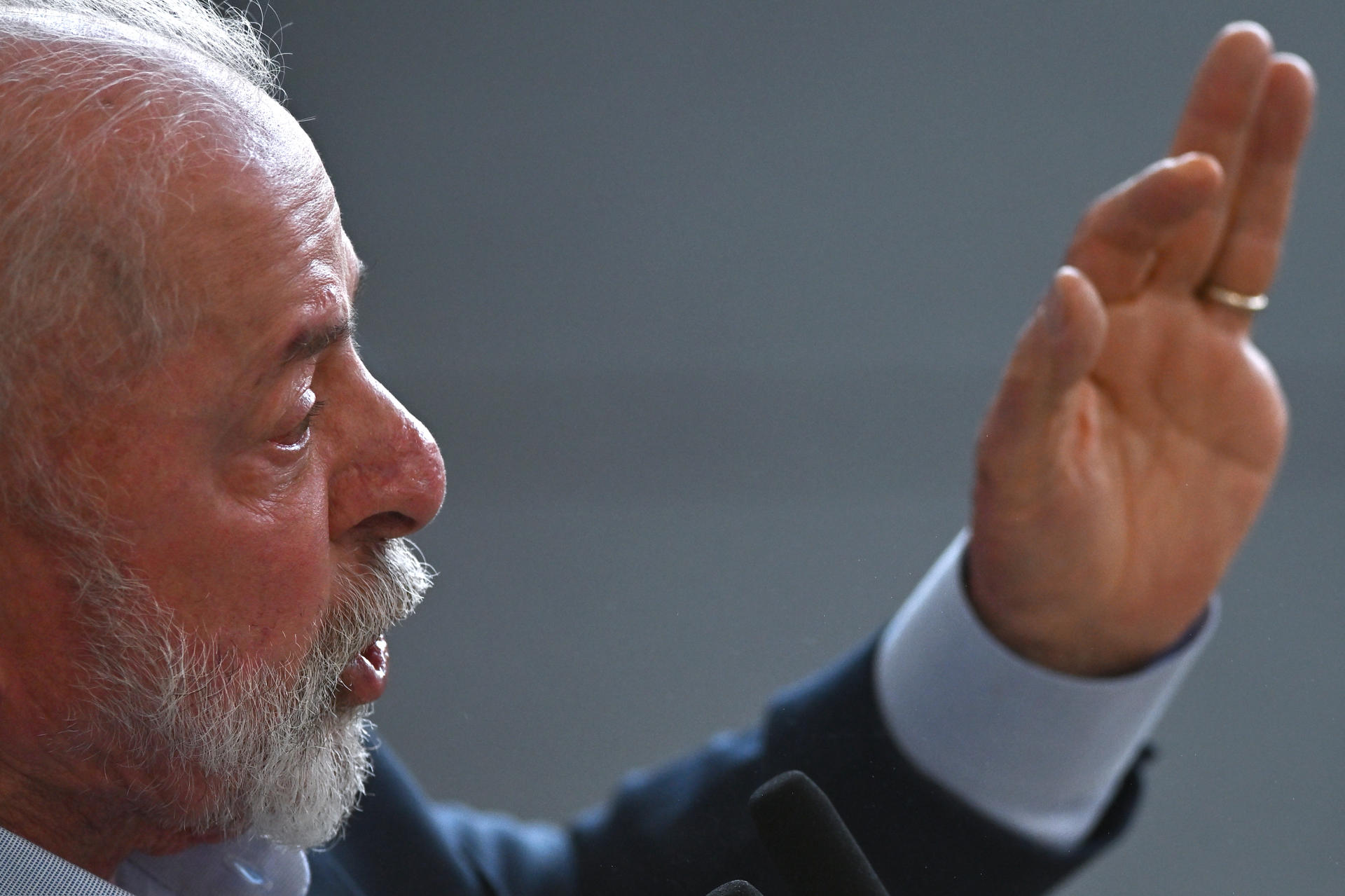
Trump has already entered the Brazilian domestic scene on Monday with a first message on his social media to unconditionally defend the far-right leader. This Wednesday, he went a step further by disclosing, before it reached its recipient, a letter addressed to Lula in which he announced an additional 50% tariff on Brazilian imports. Trump not only cited commercial reasons, as he has done with other partners, but revealed that he decided to tax Brazilian products because, in his opinion, Bolsonaro is being “victim of a witch hunt”. “It’s an international disgrace. This trial shouldn’t be happening. It’s a witch hunt that must end IMMEDIATELY!” he exclaimed. Likewise, he alluded to alleged “illegal” and “secret” failures of the Supreme Court to eliminate profiles dedicated to disseminating fake news against democratic institutions and, finally, mentioned that the commercial relationship is unequal, when in reality it is widely favorable to the North American power. And he also issued this warning to Lula: “If for any reason you decide to increase your rates, whatever the chosen value, this will be added to the 50% that we will apply.” Lula responds to TrumpAfter learning of the missive, Lula convened an urgent meeting with the core of his Government at the Planalto Palace, the seat of the Government, in Brasilia. The response was twofold: diplomatic and political. First, Lula shared a harsh note in which he refuted point by point Trump’s arguments and warned that, if the 50% tariff is implemented, he will respond with countermeasures. “Brazil is a sovereign country with independent institutions” and “will not accept being tutored by anyone,” he said. The ruler maintained that the process against Bolsonaro and the rest of the accused, among whom are several former ministers and high-ranking military officials, “is the sole responsibility of the Brazilian Justice system and, therefore, is not subject to any type of interference or threat that violates the independence” of the powers.
Double call by the US chargé d’affaires.
In diplomatic terms, the Brazilian government summoned the chargé d’affaires of the US Embassy, Gabriel Escobar, head of the diplomatic mission in the absence of an ambassador, to express its protest. The diplomat was received by the Secretary for North America of the Ministry of Foreign Affairs, María Luisa Escorel, according to sources indicated to EFE. After confirming its authenticity, Escorel said that “Brazil was returning the letter” for being “offensive” and containing “falsehoods” and “factual errors” about the bilateral trade relationship. That was the second time in the day that Brazil summoned the U.S. representative in the South American country. A few hours earlier, Escorel conveyed to the chargé d’affaires of the U.S. Embassy his “discomfort” over a note that that legation disseminated in defense of Bolsonaro within the framework of the coup trial. The note that provoked that first call stated that “Jair Bolsonaro and his family have been strong partners of the United States” and that “the political persecution against him, his family and his followers is shameful and disrespects Brazil’s democratic traditions”. In that meeting, Escorel described the statement as “undue interference” and reinforced that “it is not up to the United States to comment on internal affairs” that are only the responsibility of the Brazilian Judiciary, according to sources cited by EFE. Meanwhile, Brazilian industrialists asked both countries to sit at the negotiating table. In 2024, Brazil exported $40.368 billion to the U.S. in Brazilian products, which accounted for 12% of the country’s total sales. The main goods were oil, coffee, steel and steel products, which had already been taxed previously by Trump, cellulose and wood pulp, and airplanes. Since the so-called ‘Liberation Day’, on April 2nd, the Brazilian Government has been talking with Washington, at a technical level, to try to avoid, or limit, the imposition of new tariffs, which finally became a reality this Wednesday.