Santo Domingo.– The Permanent Commission of the Central Electoral Board (JCE) of the Chamber of Deputies held a meeting this Monday with representatives of political parties and the JCE itself, with the aim of hearing opinions on the bill that seeks to implement the electronic voting system in the Dominican Republic.
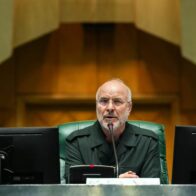
The initiative is authored by deputy Elías Wessin Chávez, chairman of the commission, who explained that the proposal is based on a comparative study of electoral law, taking as a reference the model of Brazil, a country where, according to him, more than 100 million people vote electronically without any problems in the counting process.
Wessin Chávez pointed out that the project has a preventive vision for the 2032 elections, the year in which the unification of the elections at all levels is contemplated, so he considers it necessary for the JCE to have advanced technological tools that speed up the scrutiny and reduce delays.
“The idea of the project is to adopt the technology and the advancement of science that is everywhere. It is a project that we could say is preventive, looking towards the 2032 elections”, expressed the legislator.
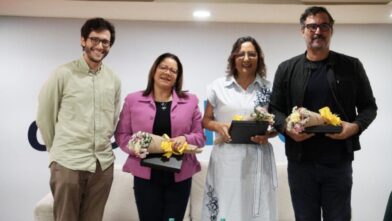
The meeting took place in the Hugo Tolentino Dipp hall of the National Congress and was attended by directors of the Central Electoral Board, including Mario Núñez, National Elections Director; Johnny Rivera, Director of Informatics; and Denny Díaz, Director of Political Parties.
In representation of the political organizations, leaders from different parties participated, including Pelegrín Castillo, from the National Progressive Force; Tácito Perdomo, from the Social Christian Reformist Party; Andy Mieses, from the Alliance for Democracy; as well as representatives from PASOVE and the Social Democratic Institutional Bloc, among others.
By the Chamber of Deputies, several legislators were present, who, together with the political and technical actors, debated the scope and challenges of the proposal to modernize the Dominican electoral system.