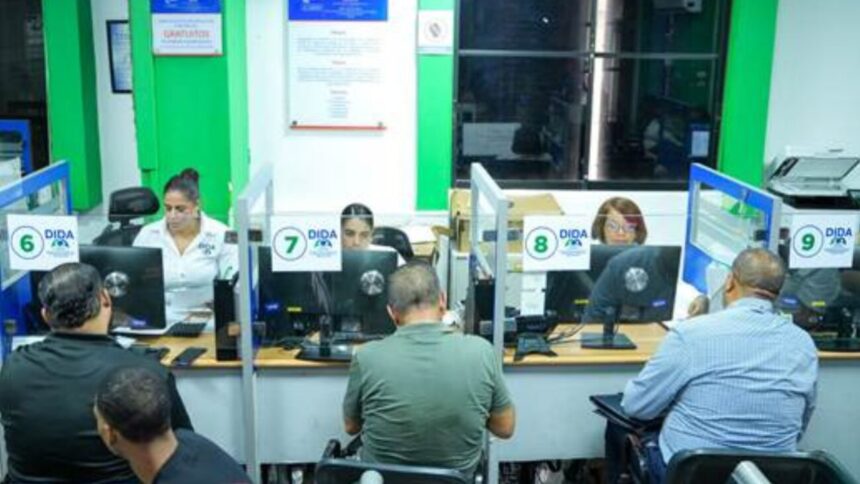
Santo Domingo-. The General Directorate of Information and Defense of Social Security Affiliates (DIDA) provided 824,218 guidance and advocacy services to affiliates of the Dominican Social Security System (SDSS) during the first semester of 2026, as part of a management approach aimed at guaranteeing access to information and the effective defense of their rights.
In addition to this assistance, 10,283 people were trained and 363 health service providers were monitored, actions through which the institution also contributes to improving the quality of the services they receive.
“At DIDA, we work to ensure that the rights of affiliates are fully exercised. These results demonstrate our contribution to the Government’s strategic priorities to strengthen the Dominican Social Security System, through management focused on guiding, defending, and accompanying citizens, as well as promoting the continuous improvement of the quality and timeliness of health services,” stated the Director General of DIDA, Elías Báez.
Through the Guidance and Ombudsman Directorate, the institution provided 824,218 guidance sessions, through which it offered affiliates information on the services and benefits of the SDSS and support in the defense of their rights.
We recommend reading:TSA orders Andeclip not to suspend health services while the conflict with DIDA is being heard
More Read
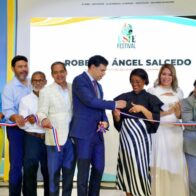

Regarding education, the Directorate of Promotion and Training developed 193 talks, two diploma programs, and eight workshops, which directly benefited 10,283 people between January and June. These sessions were aimed at employees of public and private institutions, social organizations, unions, students, and the general public, with the purpose of strengthening knowledge about the rights and duties of affiliates, as well as the benefits of the Family Health Insurance, the Pension System, and Occupational Risks.
As part of the actions aimed at strengthening the quality and timeliness of health services, the Directorate of Monitoring and Research worked with 363 health service providers, 139 Primary Care Centers (CPNA), 88 private health centers, 83 public hospitals, and 53 pharmacies, through the application of 3,705 surveys to affiliates.
The monitoring showed an average satisfaction of 97.75% with the services received and an average knowledge level of 90.5% regarding the Health Risk Administrator (ARS), the regime to which they belong, and the services to which they are entitled.
More Read

Likewise, the institution held 34 community meetings at Primary Health Care Centers (CPNA), aimed at members of the Subsidized Regime, with the purpose of identifying needs and findings related to the quality and timeliness of health services.
These actions reflect the fulfillment of the mandate conferred upon DIDA by Law 87-01, which assigns it the responsibility of guiding, informing, defending, and representing social security affiliates.