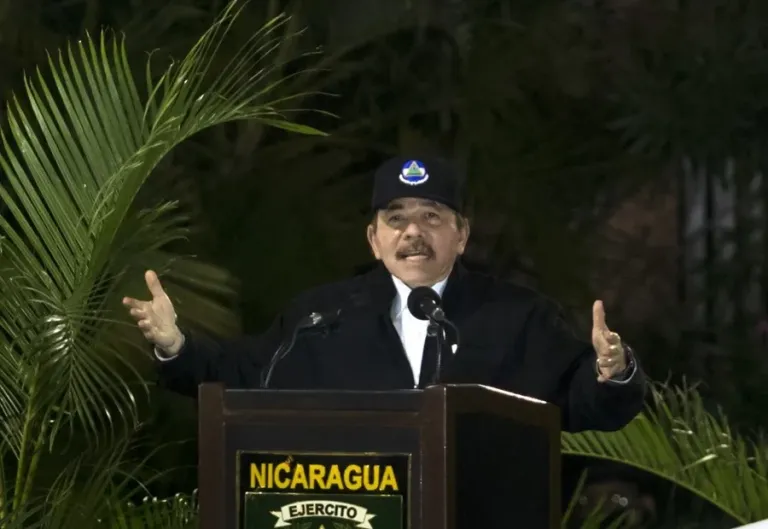
San José.- The Government of Nicaragua responded this Saturday to the European Union that it is neither a “subject” nor a “vassal to anyone” following the statement by the 27 condemning the “systemic repression” exercised by the Nicaraguan authorities and demanding the holding of “transparent, inclusive, and credible” elections.
The EU spoke out after Nicaraguan President Daniel Ortega proposed last weekend to eliminate elections in the country.
Through an official note from the Nicaraguan Foreign Ministry addressed to the EU, titled “We are not subjects,” the government co-presided by the couple, Ortega and Rosario Murillo, acknowledged receipt of “yet another pronouncement” from the European bloc, which they consider “interventionist, imperialist, and characteristic of a mentality and practices anchored in a colonial past.”
“Faced with this other expression of outdated attempts at domination by those who, at some point, due to catastrophes and ambitious and bloody historical adventures, felt they were masters of the World, the sovereign people and Government of this struggling and victorious Nicaragua reiterate that they do not admit such ossified assertions about our territories or our peoples and democratic, dignified, and triumphant processes,” the Foreign Ministry pointed out.
We recommend reading:Brazil denies visas to U.S. officials who sought a meeting with electoral authorities
More Read
And the statement concludes: “We remind you, in case you forget: We are no one’s vassals.”

International pressure regarding the elections in Nicaragua
In a statement by the High Representative on behalf of the EU, the community bloc called for the opening of a dialogue between the Sandinista regime and the opposition to “agree on the electoral reforms necessary to promote a democratic, peaceful, and negotiated solution to the current political crisis.”
Ortega asserted last Sunday during the commemoration of the 47th anniversary of the Sandinista revolution that in Nicaragua “there will never again be elections so that they (the opposition) can try to seize the Government, seize power through them.”
More Read
The words of the 80-year-old former guerrilla, who has ruled since 2007 amidst accusations of electoral fraud, eliminating competition, or declaring the article of the Constitution that prohibited reelection “inapplicable,” have sparked international rejection and contradictory explanations from the Sandinistas.
This Wednesday, the leader of the Nicaraguan Parliament, the Sandinista Gustavo Porras, said that elections will indeed be held in Nicaragua but under a new constitutional framework that shields them from foreign interference and from the “traitors to the homeland” in the country.
Last Friday, Co-chair Murillo announced that they will present their electoral reform proposal to the ambassadors accredited in the country.