The Inabie inaugurates school kitchens and gardens built in six schools in San Juan with the technical support of FAO

Arelis Suero
Periodista egresada de la Universidad Autónoma de Santo Domingo (UASD). Le gusta escribir sobre política e historias humanas que puedan transformar vidas. Actualmente cursa un master...
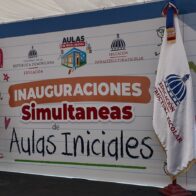
San Juan, R.D.– The National Institute of Student Welfare (Inabie) and the Food and Agriculture Organization of the United Nations (FAO) put six kitchens and six school gardens into operation in educational centers in this province, an initiative that seeks to raise the quality, safety and efficiency of the food service in schools, while promoting pedagogical spaces for practical learning in agriculture, nutrition and sustainability for the entire educational community.
The facilities were enabled in the schools Hermano Cristóbal, Asención Fortuna Valdez, Filomena de Oleo Mesa, Politécnico San Pablo, Hortencia Pérez and Milagros Rodríguez Sánchez, directly impacting more than 20,000 students, teachers, staff of the study centers and families in the area.
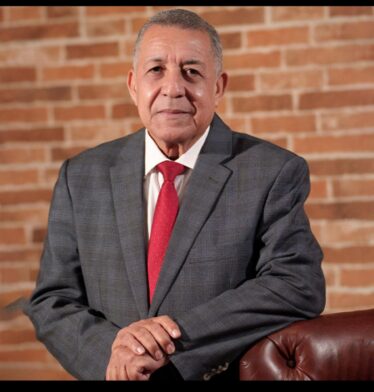
“These kitchens and gardens represent a firm step towards a safer, more varied, and dignified school food for our students. We are strengthening not only the service, but also the learning capacity and community participation in each territory,” said the executive director of Inabie, Adolfo Pérez, when giving a speech at the inauguration ceremony, held at the San Pablo Polytechnic and the Hortensia Pérez Educational Center of this province.
Congresswoman Soraya Suárez, coordinator of the Parliamentary Front against Hunger; Dr. Mariella Ortega Rabassa, specialist in Food Security and Nutrition at FAO; and Eulalio Ramírez, Vice Minister of Production of the Ministry of Agriculture, highlighted the importance of continuing to promote initiatives that strengthen food security, promote local production, and guarantee a more nutritious and sustainable school feeding program.
The representatives of the schools benefited in this first stage, Alida Otaño, Ana Montero, Juan Sánchez, Ana Hidalgo, Wendy Peña and Catalina Valdez, expressed their gratitude for having been included in the beginning of this project, which strengthens the quality and safety of school meals.
Miriam Guzmán, Vice Minister of Agriculture, Fernando Campos, in charge of School Gardens of the Ministry of Education, Patricia Grullón, Director of Nutrition of Public Health, as well as the deputy directors of INABIE, Luis Valdez, Melvin Ramírez and Mercedes Pérez Ceballos, along with the directors of Health and Nutrition, Luis Lizardo, and Food Management, Luis Núñez Fabal, also participated in the event.
Periodista egresada de la Universidad Autónoma de Santo Domingo (UASD). Le gusta escribir sobre política e historias humanas que puedan transformar vidas. Actualmente cursa un master en Comunicación Política y Marketing Digital.