Santo Domingo.– The Central Electoral Commission of the Autonomous University of Santo Domingo (UASD) reported that the final results of the elections to choose the new rector and other university authorities will not be able to be announced today, due to the process of validation and reception of the electoral records from all over the country.
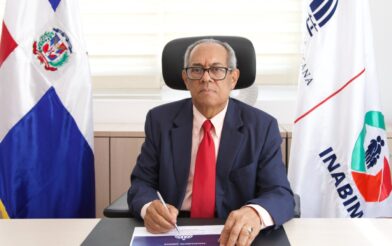
Central Electoral Commission member, Fran Valdés López, explained that although the voting process was proceeding normally and with high participation, the official count depends on the arrival and verification of the physical records sent from the academy’s faculties, campuses, and regional centers.
Valdés pointed out that, by the afternoon hours, more than 65% of eligible voters had already cast their vote, so he estimated that the 60% quorum required to validate the electoral process would be exceeded without difficulty.
He indicated that, once the polls close at 8:00 p.m., each faculty must complete the count and prepare the corresponding minutes before sending them to the Central Electoral Commission, a procedure that may take several hours depending on the volume of votes processed in each academic unit.

You can also read: Asjana bets on a technological transformation for the UASD
“The final result will not be available tonight, because the regional centers have to send us the physical records. Although some information may arrive digitally, we cannot validate it until we verify that it matches the original documents,” stated the electoral official.
More Read
Likewise, he clarified that the rumors or projections circulating among the candidates’ teams are based on data collected by their delegates, but that the commission can only offer official results once it receives and verifies the corresponding documentation.
However, he reported that starting this Wednesday night, preliminary results will begin to be disseminated through a screen installed in front of the Central Electoral Commission headquarters, where the processed records will be projected as they are received and validated by the agency.
More than 3,100 voters, including faculty, students, staff, and assistant professors, are called to participate in these elections to choose the authorities who will lead the Primada de América during the next academic period.