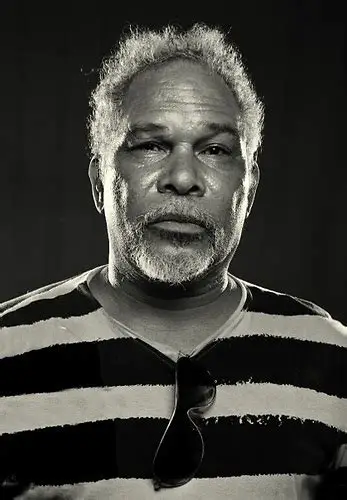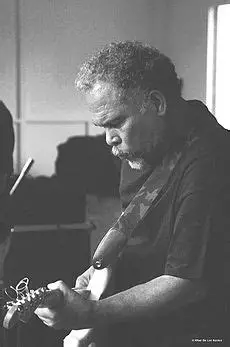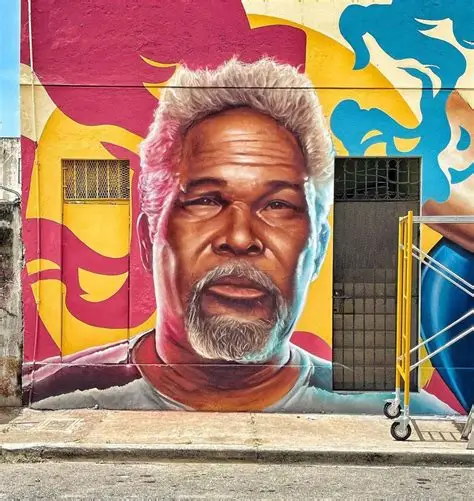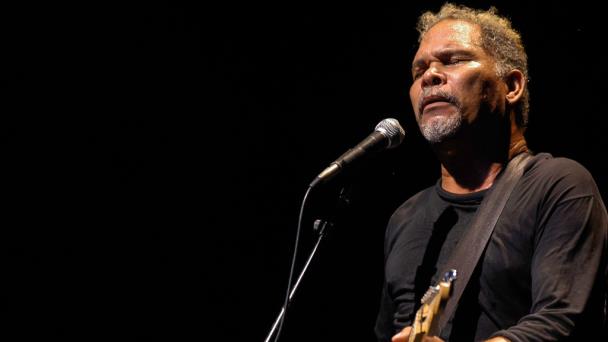
On June 21, 1952, in the warm heart of Bonao, a child was born with the rhythms of the earth beating in his blood. Luis Días Portorreal, whom the world would later know as “El Terror“. From the beginning, he was a soul touched by music, as his father taught him the first chords on a tres, while his mother gave him the cadence of the salves she sang with a sweet and ancestral voice. With them he learned that music is not read first, it is felt.
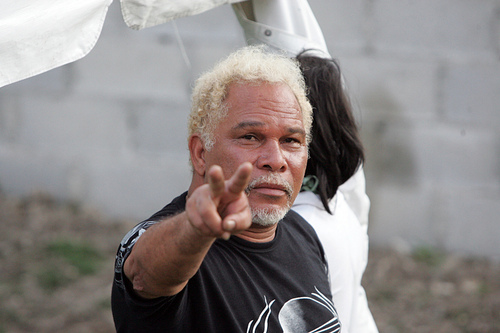
Luis didn’t just play. He thought. He wrote. He rebelled. He had daring ideas and a sensitivity that allowed him to turn the pain, poverty, and joy of the people into electrifying verses. Thus were born songs like Obrero, acepta mi mano, which became an anthem of protest song in 1974.

The Terror That Made the Nation Dance
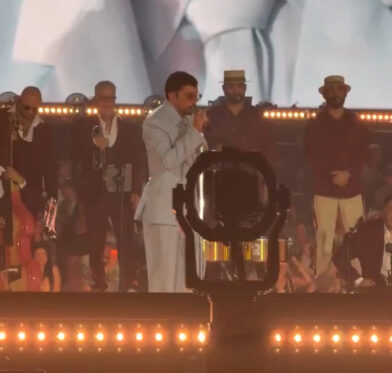
It was the voice of the average Dominican, the soundtrack of the capital’s chaos, discouragement, and euphoria. It was then that he composed Baila en la calle, the merengue that would become a carnival anthem and that still today makes us move our feet and raise our arms. But his work did not stop there. His pen gave memorable songs to artists like Sergio Vargas (Marola, Las Vampiras), Sonia Silvestre (El guachimán), Fernando Villalona, Kaki Vargas, Rubby Pérez, Dioni Fernández and even Marc Anthony, who sang Si he de morir. Luis Días was more than a musician. He was a sound alchemist. A man who saw in bachata what no one wanted to see: the Dominican blues. When it was still despised by the elite, he wrote that one day it would be “the triumph of misery and poverty.” He said it with chords, not with words. And he was right. His free, fusion, and wild style led him to record memorable albums such as Luis Terror Días (1984), El Accidente (1998), and to compose for cinema, theater, and literature. He published poetry (Tránsito entre Guácaras), set award-winning short films to music, and was an essential part of the Dominican cultural awakening of the 80s and 90s. In 2004, it was declared Cultural Heritage of the Dominican Nation. He received tributes from the Ministry of Culture, the Senate, Acroarte, and even has a carnival award named after him. But, above all, he has the respect of the people, who still sing his verses in the streets, and the eternal gratitude of a homeland that saw him leave on December 8, 2009, with a heart attack, but not without first letting himself be pierced by his hurricane of talent.Luis Días no se fue. Sigue aquí. En cada tambora, en cada coro callejero, en cada nota de guitarra con amargue. Porque cuando un artista logra convertir la historia de un pueblo en canción, nunca muere. Solo se transforma en música.