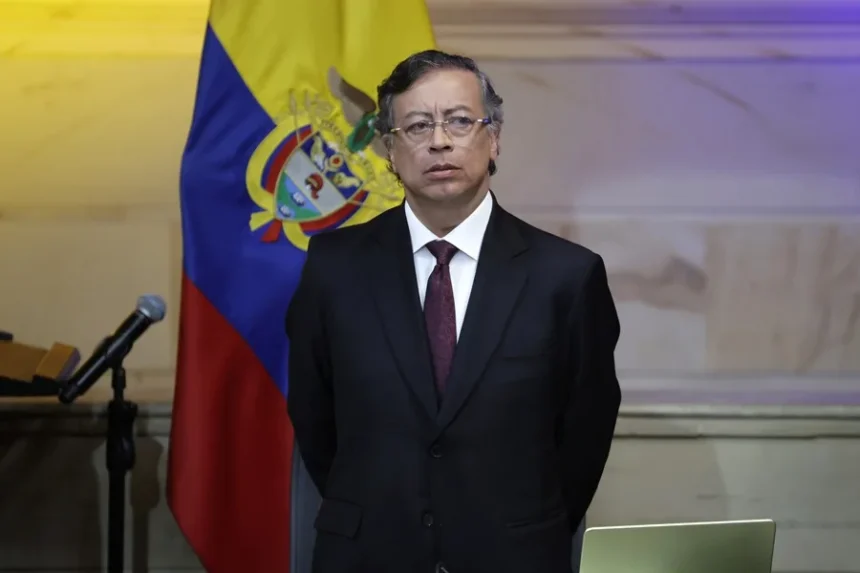
Bogotá .- The Minister of Defense of Colombia, Pedro Sánchez Suárez, stated this Thursday that during the outgoing government of Gustavo Petro, 3,300 tons of cocaine were seized, a figure that, according to him, “is equivalent to the sum of (what was seized during) the three previous governments.”
Sánchez, who will leave office on August 6, presented the data from the government transition report, prepared by the outgoing administration, which highlights that Colombian intelligence enabled the seizure of 60% of the cocaine confiscated internationally.
The minister also maintained that coca crops “remained stable” during the four years of the administration, with a reduction of almost 9,000 hectares in the last eight months, and recommended that the incoming administration maintain the illicit crop substitution programs, with the goal of reaching 40,000 hectares.
Those extradited during the Government
The report indicates that a total of 114 million hectares -99.6% of Colombian territory- is free of coca crops, while only 0.23% corresponds to areas planted with that plant.

“The problem is global and we are tackling it by extraditing the criminals who affect our country,” stated Sánchez Suárez, who added that during the Petro administration, 711 people were extradited, most of them to the United States, for crimes related to drug trafficking.

We recommend reading: Petro announces the transfer of 970 million dollars to address the El Niño phenomenon
The report also notes that coca crops grew by 18% compared to the 69% increase recorded during the Iván Duque period (2017-2022), although the Government “maintained sustained pressure on criminal infrastructure” with the destruction of a drug processing laboratory every 50 minutes.
According to the most recent report from the United Nations Office on Drugs and Crime (UNODC), Colombia reached a record of 253,000 hectares of coca crops in 2023 and consolidated its position as the world’s leading producer of cocaine.