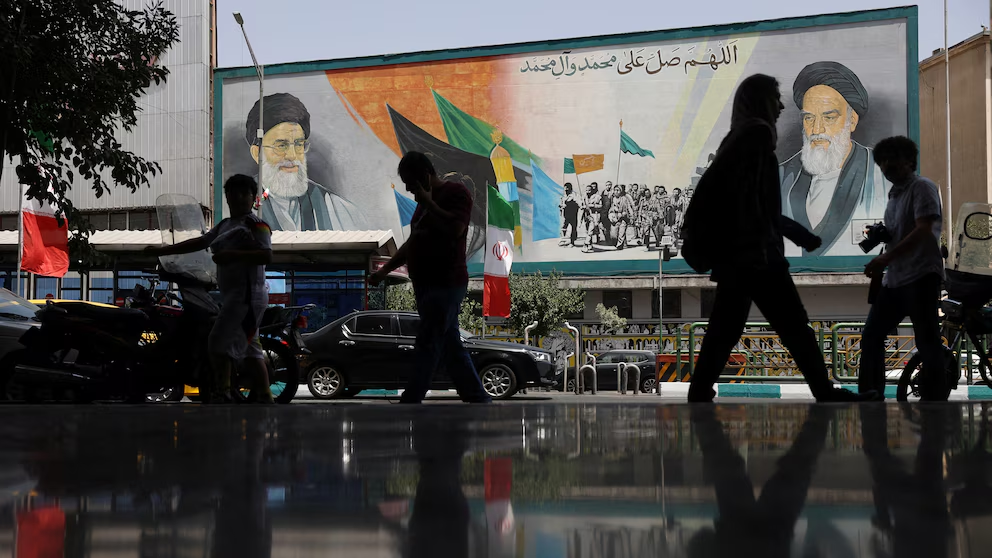
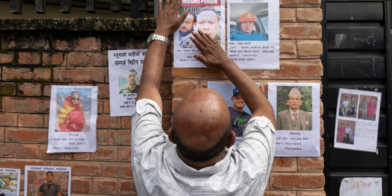
The myth of Iran’s invulnerability crumbled on June 13, when Israeli forces launched an unprecedented and surprising attack in the heart of the country, eliminating prominent military leaders and nuclear scientists, and leaving a balance of 627 dead.
The operation, which included the participation of the United States in attacks on three nuclear facilities, marked a before and after in the perception of security of the Islamic Republic and in the stability of its regime.
For more than thirty years, Iran wove a network of allied groups and militias in the region to fight its battles far from its borders. This strategy, driven by Supreme Leader Ayatollah Ali Khamenei, sought to keep its enemies at bay and consolidate internal power. Until now, the possibility of a direct attack on Iranian territory seemed remote. But on the morning of June 13, that certainty vanished. The Israeli strike, which even reached nuclear scientists while they slept in their homes with their families, dismantled the image of strength that Tehran had carefully cultivated.
The magnitude of the attack and the international response generated a profound impact on Iranian society and domestic politics. The number of victims, 627 dead, included key figures from the nuclear program, which increased the feeling of vulnerability. The intervention of the United States, which joined the Israeli campaign the following Sunday and attacked three nuclear sites, raised the risk of a total war. However, the next day, Washington and Tel Aviv announced a ceasefire with Iran.