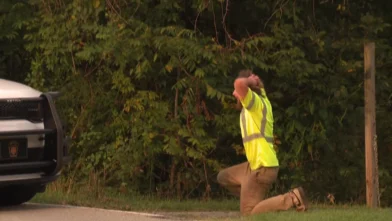
The Sirio-Libanês Hospital of São Paulo confirmed in a medical bulletin that Luiz Inácio Lula da Silva began a preventive treatment of superficial radiotherapy on the scalp to reduce the risk of recurrence of a skin cancer that was recently removed.
The institution specified that the indication was defined after the extraction of a basal cell lesion on April 24, 2024, as part of a complementary prevention strategy. Based on this case, specialists emphasize the importance of photoprotection throughout the year, periodic self-examination and dermatological check-ups.
What is skin cancer and what are the most frequent types
Infographic detailing skin cancer types, risk factors, prevention methods such as photoprotection and self-examination, and warning signs for early detection. Skin cancer is a group of tumors that originate in different skin cells. The most common types include basal cell carcinoma, squamous cell carcinoma, and melanoma, which, although it represents a smaller proportion of the total skin tumors, is the main cause of deaths from skin cancer due to its ability to spread.In the case of Lula da Silva, the medical report described a basal cell carcinoma located on the scalp. This type of tumor is usually associated with accumulated sun exposure and, if detected early, is usually treated with localized procedures.
The checkups also aim to identify precancerous lesions. In the tissue removed from the President of Brazil, the medical team reported an actinic type lesion, considered precancerous and with the potential to evolve into skin tumors if not treated in a timely manner. Therefore, periodic dermatological follow-ups are part of the preventive scheme.We recommend reading: Lula da Silva underwent surgery without complications to remove a skin lesion on his head
Risk factors: what increases the likelihood of developing skin cancer
Exposure to ultraviolet radiation is the main risk factor for developing skin cancer (Europa Press) Exposure to ultraviolet (UV) radiation is the main risk factor pointed out by specialists. In a previous note to Infobae, Dr. Graciela Manzur, head of the Dermatology Division of the Hospital de Clínicas, warned that low phototypes (fair skin) are more prone, although she remarked that people with darker skin tones can also develop melanomas, even in areas not usually exposed to the sun.Other risk factors mentioned by specialists include the use of tanning beds, family history, and sunburns, especially during childhood. In the cultural field, the association between tanning and health acts as a risk incentive: tanning is not a marker of well-being, but a response of the skin to damage.
More Read


Comprehensive Photoprotection: Concrete Measures That Do Work (and How to Apply Them)
The medical teams that attended to Lula da Silva recommended simple and constant measures: hat, sunscreen, and bandaging in the treated area during the preventive radiotherapy process. This type of indication coincides with the approach of “integral photoprotection” described by dermatologists in previous notes: combining physical barriers, behavioral measures, and correct use of sunscreen.Among the physical and behavioral measures, specialists recommend:
- wear clothing that covers the skin;
- use a hat in outdoor activities;
- use sunglasses with UV protection;
- seek shade whenever possible and plan outdoor exposure with a preventive approach.
Sunscreen is a central tool, but its effectiveness depends on how it is used. Manzur maintained that it should be used with SPF 50 or higher throughout the year. He also pointed out that it is advisable to apply it 30 minutes before sun exposure, on dry skin and in sufficient quantity.
Dermatologist Leisa Molinari, a reference in preventive dermatology, explained in the same note that prevention cannot be thought of only from the topical and mentioned alternatives of oral photoprotection made from plants, vitamins, antioxidants and polyphenols. This resource can work as a complement, but does not replace sunscreen and must be indicated with dermatological supervision. Another relevant clarification is the role of self-tanners. Although they are used to achieve a tanned appearance without sun exposure, not all protect against UV radiation.ADVERTISEMENT
More Read

Skin self-exam: how to do it and what signs require consultation
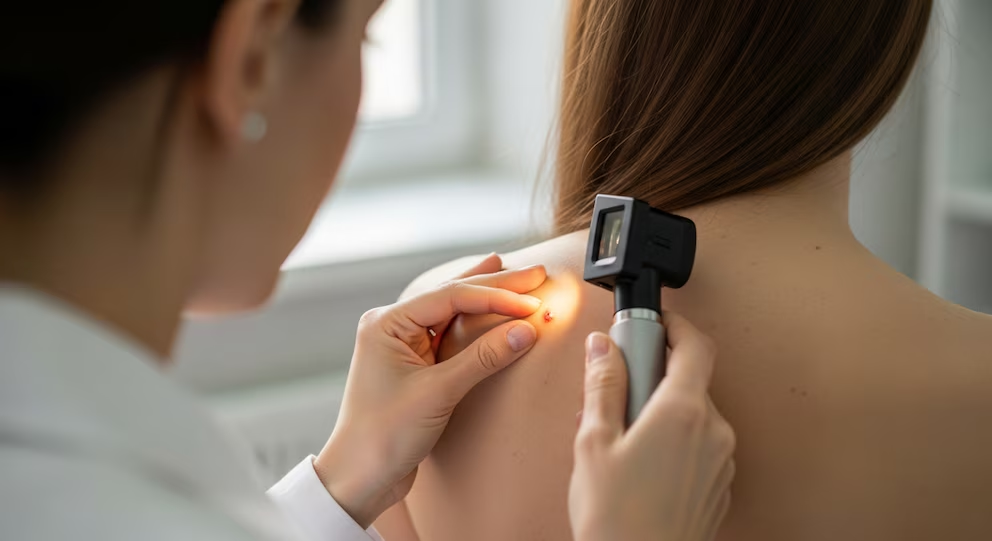
Regular self-examination helps detect suspicious lesions and consult the specialist in time (Illustrative Image Infobae) Early detection improves prognosis and self-examination is a practical tool to reduce delays. Experts from Harvard Health Publishing, the medical outreach service of the Harvard University, recommended dedicating a few minutes periodically to review all the skin at home to identify suspicious anomalies. To do this, they suggested preparing a full-length mirror, a hand mirror for difficult areas, and good lighting. The review should include the front, profile, and back, as well as areas that are usually outside of daily control. On the scalp, the proposed method is to part the hair with a comb or a dryer to check the skin. It is also recommended to carefully observe the neck, ears —including the area behind—, forearms, hands, and nails. The check doesn’t end there: the procedure includes the back of the legs, buttocks, genital area, feet, soles, and spaces between the toes. Harvard Health Publishing recommended to note and photograph findings to record changes over time. Among the signs that justify medical consultation are lesions or marks that present pain, bleeding, growth, color change or that do not improve within six to eight weeks. The appearance of new moles or modifications in existing moles are also considered alerts.For melanoma, specialists disseminated the ABCDE rule as a guide:
- Asymmetry
- Irregular borders
- Uneven color
- Diameter greater than 6 mm
- Evolution of the lesion over time