Costa Rican diplomat Lina Ajoy assumed this Tuesday the General Secretariat of the Central American Integration System (SICA), with the central objective of restoring high-level political dialogue and rebuilding consensus among member countries, after more than a year of vacancy in the position and institutional controversies.
His administration, which will extend until 2030, will seek to revitalize trust in the regional body and advance towards technical and legal modernization, as reported by the EFE agency.
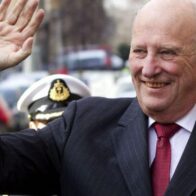
During the inauguration ceremony broadcast by SICA itself, Ajoy, the first woman to hold this position, expressed that the election represents for her “an immense honor” and “a huge commitment and responsibility” in the face of the challenges facing the region.
“My intention is to restore countries’ confidence in their own system, and I believe that this election is already an evident element that confidence has been restored; to re-establish high-level political dialogue and contribute with great respect to the building of consensus in our region,” the diplomat stated, as reported by EFE.
We recommend reading:Government of Belize assumes the temporary presidency of SICA

Ajoy’s arrival at the organization comes during a period of internal tensions. The position of secretary general, which corresponded to Nicaragua for the 2022–2026 period, remained vacant since November 2023, when the Nicaraguan lawyer Werner Vargas submitted his resignation. Managua denounced at the time an “unjustified blockade” of the lists of candidates it had proposed for the position, which worsened the rift between some member countries.
Lina Ajoy Rojas took office this Tuesday, August 11, as Secretary General of the Central American Integration System (SICA), becoming the first Costa Rican to hold the position. Credit: Ministry of Foreign Affairs and Worship

On May 26, the Government of Nicaragua, accused by Costa Rica and other countries in the region of alleged human rights violations, publicly claimed its “right” to occupy the General Secretariat of SICA. The issue remained on the regional agenda until, in June 2026, the presidents of the member countries voted for Ajoy’s candidacy, as detailed by EFE.
More Read

The priorities of the new Secretary General
In her first message as secretary general, Ajoy acknowledged the questions regarding the structure and functioning of SICA. “Our integration system is sometimes perceived as bureaucratic, with duplication of functions, institutional dispersion, an excess of bodies, and budgetary limitations to support that machinery. I want a renewed, efficient, sustainable SICA that is accountable to the countries and, above all, works hand in hand with them to enhance the benefits of integration,” stated the Costa Rican diplomat.
Among his priorities, Ajoy announced the promotion of an institutional modernization process, with solid technical and legal approaches. He raised the need to strengthen regional cooperation mechanisms, optimize joint projects, and incorporate digital tools, data-driven management, and the use of artificial intelligence, as reported by EFE.
Furthermore, he underscored his commitment to greater administrative efficiency and transparency in the use of resources.
Diplomat Lina Ajoy Rojas will lead SICA during the 2026-2030 period, after being elected in June by the regional body’s Heads of State and Government. Credit: Ministry of Foreign Affairs and Worship
Another central axis of his management will be to strengthen the SICA Directorate of Democratic Security. In Ajoy’s words, “the Central American region faces great challenges in terms of security, migration, climate change, natural disasters, inequality, digital transformation, food security, and competitiveness. None of these challenges recognize borders, and therefore regional integration remains a tool.”
Which countries make up SICA
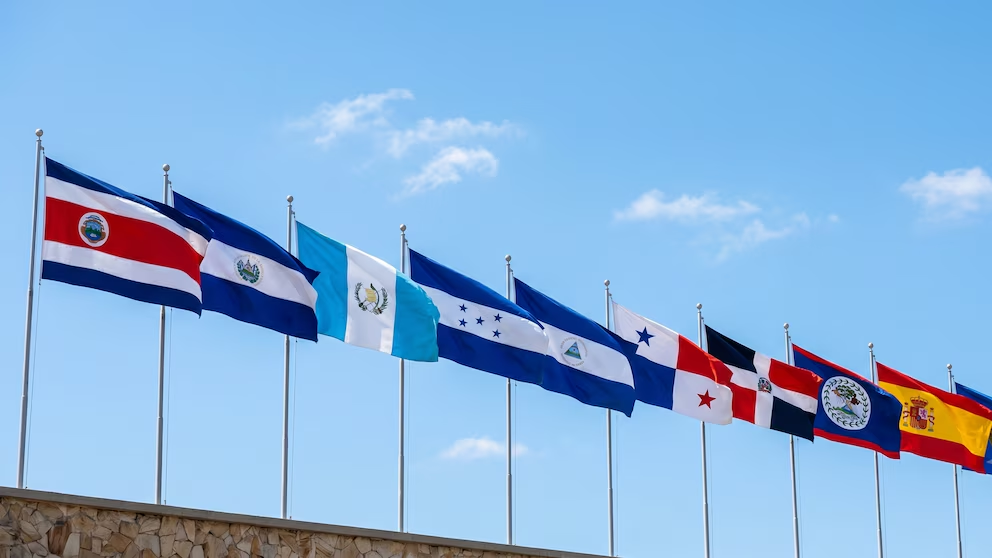
SICA, founded in 1991 in Tegucigalpa, is made up of Belize, Costa Rica, El Salvador, Guatemala, Honduras, Nicaragua, Panama, and the Dominican Republic as full members. Mexico, the United States, and other countries participate as regional observers.