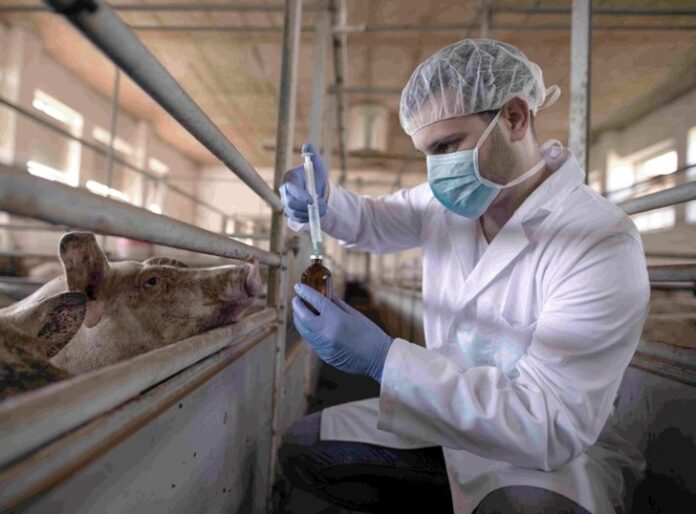
Lima.- 61% of human diseases are of zoonotic origin (animal origin) and represent “a public health problem due to their frequency, magnitude, and impact,” the Peruvian Ministry of Health (Minsa) warned this Monday on the occasion of World Zoonosis Day, which is commemorated every July 6.
The Minsa stated in a press release that it is necessary to strengthen “awareness among the population about the risks of diseases of animal origin“, and then indicated that it is the Pan American Health Organization (PAHO) that points out that approximately 61% of diseases in humans are zoonotic or of zoonotic origin.
The ministry maintained that, for this reason, the prevention of zoonoses “requires a multisectoral response” to “anticipate risks, early detection, surveillance and control” of these diseases.
In light of the El Niño climate phenomenon, which is forecast to unleash with greater intensity in the coming months with heavy rains, extreme heat, or drops in temperature, the ministry remarked that “zoonoses represent a constant threat to public health, especially in contexts of vulnerability and poverty“.

Among the most recurrent diseases in this scenario, he mentioned dengue, zika, chikungunya, leptospirosis, and malaria.
More Read

You can also read: Government of Peru begins management transfer to Fujimori
For this reason, the Directorate for the Prevention and Control of Metaxenic Diseases and Zoonosis organized a national symposium with the participation of all stakeholders competent in the prevention of this type of disease.
The Pan American Health Organization, the Andean Health Organization, the national services for Agrarian Health (Senasa), Forestry and Wildlife (Serfor), and State Protected Areas (Sernanp) attended, as well as the National Center for Epidemiology, Prevention and Disease Control (CDC) and the National Institute of Health (INS).
World Zoonoses Day is commemorated every July 6 in honor of the French scientist Louis Pasteur, who in 1885 successfully applied the first rabies vaccine, considered a milestone that laid the foundations for modern immunization and the prevention of diseases transmitted from animals to humans, highlighted the Minsa.