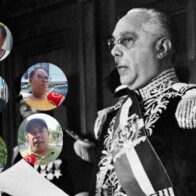
Santo Domingo.– This June 19, 2026, marks the 77th anniversary of the Luperón Expedition, one of the bravest and most significant actions in the fight against the dictatorship of Rafael Leónidas Trujillo, carried out by a group of Dominicans and foreigners who risked their lives with the purpose of restoring freedom and democracy to the Dominican Republic.
The expedition, which took place on June 19, 1949, marked a transcendental chapter in national history by becoming one of the first organized attempts to militarily confront the Trujillo regime, considered one of the most repressive in Latin America during the 20th century.
The action took place in the community of Luperón, in the Puerto Plata province, where a plane landed carrying a group of expeditionaries who had departed from Guatemala with the hope of starting an insurrectional movement capable of causing the overthrow of the dictatorship.
We recommend reading:Santiago commemorates 162nd anniversary of the Restoration War with patriotic acts
Among the participants were prominent exiled Dominicans and foreign fighters committed to the democratic cause. The expedition was led by figures such as Horacio Ornes Coiscou, José Rolando Martínez Bonilla, and Miguel Ángel Ramírez Alcántara, among other men who decided to confront Trujillo’s military might in defense of freedom.
More Read

However, the plan was quickly discovered by the regime’s forces. The government’s military superiority allowed them to quell the incursion within a few hours. Many of the expeditionaries were captured, murdered, or subjected to torture, while others managed to escape temporarily before being pursued by the dictatorship’s security agencies.

Although it failed militarily, the Luperón Uprising had enormous political and moral significance. Its example inspired new generations of Dominicans who continued to organize against the tyranny and paved the way for future patriotic actions, including the 1959 expeditions of Constanza, Maimón, and Estero Hondo, which are considered direct heirs to the fighting spirit initiated in Luperón.
Historians agree that that expedition represented a demonstration of extraordinary courage in the face of a regime that maintained an iron grip on Dominican society through persecution, censorship, and fear. The men who participated in the mission knew that the chances of success were slim, but they took on the commitment to fight for the recovery of public liberties and the establishment of a democratic system.
More Read

Every year, educational institutions, patriotic organizations, and government entities commemorate this date through commemorative acts, conferences, and tributes to the protagonists of the expedition. These activities seek to keep historical memory alive and highlight the sacrifice of those who faced oppression in defense of democratic values.
77 years after those events, the Luperón Uprising continues to be a symbol of patriotism, dignity, and resistance. Its legacy remains a reminder that freedom and democracy are achievements that have required the effort and sacrifice of men and women committed to the nation’s destiny.
The Dominican Republic honors today the memory of the Luperón expeditionaries, recognizing their contribution to the construction of a freer, fairer, and more democratic society, and reaffirming the commitment to preserve the ideals for which they gave their lives.