You can also read: A new 5.2 magnitude earthquake hits Afghanistan
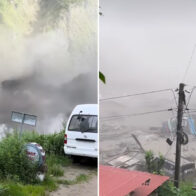
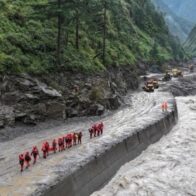
Dr. Fazal Hadi, from Doctors Without Borders, warned EFE this week that hospitals “were already working at full capacity before the earthquake” and that healthcare workers “needed supplies”. For survivors, the lack of resources adds to the loss of their loved ones.In response to the crisis, the World Health Organization (WHO) has delivered 23 tons of medical supplies to eight health centers and is mobilizing another 36 tons from Dubai, while organizations like Doctors Without Borders (MSF) have distributed trauma kits in overwhelmed hospitals. However, the scale of the devastation and the difficulties of accessing remote areas mean that aid is trickling in. The devastating earthquake that has struck eastern Afghanistan was recorded at 23:47 local time on August 31st, with a magnitude of 6.0 and a hypocenter just 8 kilometers deep. The shallow depth of the earthquake multiplied its destructive power over the vulnerable adobe houses of the mountainous Hindu Kush region, hitting families while they slept. According to the latest figures consolidated by the Taliban government, the catastrophe has left a balance of at least 2,205 people dead, more than 3,640 injured and approximately 6,700 completely destroyed homes, mainly affecting the provinces of Kunar and Nangarhar.“I lost five members of my family: my parents, two of my children, and my niece. We have nothing left,” said Ebadullah, one of the victims.