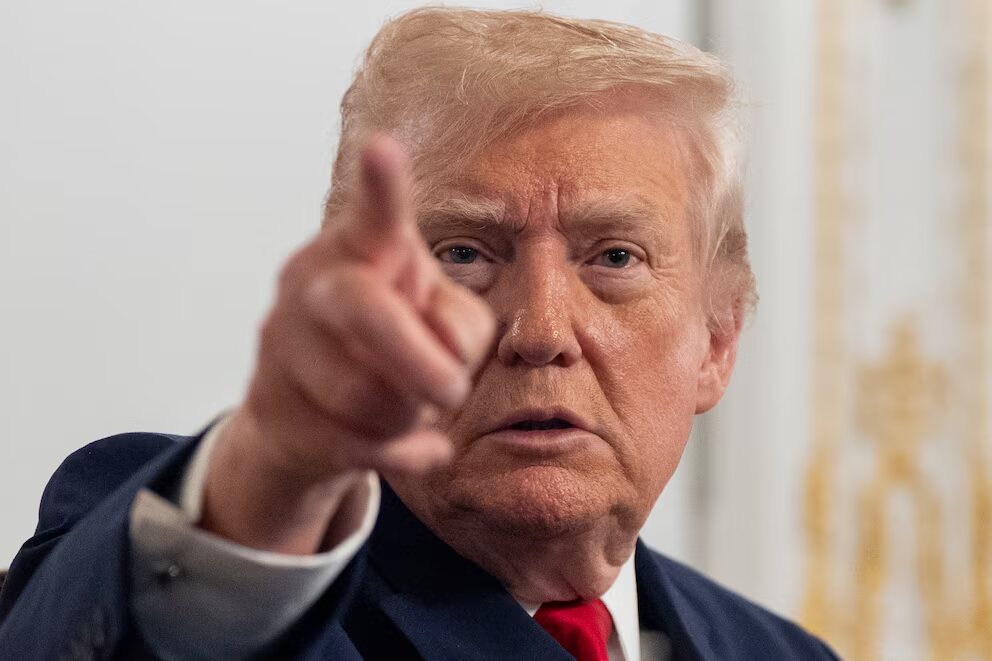
The Venezuelan regime rejected this Saturday the warning from the President of the United States, Donald Trump, who stated that Venezuelan airspace should be considered “completely closed.” Venezuelan authorities described the message as a “colonialist threat” and denounced it as “a hostile and arbitrary act,” amid an escalation of tensions between Washington and the dictatorship of Nicolás Maduro.
Trump issued his warning this Saturday, through the social network Truth, addressing “all airlines, pilots, drug traffickers and human traffickers” to consider that the airspace over Venezuela and its surroundings would remain “completely closed”.
In response, the Chavista regime released an official statement condemning Trump’s declaration, stating that “this type of declaration constitutes a hostile, unilateral, and arbitrary act.” The text, published by Foreign Minister Yvan Gil, emphasized that Venezuela “demands respect for its airspace” and warned that it will not accept “orders, threats, or interference from any foreign power.” Furthermore, the foreign ministry denounced that the US warning represents a “new extravagant, illegal, and unjustified aggression against the people of Venezuela.”
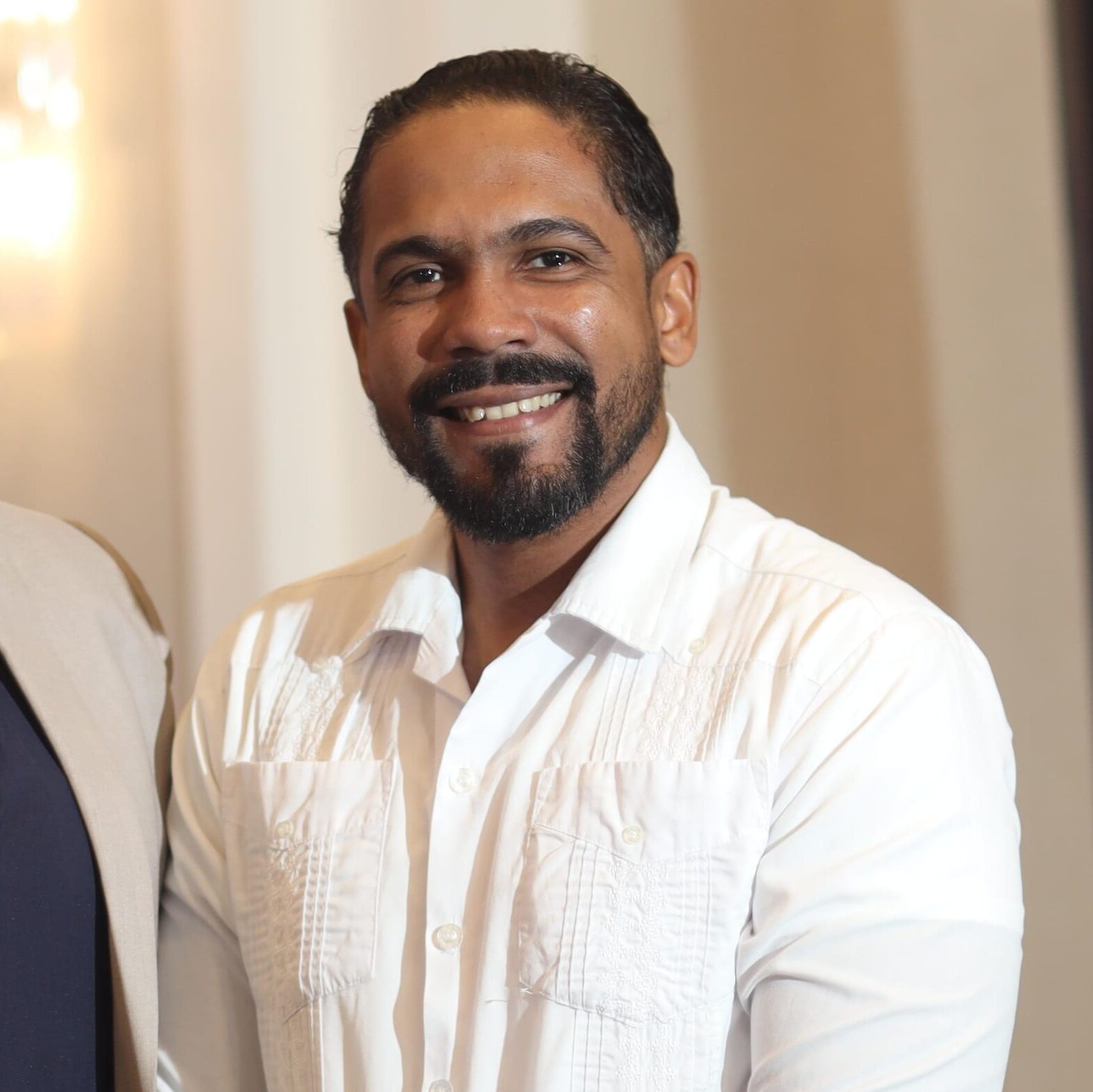
Following Trump’s announcement, the Cuban dictatorship quickly came to the defense of the Chavista regime. Cuban Foreign Minister Bruno Rodríguez reported a “persistent electromagnetic interference in the Caribbean, particularly over Venezuelan airspace,” attributed to the US military deployment in the region. Rodríguez warned that these actions are part of an escalation of military aggression and psychological warfare.

Over the previous weekend, Trump had a phone conversation with Nicolás Maduro, in which he reiterated that the United States would multiply military actions if the Venezuelan dictator does not leave Caracas in the short term. High-ranking U.S. officials also participated in that communication, such as Secretary of State Marco Rubio, which showed the closure of any negotiation path and the demand for the immediate departure of Maduro and his closest circle, including Diosdado Cabello, Vladimir Padrino and the Delcy and Jorge Rodríguez brothers.
In parallel to the warning about airspace, the US administration announced the designation of the Cartel de los Soles as a Foreign Terrorist Organization (FTO). This measure, which implies the inclusion of the group led by Maduro on the list managed by the State Department, grants Washington new legal powers to impose sanctions, freeze assets, and prosecute any person or entity linked to the cartel. Secretary of State Marco Rubio stated that the group “is responsible for terrorist violence throughout the hemisphere” and reiterated that Washington considers Maduro as the leader of the criminal structure. For its part, the Venezuelan regime rejected these accusations and maintained that there is no public evidence linking it to drug trafficking networks. You may be interested in: https://ab.deultimominuto.net/internacionales/trump-advierte-a-maduro/ The designation of the Cartel de los Soles as a terrorist organization reinforces the legal framework already weighing on high-ranking Venezuelan officials for drug trafficking and corruption, and broadens the possibility of more aggressive actions, including selective military operations on infrastructure or assets linked to the cartel outside urban areas. Defense Secretary Pete Hegseth described the decision as a step that provides “a whole range of legal alternatives” for the US administration.