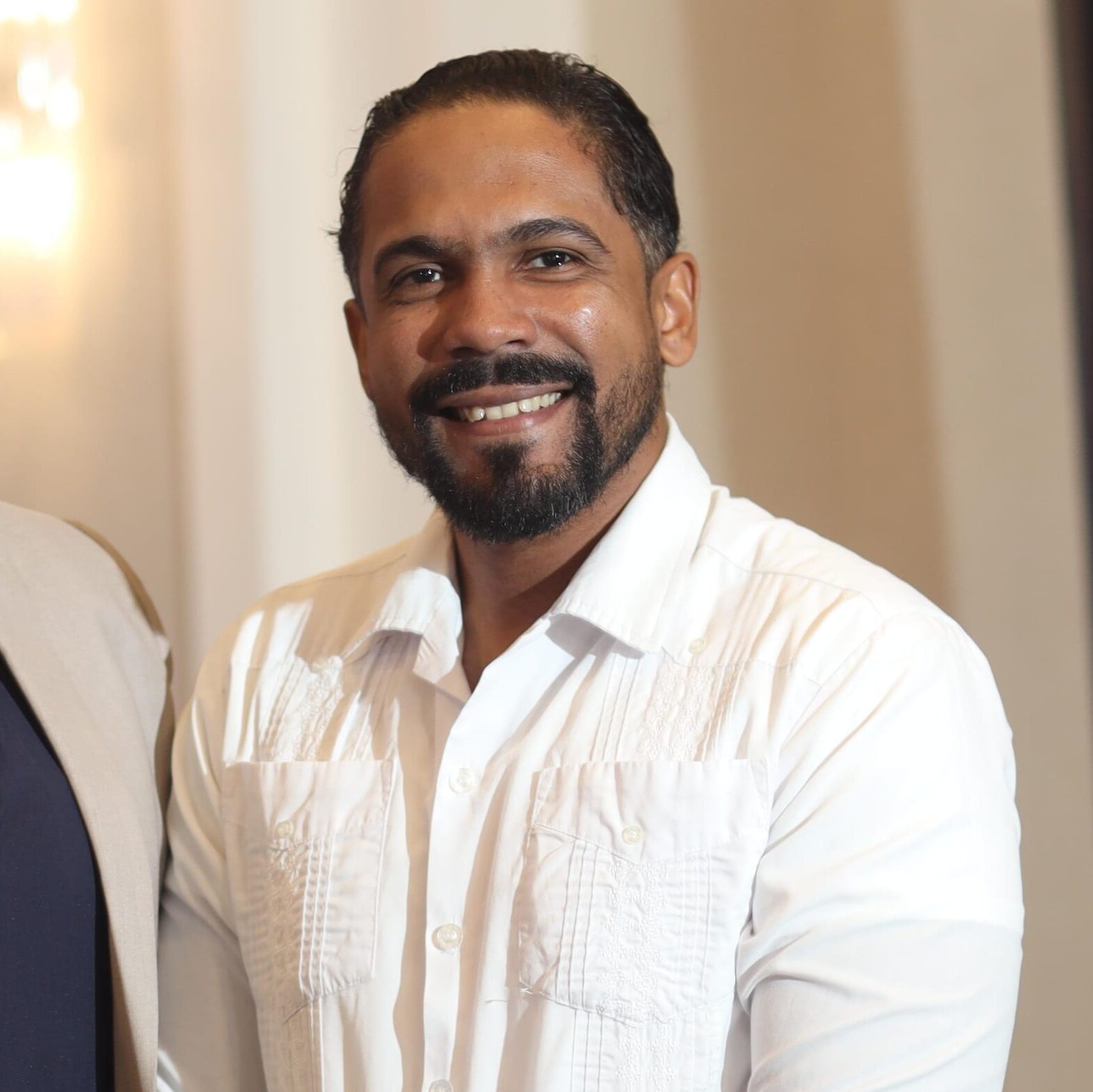
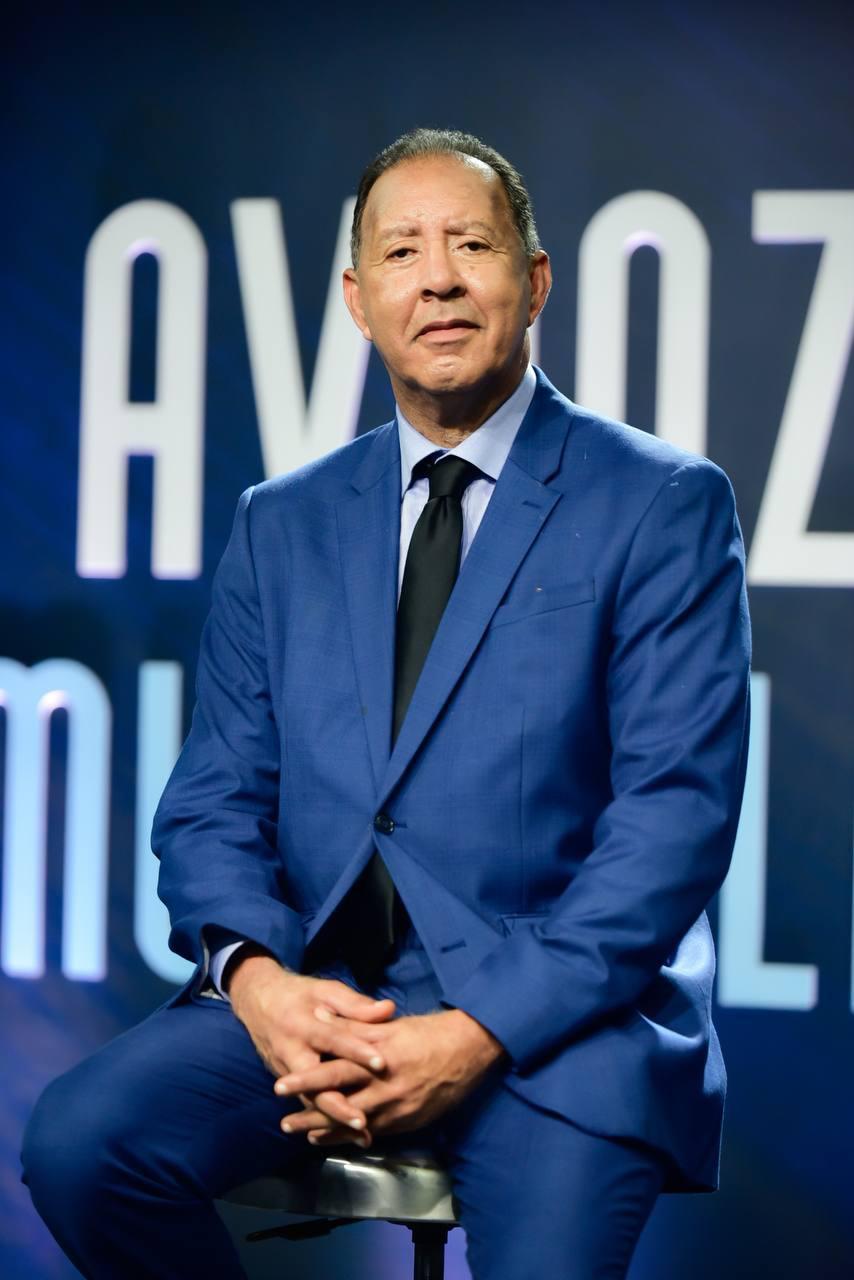
Apostle Johnnie Martinez, director of the Political Pastoral of the Dialogue Table, stated that Sentence 01225/25 of the Constitutional Court cannot be seen as a simple legal act, but as a clear signal about who can participate in the national debate… and who should be left out.
According to what was expressed, the opening of the amicus curiae figure, which should be a democratic mechanism to amplify voices and perspectives, was used selectively: to Human Rights Watch, yes; to the Churches and national institutions, no.
And for him, that was no coincidence. “It wasn’t a mistake; it was a message,” he stated.
Martínez maintained that the amicus curiae exists to enrich the debate, not to close it. He pointed out that Human Rights Watch formally participated in the process, something that – he says – he does not question for their right to express their opinion, but for the inequality of treatment.
He recalled that this organization has been promoting for years causes aligned with the LGBT agenda, such as: opposition to restrictive laws in Uganda, diplomatic pressure in Ghana, accompaniment to decriminalization processes in Belize.
Meanwhile, the following were excluded: Evangelical and Catholic Churches, the Armed Forces, the National Police. For Martínez, that exclusion is not institutional neutrality, but an “evident inclination of the process”.
He asserted that the Constitution guarantees: Art. 45: freedom of worship, Art. 49: freedom of expression and participation, Art. 74.4: equality and reasonableness, Art. 216: right to influence democratic life.
But the Churches, he asserts, were implicitly given a clear message: “You don’t matter.”

Martínez pointed out that his concern is not solely religious or legal. It is a matter of national identity and democratic balance.
When the Churches – “the most numerous social community in the country” – are excluded, he warned, it is not a technicality, but an attempt to culturally redefine the nation.
He announced that in the coming days they will present the case before the U.S. Commission on Religious Freedom, due to the relevance of this issue for the Dominican diaspora.
More Read

He recalled that more than 2.5 million Dominicans live in the U.S., and that any attempt to: alter Christian formation, promote extreme left-wing ideologies, introduce an atheist socialism in schools, or shape the conscience of children, not only impacts the Dominican Republic, but also that community.
He reaffirmed that they are not asking for advantages, but for equality. That they be listened to as others were listened to.
“A democracy that excludes Christian voices is not complete, not fair, and not stable,” he expressed.
He concluded by quoting Proverbs 31:8–9, highlighting that his duty today is to “open his mouth for those who have been silenced.” He concluded:
“Today we open our mouths because an entire sector of the country had them shut.
And we will not stop speaking. Not today, not tomorrow, nor ever.”