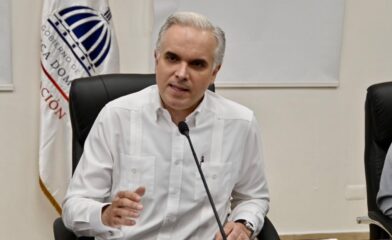
The Assembly of Experts of Iran would have officially designated Mojtaba Khamenei, son of the deceased ayatollah Ali Khamenei, as the new Supreme Leader of the Islamic Republic, according to reports from the opposition media Iran International and other regional media. The formal announcement would be made after the funeral of his father, killed over the weekend in the joint bombings of the United States and Israel. The funeral ceremonies will begin in Tehran and culminate in Mashhad, the deceased leader’s hometown.
Contents
An unprecedented succession in the midst of the war
Although the Iranian political system is not formally hereditary, the election of Mojtaba breaks with the clerical tradition by prioritizing the continuity of the family lineage at the most critical moment for the regime since the 1979 revolution.We recommend reading:Qatar dismantled two spy cells linked to Iran’s Revolutionary Guard
Analysts agree that the designation would have been shielded by the Islamic Revolutionary Guard Corps (IRGC), which sought to ensure a leadership aligned with the hard line and with military response capacity after the attacks that decapitated part of the Iranian political and military leadership. Mojtaba, 56 years old, is a mid-ranking Shia cleric with strong ties to the Revolutionary Guard and the paramilitary group Basij. He never held a formal public office, but in 2019 he was sanctioned by the United States for acting as a representative of his father and collaborating with the Quds Force.Attacks on strategic centers
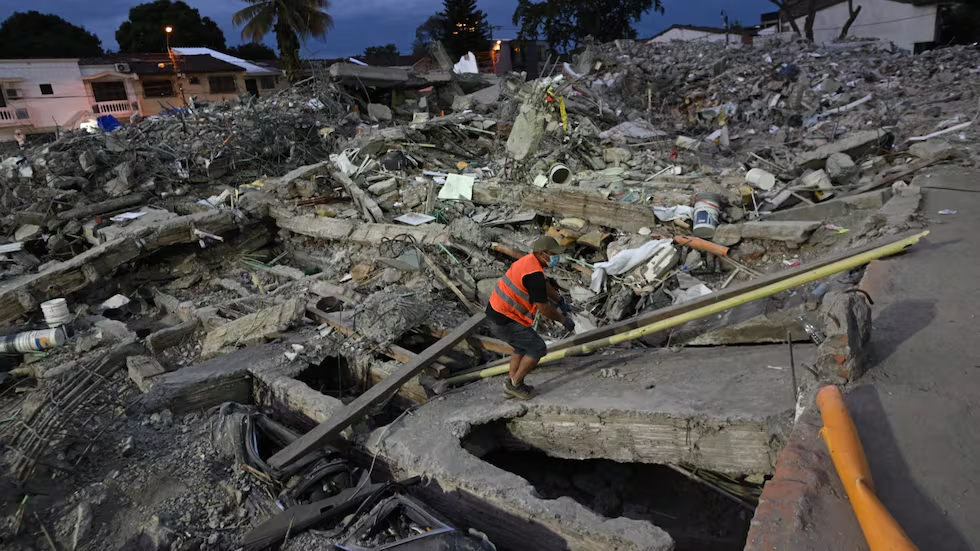
The election takes place in a context of intense bombings on Tehran and Qom. According to Israeli media, the building of the Assembly of Experts in Qom was destroyed in an air strike while its 88 members were deliberating. The Israel Defense Forces also reported that they attacked the central operating complex of the regime in Tehran, including the presidential office and the Supreme National Security Council. Iran responded with air attacks against Israel and US bases in Kuwait, Bahrain, Qatar, Saudi Arabia, and the United Arab Emirates. A Revolutionary Guard general warned that if the bombings continue, Tehran will attack “all economic centers” in the Middle East and threatened to close the Strait of Hormuz, which pushed the price of Brent above $85.Mojtaba’s Immediate Challenges
The new leader assumes office with the country under fire and an economy suffocated by sanctions and destruction of strategic infrastructure. Among its central challenges are:- Coordinate the military response against the U.S. and Israel.
- Avoid internal fractures in the face of questions about a succession perceived as “dynastic.”
- Manage the logistical collapse after the closure of airspace and the destruction of command centers.